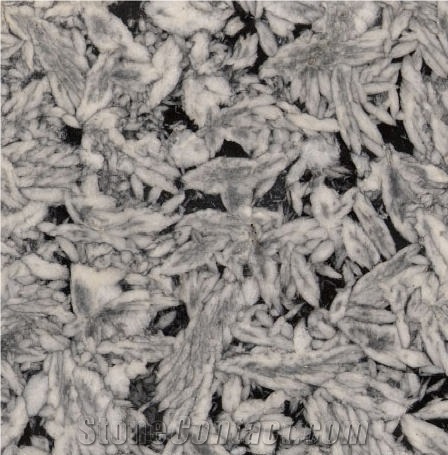
 Austria
 Can Austria's Sunk Pinolith Marble be used exterior applications in hot climates?
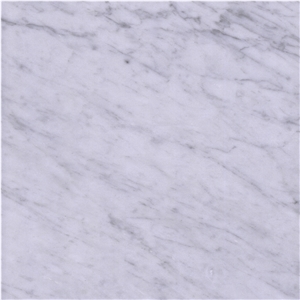
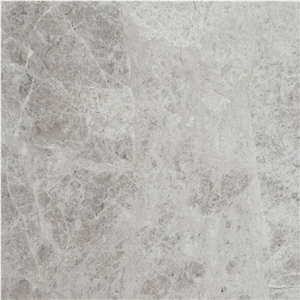
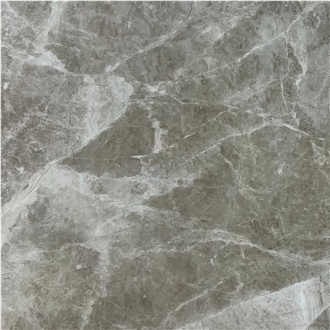
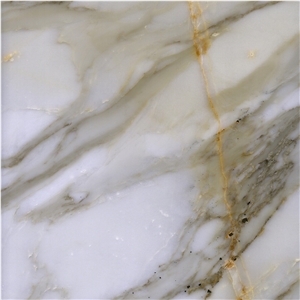
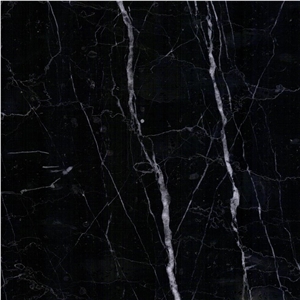
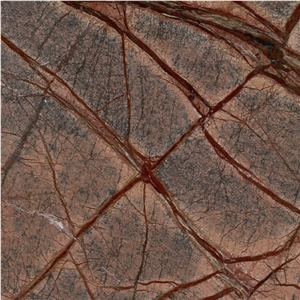
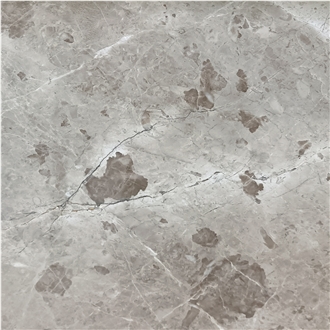
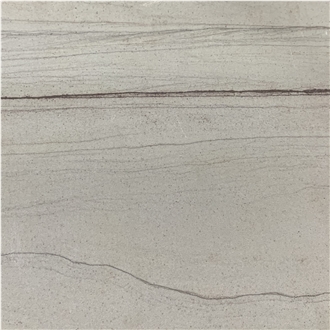
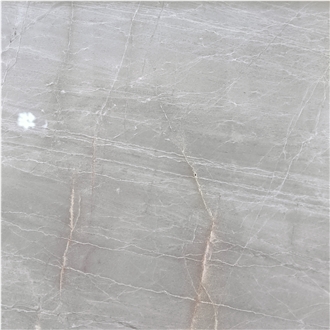
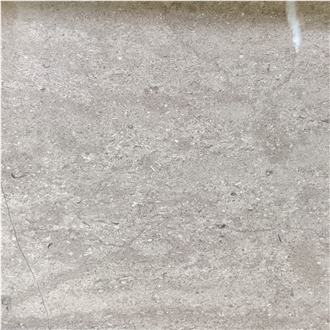
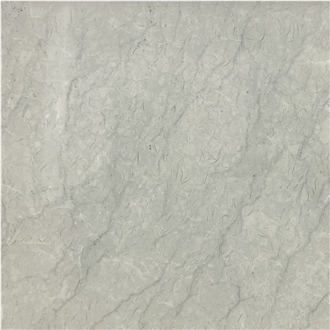
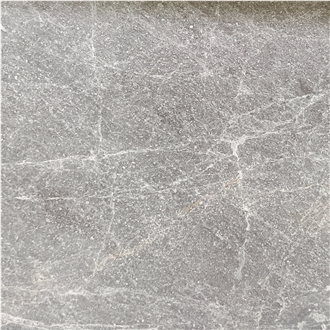
Pinolith marble is a type of marble that is found in Austria, specifically in the region known as the Styrian Erzberg. It is characterized by its unique pattern of white or gray background with black, brown, or grayish spots or eyes.
While pinolith marble is generally suitable for interior applications such as countertops, flooring, or wall cladding, it may not be the best choice for exterior use in hot climates. Marble is a metamorphic rock which is formed by the recrystallization of limestone under high pressure and temperature. It is composed primarily of calcium carbonate and is known for its relatively low heat resistance.
In hot climates, particularly those with intense sunlight and high temperatures, marble can be prone to thermal expansion and contraction, which can lead to cracking, discoloration, and overall deterioration of the stone. This is especially true for dark-colored marbles, like pinolith, which absorb more heat from the sun.
Therefore, it is generally recommended to choose more heat-resistant and durable materials, such as granite or certain types of engineered stones, for exterior applications in hot climates. These materials have better resistance to thermal stress and are less likely to suffer damage from sun exposure and high temperatures.
If you still wish to use pinolith marble for exterior applications in a hot climate, it is essential to ensure proper installation and maintenance. This includes sealing the stone to minimize water absorption and applying a protective coating or finish to help mitigate the effects of heat and sunlight. Regular cleaning and maintenance should also be performed to keep the marble in its best condition.
It is advisable to consult with a professional stone supplier or contractor to assess the specific conditions of your project and obtain their expert advice on the suitability of pinolith marble for exterior use in a hot climate.