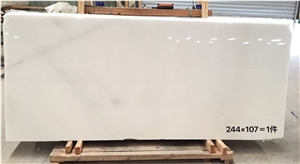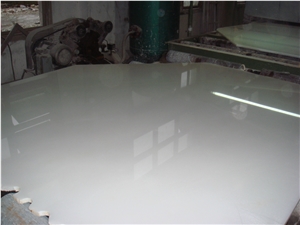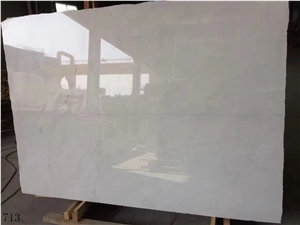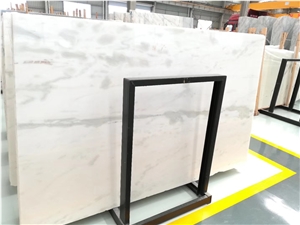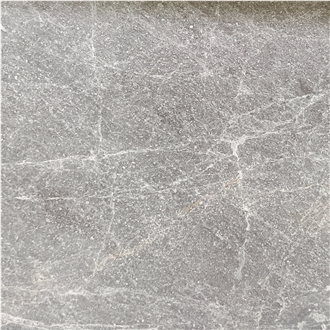
 Greece
 Why not to use marble for kitchen countertops?
There are a few reasons why marble may not be the best choice for kitchen countertops:
1. Porous Nature: Marble is a porous stone, which means it has small holes and gaps in its structure. This makes it susceptible to various types of staining, especially from acidic substances like lemon juice, wine, or vinegar. Even with regular sealing, marble can still be prone to stains and etching, requiring high maintenance.
2. Scratching and Etching: Marble is a relatively soft stone, and as a result, it is susceptible to scratching and etching from sharp objects or acidic spills. Cutting directly on marble countertops can leave permanent marks and dull its surface.
3. Vulnerability to Heat: Marble is not as heat-resistant as other countertop materials like granite or quartz. Placing hot pans or pots directly on marble countertops can cause them to crack or discolor, leaving permanent damage.
4. Cost: Marble tends to be more expensive compared to other countertop materials, such as quartz or laminate. The high cost, coupled with its various maintenance requirements, may not make it a practical choice for many homeowners.
5. Durability: While marble is a beautiful material, it is not as durable as some other options. It can chip or crack more easily than harder stones like granite, and it may not withstand heavy daily use in a kitchen environment as well.
Its important to consider these factors and assess your lifestyle and needs before deciding on marble for kitchen countertops.