Post Your Needs

Statuary Marble

About

Material Type:
Marble
Origin:
Italy (Provincia di Massa Carrara, Toscana)
Primary Color(s):
White
Recommended Usage:
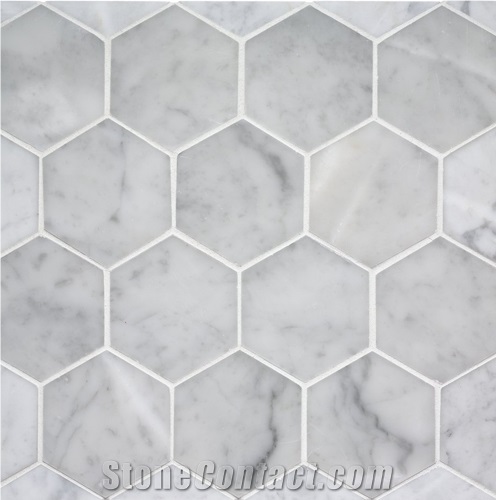
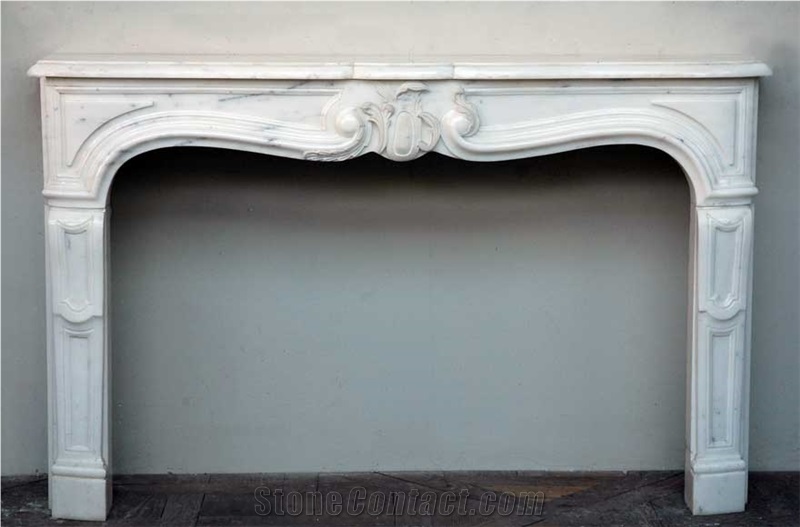
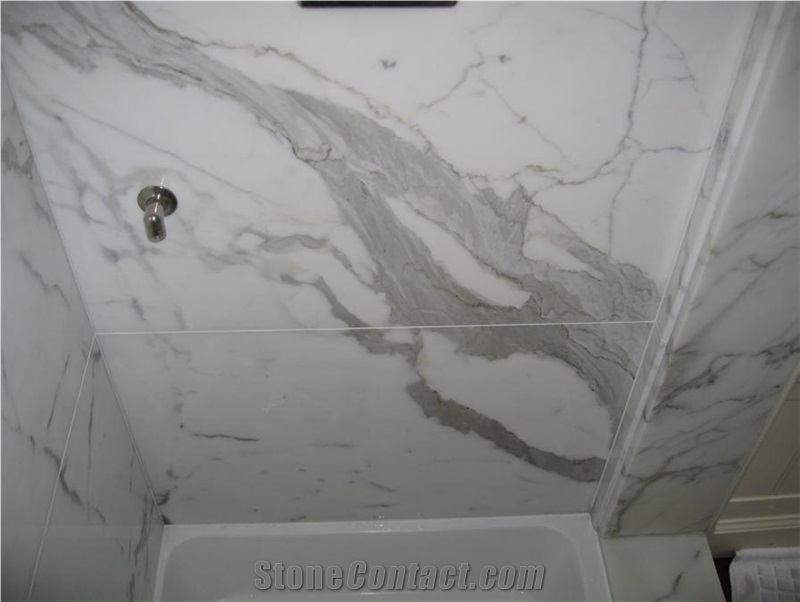
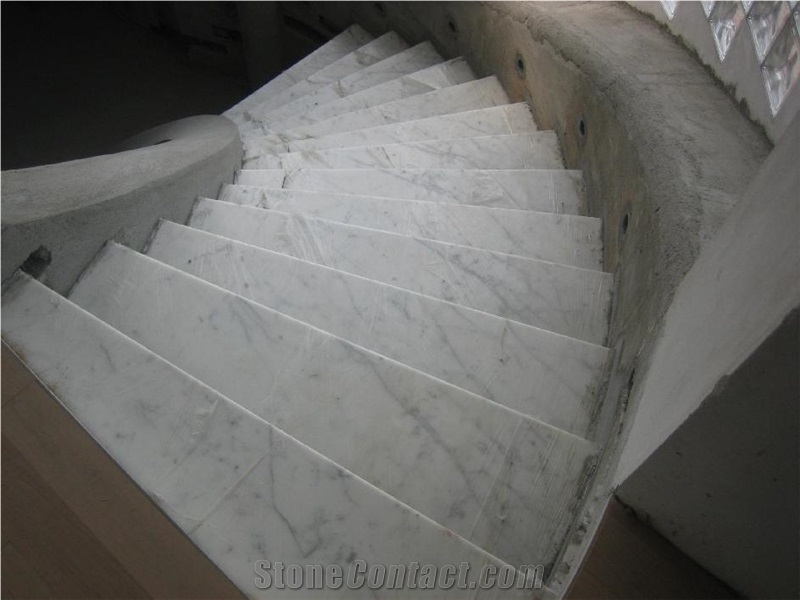
Kitchen and bathroom countertops, monuments, building stone, ornamental stone, stairs, interior, exterior wall and floor applications, mosaic, waterjet pattern, balustrades, fireplaces surround, columns, wall panels, table tops
Additional Names:
Bianco Statuario Marble, Carrara Statuary Marble, Bianco Carrara Statuario Marble, Blanco Statuario Marble, Carrara Statuario Marble, Statuario Marmi, Marmi Bianco Statuario, Marmi Bianco Tipo Statuario, Statuary White Marble, Statutario Marble, Statuario Extra Marble, White Statuario Marble, in China stone market:雪花白(Xuěhuā bái), 中花白(Zhōng Huābái), Statuary Marble
Finished Surface:
Polished,Bush Hammered,Tumbled,Brushed,Honed,Split,Machine Cut,Natural Surface,Sandblasted,Acid Washing,Combed,Leathered,Water Jet,Filled,Chiseled,Pickling

Testing

Water Absorption:
0.19 by weight%
Density:
2665 kg/m3
Flexural Strength:
11.0 MPa
Compressive Strength:
115.0 MPa

Description

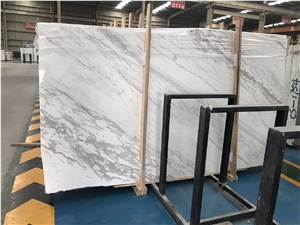
Statuary Marble, also known as Statuario Marble, is a high-quality and prestigious natural stone quarried in Italy. It is one of the most sought-after types of marble in the world, known for its timeless beauty and elegance. Here's a detailed description of Statuary Marble:

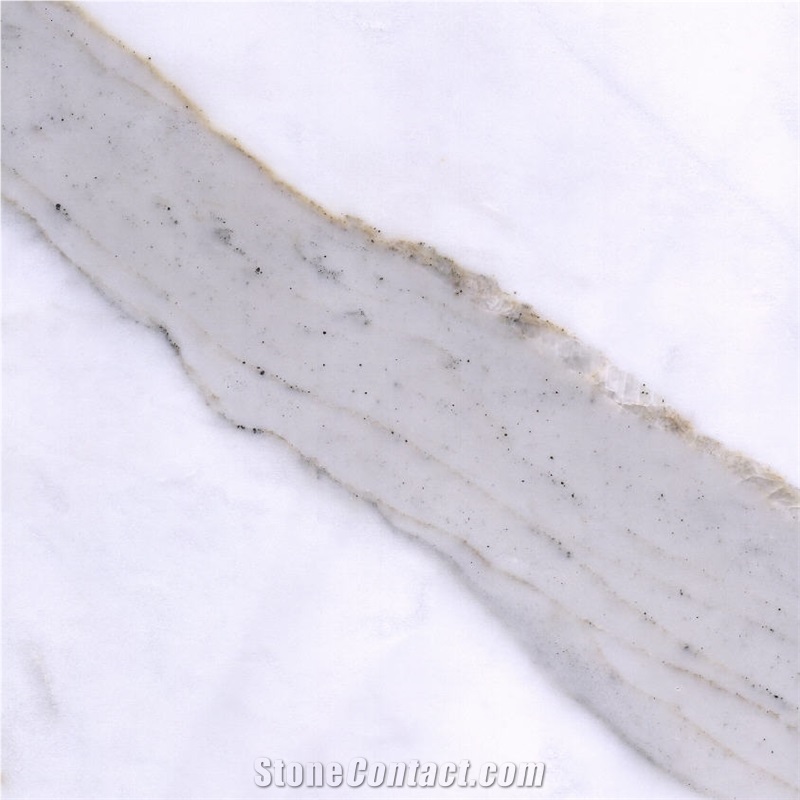
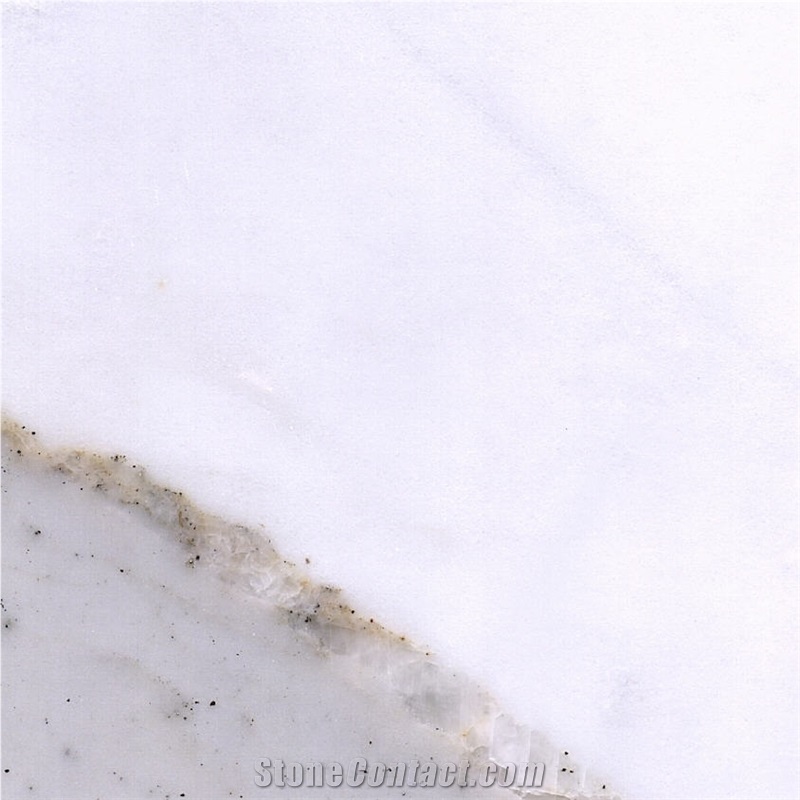
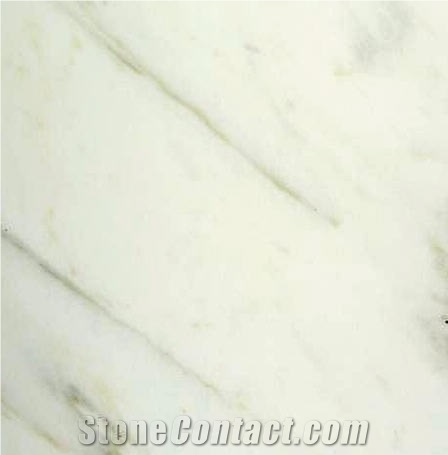
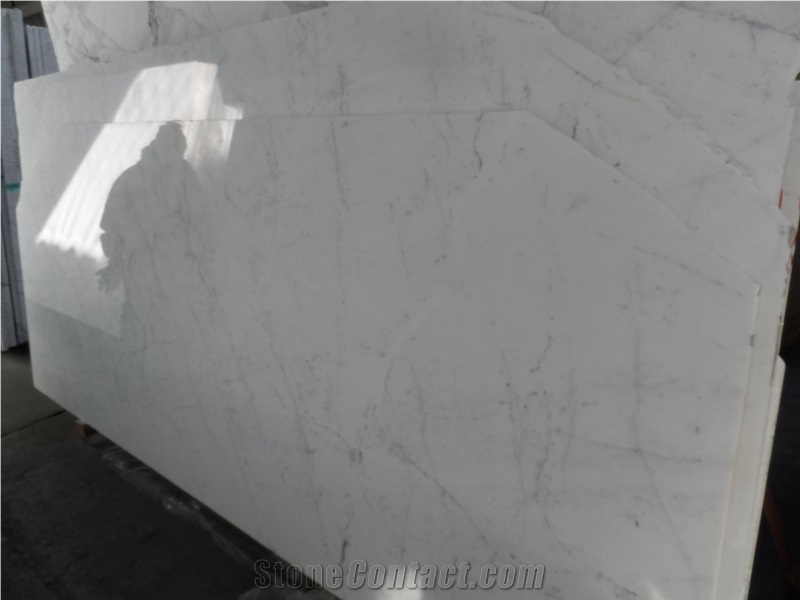
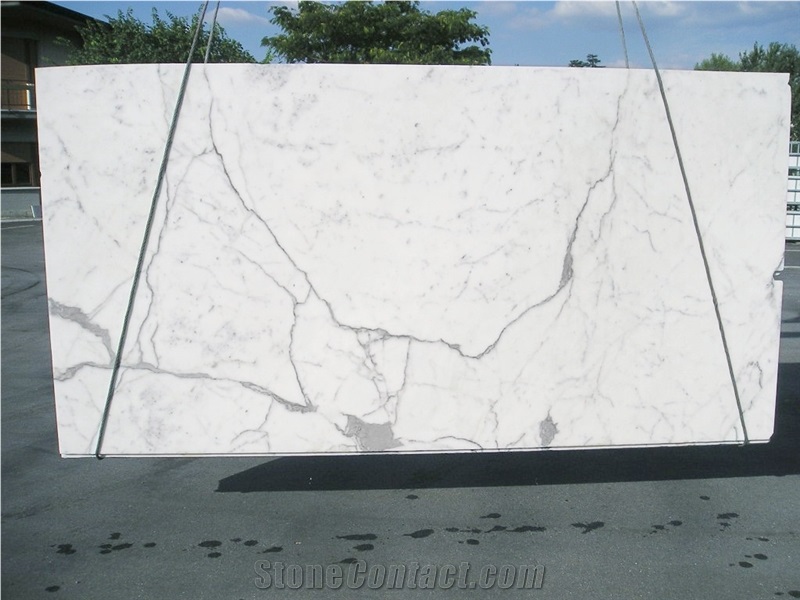
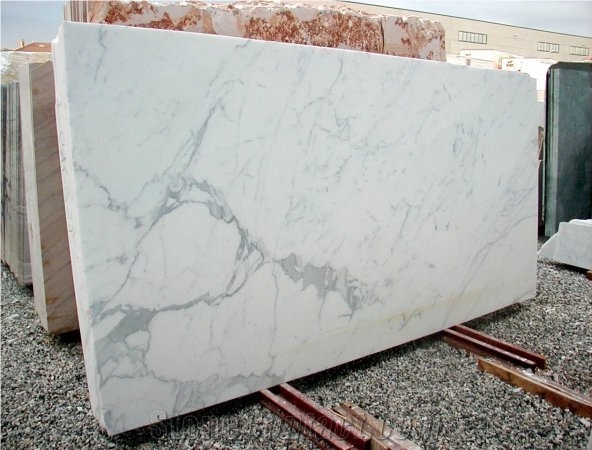
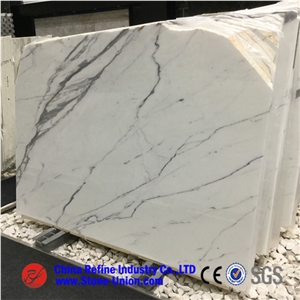
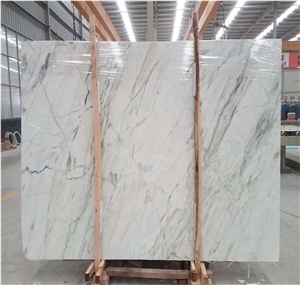
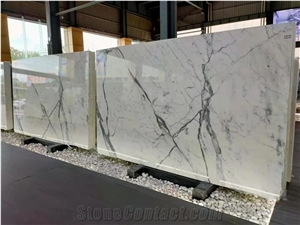
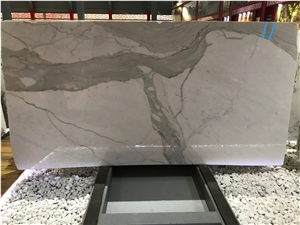
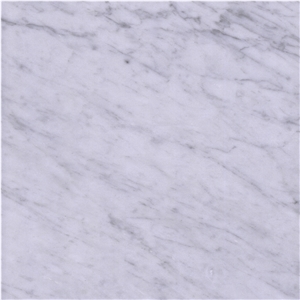
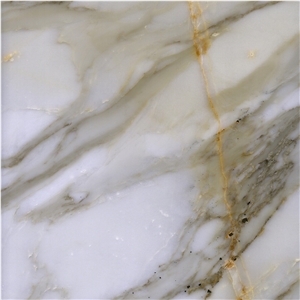
Appearance:Statuary Marble is characterized by its pure white background, which forms the base of the stone. The white color is clean and consistent, creating a bright and luxurious ambiance in any space. Unlike many other types of marble, Statuary Marble has minimal veining, giving it a stunning, almost solid-white appearance.

Texture:This marble has a smooth and polished surface, which enhances its natural luster and adds to its sophisticated appeal. The stone's fine-grained texture and dense composition contribute to its high quality and desirability.

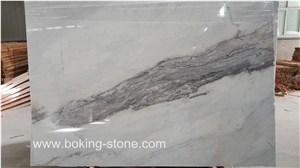
Veining:While Statuary Marble is known for its minimal veining, it may occasionally feature thin, delicate, and subtle grey or gold veining. These veins are typically sparse and create an exquisite contrast against the pristine white background. The minimal veining ensures that the stone remains mostly white, making it a popular choice for contemporary and classic design projects.

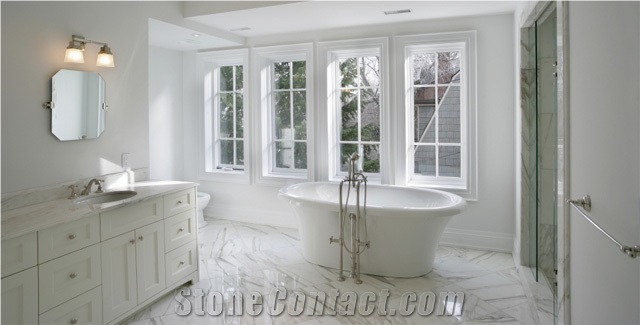
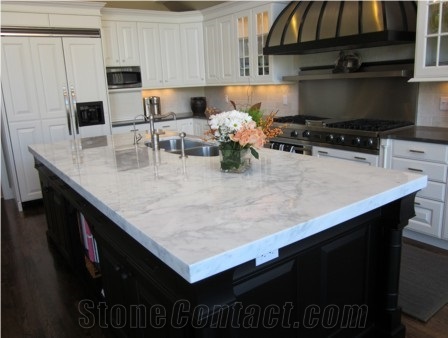
Applications:Due to its pure white color and timeless beauty, Statuary Marble is highly coveted for a variety of luxury interior applications. It is commonly used for kitchen countertops, bathroom vanity tops, flooring, wall cladding, fireplace surrounds, and decorative accents. It is a popular choice for prestigious residential and commercial projects where an elegant and sophisticated atmosphere is desired.

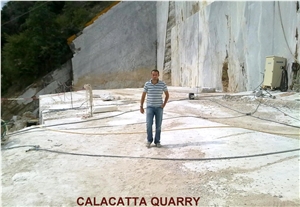
Origin:As the name suggests, Statuary Marble is quarried in Italy, a country renowned for its rich history of marble production and artistry. The quarries in Carrara, Italy, are particularly famous for producing some of the world's finest Statuary Marble.

Prestige:Statuary Marble has been revered for centuries for its use in iconic sculptures, architectural masterpieces, and historical monuments. Its association with art, luxury, and prestige adds to its desirability and makes it a symbol of elegance and refinement.

Versatility:Despite its predominantly white appearance, Statuary Marble can complement various design styles. It works well in both classic and contemporary interiors, providing a sophisticated and timeless look.

Durability:Like other marble varieties, Statuary Marble is a durable natural stone. While it requires proper sealing and care, when maintained correctly, it can last for generations, retaining its beauty and value.

When considering Statuary Marble for your project, it's essential to view samples in person to appreciate its unique beauty and select the specific slabs that best match your design vision. As with all natural stones, variations in color and veining can occur, so careful selection ensures the stone meets your expectations.

Petrographic definition: marble 
Massa Unit Volume: 2665 Kg/m3 
Water Absorption: 0.19% 
Simple Compression Breaking Load: 115 MPa 
Compression breaking load after freezing: 108 MPa 
Tangent Modulus of elasticity: 54,200 MPa 
Indirect Tensile Strength by Flexing: 11.0 MPa 
Coefficient of relative Abrasion (referred to Granite St. Fedelino): 0.33 
Impact resistance: minimum fall height: 61 cm 
Coefficient of linear thermal expansion: 2.7 x 10⁻⁵ 0C-1 
Knoop microhardness: 1 226 MPa 
Index of non-uniformity of hardness: 1.31 
Source: University of Pisa - Politecnico di Torino

FAQ

Is Statuary Marble backsplash the same thickness as countertop?

Statuary Marble backsplash is typically not the same thickness as the countertop. Backsplash tiles are usually thinner than countertop slabs to make them easier to install and ensure a clean transition between the two surfaces. However, the exact thickness of the Statuary Marble backsplash will depend on the specific product and installation method being used.
Read question details

Can Statuary Marble countertop be scratched with a knife?

Statuary Marble is a type of marble that is known for its durability and resistance to scratches. However, like all types of marble, it is not completely scratch-proof. While Statuary Marble countertops are less likely to be scratched by a knife compared to softer materials like soapstone or limestone, it is still possible to scratch them with enough force. It is always best to use a cutting board or other protective surface when cutting or chopping on marble countertops to prevent scratching.
Read question details

Do I need a special blade to cut 3cm thick Statuary Marble tile?

Yes, you will need a diamond tipped blade specifically designed for cutting marble in order to effectively cut 3cm thick Statuary Marble tile. Diamond blades are known for their durability and ability to cut through hard materials like marble with precision. Using the right blade will ensure a clean and smooth cut without damaging the tile.
Read question details

How can I clean the grout of Statuary Marble floor tiles?

Cleaning the grout of Statuary Marble floor tiles can be done with the following steps: 1. Start by sweeping or vacuuming the floor to remove any loose dirt and debris. 2. Mix a solution of warm water and a mild detergent or grout cleaner. Make sure to follow the manufacturers instructions on the cleaning product. 3. Using a grout brush or an old toothbrush, apply the cleaning solution to the grout lines. Scrub the grout in a circular motion to help loosen any dirt or grime. 4. Let the cleaning solution sit on the grout for a few minutes to allow it to penetrate and break down any stubborn stains. 5. Rinse the grout lines thoroughly with clean water to remove the cleaning solution. 6. Dry the grout lines with a clean cloth or towel to prevent water spots or streaks from forming. 7. If there are still stubborn stains or areas of discoloration, you can try using a paste of baking soda and water to scrub the grout lines. Let the paste sit for a few minutes before rinsing it off with water. 8. For tough stains or heavily soiled grout, you may need to use a commercial grout sealer to protect and seal the grout lines after cleaning. Remember to check the manufacturers recommendations for cleaning and maintenance to ensure the best results for your Statuary Marble floor tiles.
Read question details

Are brushed finish Statuary Marble floor tiles easily stained?

Statuary Marble floor tiles with a brushed finish are more prone to staining compared to other types of finishes. The brushed finish leaves the surface more porous and textured, making it more susceptible to absorbing liquids and stains. It is important to seal the tiles properly to help protect against staining. Regular cleaning and maintenance can also help prevent and minimize stains on brushed finish Statuary Marble floor tiles.
Read question details

Is glossy polished Statuary Marble good for bathroom floors?

Yes, glossy polished Statuary Marble is a popular choice for bathroom floors due to its elegant appearance and durability. The shiny surface can create a luxurious and spa-like feel in the bathroom, and the marble is resistant to moisture, making it a practical choice for a high-moisture environment like a bathroom. Just be aware that the polished surface can be slippery when wet, so it is important to take precautions to prevent slips and falls.
Read question details

What is the best way to clean Statuary Marble mosaic tiles?

The best way to clean Statuary Marble mosaic tiles is to first sweep or vacuum any loose dirt and debris from the surface. Then, mix a small amount of mild soap with warm water and use a soft cloth or mop to gently clean the tiles. Avoid using harsh chemicals or abrasive cleaners as they can damage the marble. To remove stubborn stains, make a paste of baking soda and water and apply it to the affected area, letting it sit for a few minutes before wiping clean. Finally, rinse the tiles with clean water and dry them thoroughly to prevent water spots and streaks. Regular maintenance and cleaning will help keep your Statuary Marble mosaic tiles looking beautiful for years to come.
Read question details

Can Italy's Statuary Marble be used in landscaping?

Yes, Italys Statuary Marble can be used in landscaping. This type of marble is known for its high quality and distinctive white color with minimal veining, making it an excellent choice for adding a touch of elegance and sophistication to outdoor spaces. It can be used for various landscaping applications such as creating beautiful pathways, garden borders, accent pieces, sculptures, or even outdoor furniture. The smooth and polished surface of Statuary Marble also adds a luxurious and timeless aesthetic to any landscape design.
Read question details

I want to sculpt Statuary Marble with CNC milling and carving tools. What size do you recommend?

The size of CNC milling and carving tools for sculpting Statuary Marble can vary depending on your specific requirements and the complexity of the sculptures you intend to create. Generally, a range of tool sizes is beneficial to accommodate various intricacies and details in the marble sculptures. Here are some recommended tool sizes: 1. Small tools: It is advisable to have small milling and carving tools with diameters ranging from 1 to 3 millimeters (or 0.04 to 0.12 inches). These tools can be used for fine details and intricate designs, helping you achieve precise and delicate carvings. 2. Medium tools: Tools with diameters between 4 to 8 millimeters (or 0.16 to 0.31 inches) are suitable for general carving and roughing out larger sections. These tools strike a balance between intricate details and efficient material removal. 3. Large tools: For faster material removal and roughing out larger areas, larger milling and carving tools with diameters of 10 to 25 millimeters (or 0.39 to 0.98 inches) can be used. These larger tools are ideal for initial roughing and shaping before moving to smaller tools for more precise detailing. Having a versatile range of tool sizes allows you to adapt to different parts of your sculpture, ensuring efficiency and accuracy throughout the process. Consider starting with a few tools from each size category and adjust your collection based on your specific needs and the scale of your sculptures.
Read question details

Which is the best durable white marble?

Carrara marble is considered one of the best and most durable white marbles available. It is a high-quality marble that is known for its strength, durability, and classic white appearance. Other durable white marbles include Calacatta marble, Statuario marble, and Thassos marble. Ultimately, the best choice will depend on individual preferences and specific project requirements.
Read question details

Products & Prices

Hot Marble

New Marble

Post Your Request

The request includes:
  1. surface finished, size
  2. quantity required