Post Your Needs

Rosa Beta Granite

Pink - Granite

Italy

About

Item Details

Material Type:
Granite
Origin:
Italy (Arzachena, Luogosanto, Monte Limbara, Provincia di Olbia-Tempio, Pausania, Sassari, Sardegna)
Primary Color(s):
Pink
Recommended Usage:
Kitchen and bathroom countertops, monuments, building stone, ornamental stone, stairs, interior, exterior wall and floor applications, mosaic, waterjet pattern, wall panels, table tops, window sills, balustrades, columns, wall and pool copings, pool pavers, sculptures, fireplaces, cobbles, pavers, curbstone
Additional Names:
Rosa Beta, Beta Rosa Granite, Rosa Sardegna Beta Granite, Rosa Sardo Beta Granite, Rose Beta Granite, Rossa Beta Granite, Rosa Beta Granite, Rosa Limbara Granite, Rosa Beta Granite, Rosa Beta Granite
Finished Surface:
Polished,Flamed,Bush Hammered,Tumbled,Brushed,Honed,Split,Machine Cut,Natural Surface,Sandblasted,Acid Washing,Combed,Leathered,Water Jet,Filled,Chiseled,Pickling

Testing

Water Absorption:
0.26 By weight %
Density:
2630 - 2650 kg/m³
Flexural Strength:
13.4 - 15.0 MPa
Compressive Strength:
153.3 - 191.5 MPa

Description

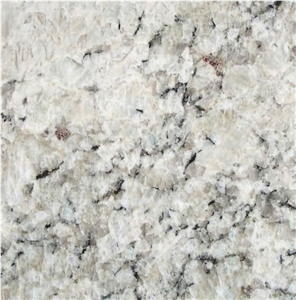
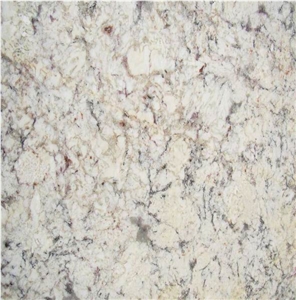
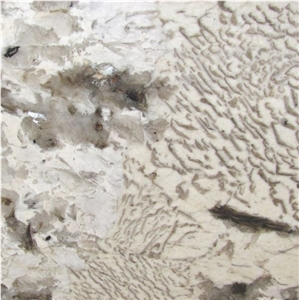
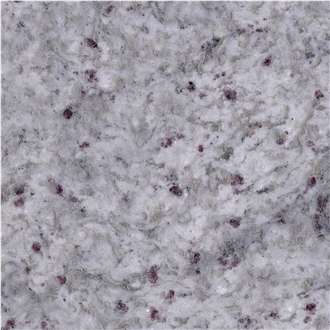
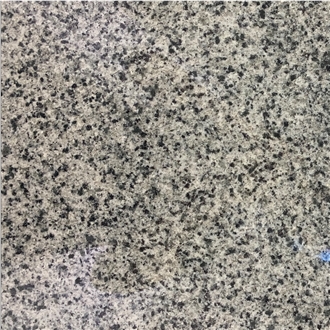
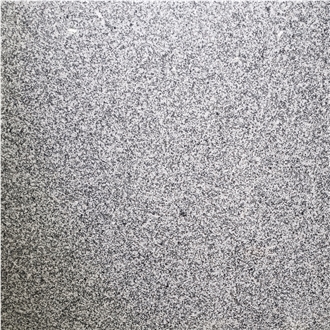
Rosa Beta Granite is a distinctive natural stone that originates from Italy. It is highly regarded for its unique blend of colors, which combines various shades of pink, red, and gray. This granite variety is renowned for its exquisite appearance and is often sought after for its striking and vibrant aesthetic.

The primary characteristic of Rosa Beta Granite is its pink and reddish color palette. The stone features a range of pink tones, from soft pastel hues to deeper shades, along with subtle streaks of red and gray. The interplay of these colors creates a captivating and dynamic visual effect that adds warmth and character to any space.

Rosa Beta Granite typically exhibits a coarse-grained texture, giving it a distinctive and pronounced appearance. The grains vary in size, with some being more prominent than others. This texture enhances the stone's natural beauty and adds a sense of depth and dimension to its overall look.

One of the notable features of Rosa Beta Granite is its versatility in design applications. It is commonly used for both interior and exterior projects. As a durable natural stone, it is suitable for countertops, flooring, wall cladding, and various other architectural and decorative elements.

In terms of maintenance, Rosa Beta Granite is relatively easy to care for. Regular cleaning with mild soap and water is typically sufficient to keep the surface clean and maintain its luster. It is advisable to seal the granite periodically to enhance its stain resistance and protect it from potential damage.

Rosa Beta Granite from Italy represents the country's rich heritage in natural stone production. Its vibrant pink and red tones, combined with its coarse-grained texture, make it an exquisite choice for those seeking a bold and unique statement in their interior or exterior design projects. Whether used in residential or commercial spaces, Rosa Beta Granite adds a touch of elegance and timeless beauty.

FAQ

What is the best thickness for Rosa Beta Granite bar countertops?

The best thickness for Rosa Beta Granite bar countertops can depend on various factors such as personal preference, design aesthetics, and budget. However, the most commonly recommended thickness for granite countertops, including bar countertops, is 2 centimeters (3/4 inch) or 3 centimeters (1 1/4 inch). A 2-centimeter thickness is generally suitable for most applications and can result in a sleek and contemporary look. It is also lighter in weight, making it easier to handle and install. However, it may require additional support or plywood backing to prevent any flexing. On the other hand, a 3-centimeter thickness provides a more substantial and luxurious appearance. It is more durable and less likely to crack or chip, and it doesnt need extra support underneath. However, it is heavier and might require professional installation. Ultimately, it is recommended to consult with a countertop specialist or professional installer to determine the best thickness for your specific needs and requirements.
Read question details

How long does a Rosa Beta Granite sink last?

A Rosa Beta Granite sink can last for many years with proper care and maintenance. The durability of the sink largely depends on the quality of the granite used and how well it is maintained. With regular cleaning and sealing, a Rosa Beta Granite sink can last for decades without much wear or damage. However, it is important to note that the lifespan of any sink can be affected by factors such as heavy use, improper installation, and harsh cleaning chemicals.
Read question details

Do Rosa Beta Granite sinks crack easily?

Rosa Beta Granite is known for its strength and durability. However, like any natural stone, it is not completely immune to cracking. It is possible for a Rosa Beta Granite sink to crack if subjected to excessive force or pressure. It is important to handle and maintain the sink properly to minimize the risk of cracking.
Read question details

Which sink is better Rosa Beta Granite or stainless steel for kitchen?

Both Rosa Beta Granite and stainless steel sinks have their own advantages and it ultimately depends on personal preference and specific needs. Rosa Beta Granite sinks are known for their durability and natural beauty. They are resistant to scratches, stains, and heat, making them a good option for a busy kitchen. They also come in various colors and patterns, allowing for customization to match your kitchens aesthetic. However, they can be more expensive than stainless steel sinks and may require periodic sealing to maintain their appearance. Stainless steel sinks are popular for their sleek and modern look. They are affordable, easy to clean, and resistant to most stains and heat. Additionally, stainless steel sinks are lightweight and often come with noise-reducing features like sound absorption pads. However, they can be prone to scratching and water spots, and some lower quality stainless steel sinks may be more susceptible to denting. In summary, if you are looking for a durable and visually appealing sink with a variety of design options, Rosa Beta Granite could be a good choice. On the other hand, if affordability, easy maintenance, and a modern aesthetic are your priorities, stainless steel sinks may be a better fit.
Read question details

What is the disadvantage of Rosa Beta Granite sink?

One potential disadvantage of Rosa Beta Granite sink is that it can be quite expensive compared to other types of sinks. The material and manufacturing process for granite sinks can drive up the overall cost, making it less affordable for some individuals or homeowners on a tight budget. Additionally, granite sinks may require regular maintenance to keep them looking their best. They can be prone to stains and may require sealing to prevent absorption of liquids and oils. Without proper care and maintenance, the sink may become discolored or dull over time.
Read question details

Should I do undermount sink with Rosa Beta Granite?

Choosing a sink for your Rosa Beta Granite depends on your personal preference and the overall design of your space. However, an undermount sink can be a great choice for this type of granite. An undermount sink is installed underneath the countertop, creating a seamless and sleek look. This style allows more of the beautiful Rosa Beta Granite to be visible, making it the focal point of your kitchen or bathroom. Additionally, the lack of a visible rim or edges can also make cleaning easier, as there are no crevices for dirt and grime to accumulate. That being said, its important to consider the practicality of an undermount sink. Undermount sinks require proper installation and a strong countertop material to support the weight of the sink. Rosa Beta Granite is a durable material, but you should ensure that your countertop can handle the weight and that it is installed correctly to prevent any issues later on. Ultimately, the decision to go with an undermount sink or another style is up to your personal taste and the overall design vision you have for your space. It may be helpful to consult with a countertop or kitchen/bathroom design professional to get their input and advice based on your specific needs and preferences.
Read question details

Is Rosa Beta Granite good for a bathroom vanity top?

Yes, Rosa Beta Granite can be a great choice for a bathroom vanity top. It has a beautiful pinkish hue with white and grey veining, which can add a touch of elegance and sophistication to your bathroom. Furthermore, granite is a durable and stain-resistant material, making it suitable for use in high-moisture areas like bathrooms. It is also easy to clean and maintain, making it a practical and long-lasting option for your vanity top.
Read question details

What are the different types of Rosa Beta Granite curbs?

There are several different types of Rosa Beta Granite curbs, which include: 1. Straight Curbs: These are the most common type of curbs, which have a straight and linear design. They are typically installed to create boundaries between sidewalks and roadways or to define parking areas. 2. Radius Curbs: These curbs have a curved or rounded shape, allowing for smoother traffic flow around corners or curved sections of roadways. They are often used in areas with frequent turning movements, such as intersections or roundabouts. 3. Slanted Curbs: Also known as sloped or angled curbs, these curbs have a slanted design. They are typically installed to improve pedestrian access or accommodate wheelchair users by providing a seamless transition between the sidewalk and the roadway. 4. Decorative Curbs: These curbs are designed to enhance the aesthetic appeal of an area. They can include intricate patterns, textures, or unique shapes. Decorative curbs are commonly used in historical districts, parks, or high-end commercial areas to create a visually appealing streetscape. 5. Mountable Curbs: These curbs have a lower height and a more gradual slope, allowing vehicles to easily drive onto or off them. Mountable curbs are often used in areas where occasional vehicular access onto sidewalks or pedestrian areas is needed, such as driveways or loading zones. 6. Barrier Curbs: These are taller and more robust curbs designed to provide a physical barrier between the roadway and pedestrian areas. They are commonly used in high pedestrian traffic zones, such as busy urban areas or areas with heavy foot traffic near schools or hospitals. Its important to note that the availability and specifications of Rosa Beta Granite curbs may vary depending on the supplier or manufacturer.
Read question details

How much does Rosa Beta Granite kerbstone weight per meter?

The weight of Rosa Beta Granite kerbstone per meter can vary depending on the thickness and dimensions of the kerbstone. On average, it weighs around 140-150 kilograms per meter. However, it is recommended to confirm the weight with the supplier or manufacturer as it may vary.
Read question details

How standard thick is a Rosa Beta Granite curbstone?

The standard thickness of a Rosa Beta Granite curbstone is typically around 6 inches (15.24 cm). However, it is important to note that the actual thickness may vary slightly depending on manufacturer and specific project requirements. It is recommended to consult with a supplier or contractor for exact measurements and specifications.
Read question details

Products & Prices

View More

Hot Granite

New Granite

Post Your Request

The request includes:
  1. surface finished, size
  2. quantity required