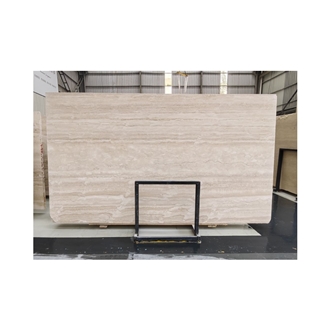
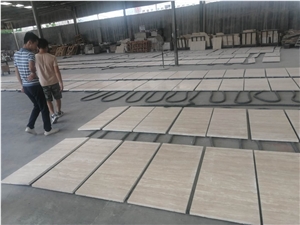
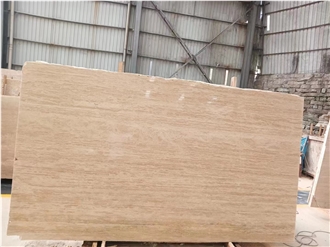
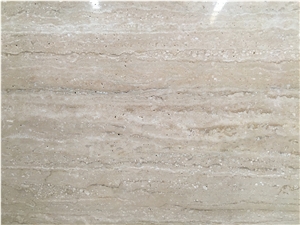
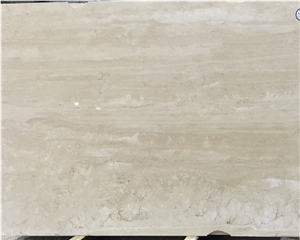
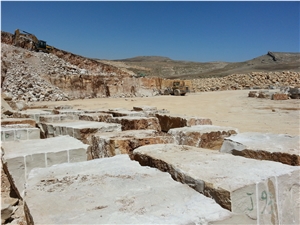
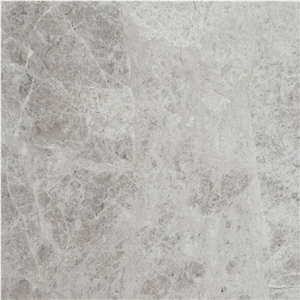
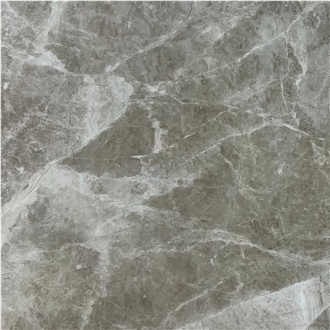
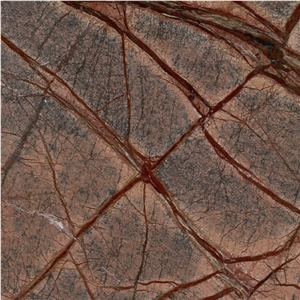
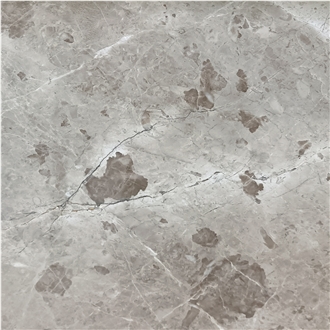
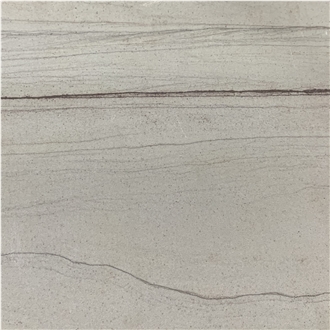
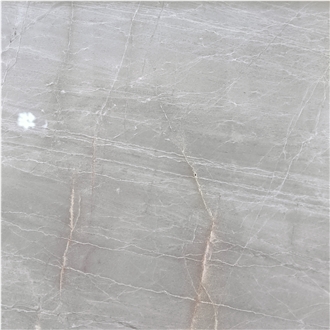
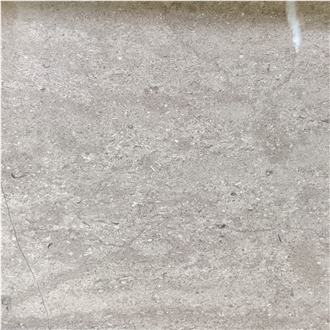
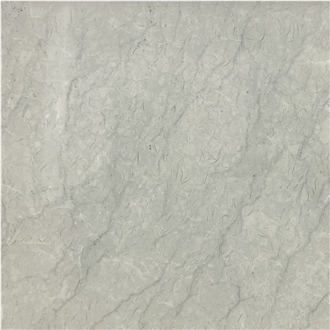
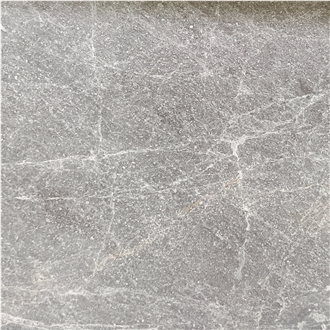
Tunisias Roman Beige Marble is a natural stone material that is generally suitable for exterior applications. However, its use in cold climates needs to be carefully considered.
Marble, including Roman Beige Marble, is a type of metamorphic rock that is formed from limestone. While it is known for its durability and versatility, marble is also susceptible to damage from freezing temperatures and other extreme weather conditions.
In cold climates, the expansion and contraction of water within the marbles pores can cause damage, such as cracking or spalling. Additionally, exposure to freezing temperatures can also lead to a loss of structural integrity over time.
To ensure the long-term durability of Tunisias Roman Beige Marble in cold climates, several precautions should be taken:
1. Select a high-quality marble: Ensure that the marble is of good quality and suitable for exterior applications. Low-quality or porous marble may be more prone to damage.
2. Proper installation: Install the marble using appropriate techniques, including ensuring proper drainage and using a suitable mortar or adhesive. This can help prevent water penetration and subsequent freeze-thaw damage.
3. Regular maintenance: Regularly clean and inspect the marble to remove debris and prevent the accumulation of water. Promptly repair any cracks or damage to prevent further deterioration.
4. Protective measures: Consider applying a suitable sealant or water repellent to the marble surface. This can help reduce the absorption of water and minimize damage caused by freezing temperatures.
While Tunisias Roman Beige Marble can be used in exterior applications in cold climates, it is crucial to consider the potential risks and take appropriate measures to ensure its longevity and performance. Consulting with a professional installer or architect experienced in working with natural stone can provide further guidance specific to the projects location and requirements.


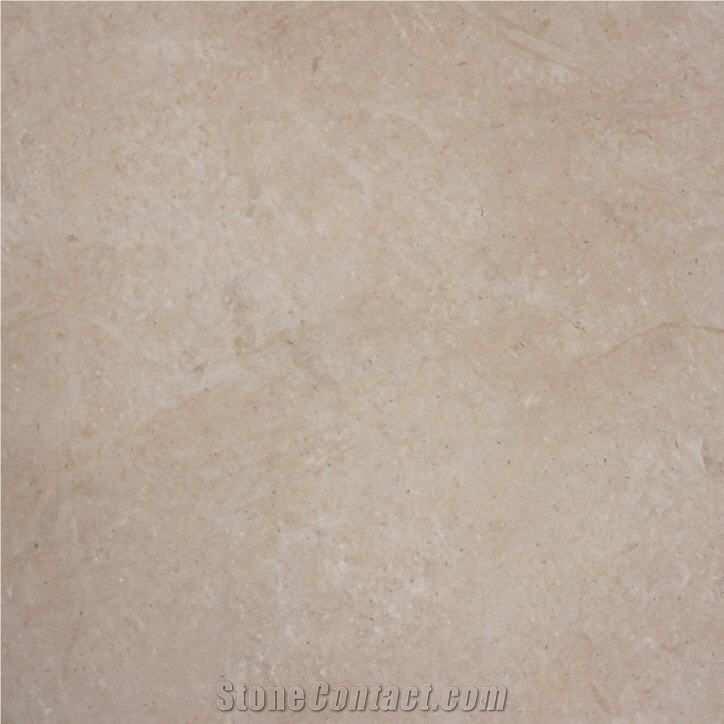
 Tunisia