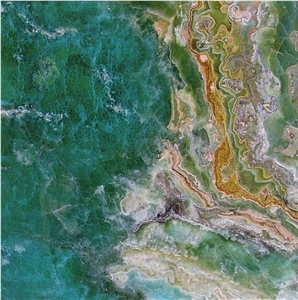
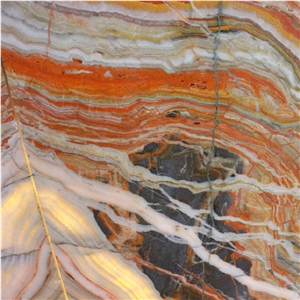
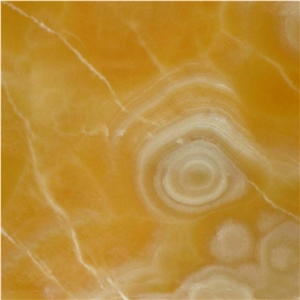
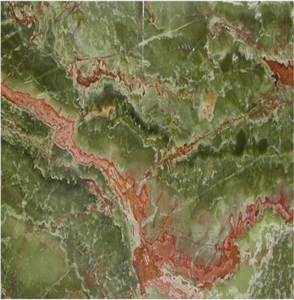
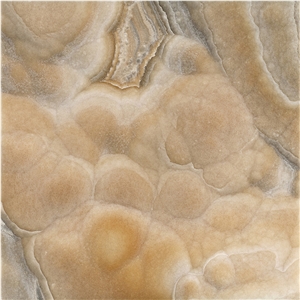
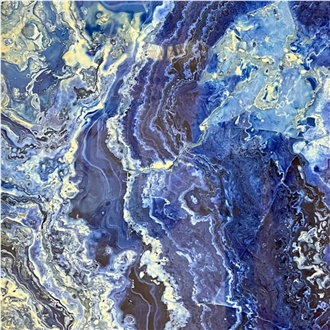
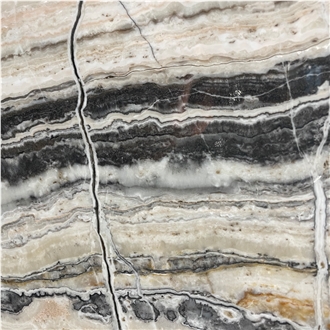
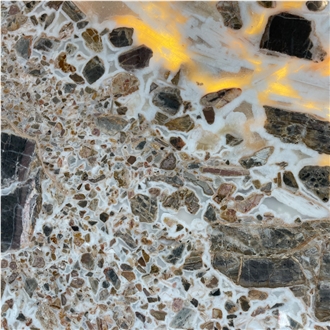
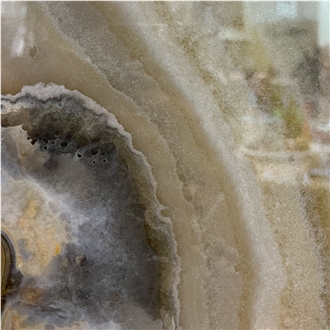
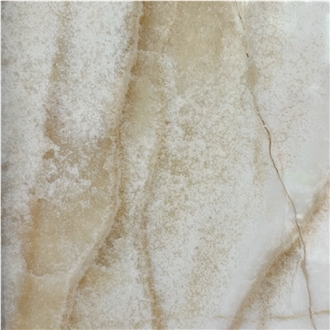
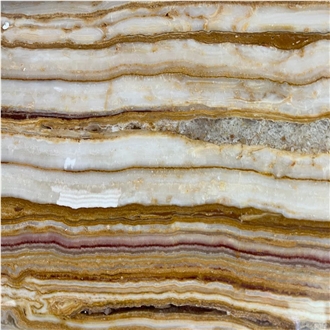
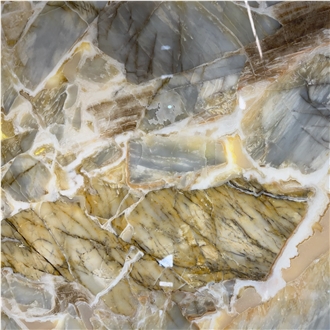
While onyx is a popular choice for interior applications due to its intricately veined patterns and translucency, it may not be the best option for exterior use in cold climates.
Onyx is a softer and more delicate stone compared to other natural stones like granite or marble. It is susceptible to damage from freezing temperatures, moisture, and exposure to harsh weather conditions. Cold climates can cause the stone to crack, spall, or deteriorate over time.
Furthermore, onyx is also sensitive to UV rays, which can fade its colors and make it lose its natural beauty when exposed to direct sunlight for prolonged periods. In cold climates, the extreme temperature changes and the presence of snow, ice, and freeze-thaw cycles can exacerbate these issues.
If you are considering using onyx for an exterior application in a cold climate, it is essential to take several precautions. This might include sealing the stone with a high-quality impregnating sealer to reduce water absorption and minimize damage from freezing and thawing. Additionally, proper installation techniques, such as using a flexible adhesive and ensuring sufficient water drainage, are crucial to mitigate potential issues.
It is recommended to consult with a professional architect or stone expert who can assess your specific project requirements and advise on the suitability and maintenance of using onyx in exterior applications in cold climates.


 Turkey