Iran
Can Iran's Picasso Onyx be used exterior applications in cold climates?
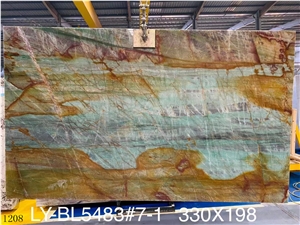
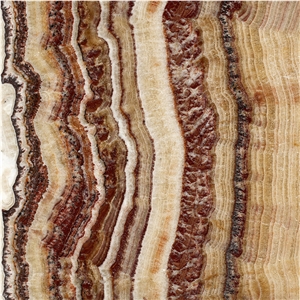
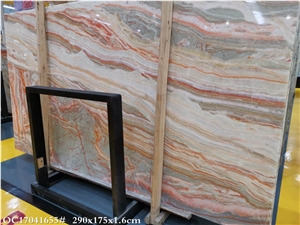
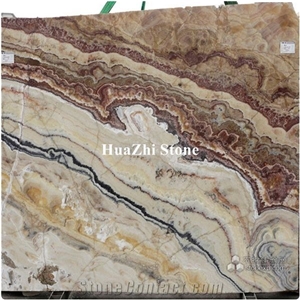
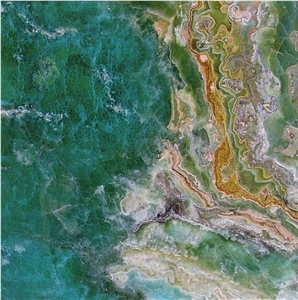
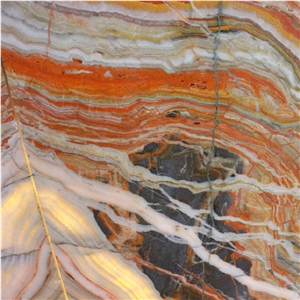
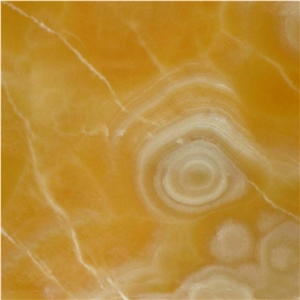
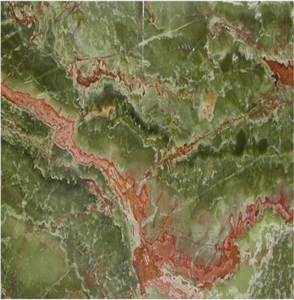
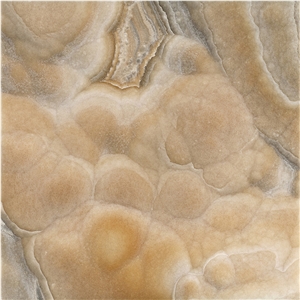
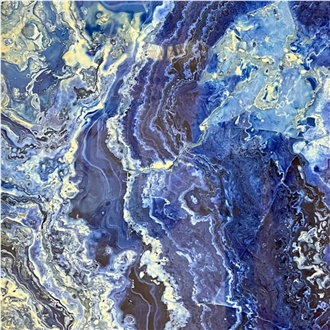
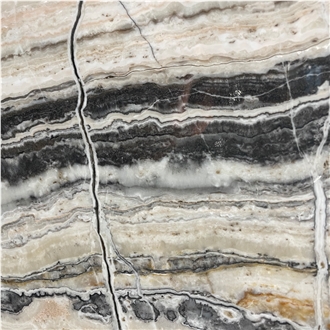
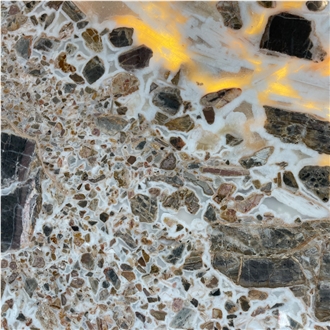
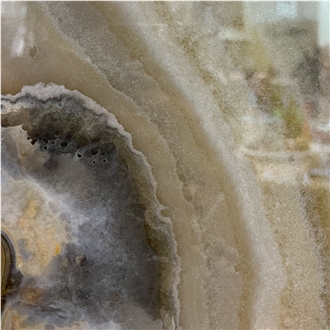
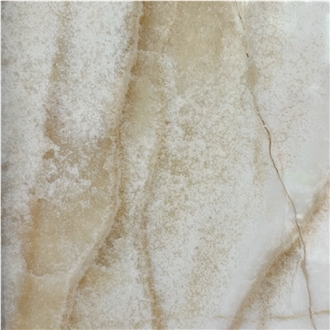
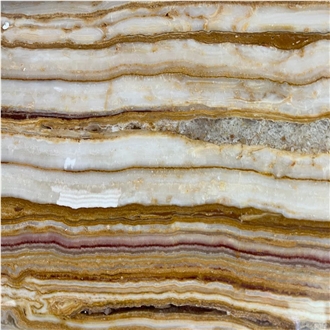
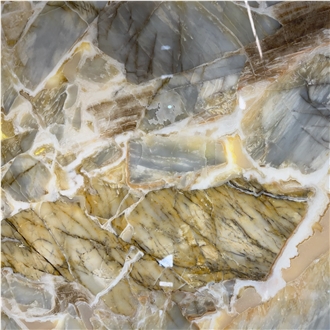
The Irans Picasso Onyx is a type of onyx stone that is known for its unique and exotic appearance. While it is commonly used for interior applications such as countertops, flooring, and wall cladding, it may not be the most suitable choice for exterior applications in cold climates.
Onyx is a softer and more delicate stone compared to other natural stones like granite or limestone. It is susceptible to scratching, staining, and etching, and can be damaged by temperature fluctuations, moisture, and exposure to harsh weather conditions.
Cold climates with freezing temperatures can be particularly damaging to onyx, as water can penetrate the stone and cause it to crack or break. Additionally, the freeze-thaw cycle can worsen any existing cracks or weaknesses in the stone.
If you are considering using Irans Picasso Onyx for exterior applications in a cold climate, it is important to take certain precautions. This may include sealing the stone properly with a high-quality impregnating sealer to minimize water absorption and prevent damage. Regular maintenance and sealing may also be required to protect the stone from potential damage.
However, even with proper precautions, using onyx in exterior applications in cold climates is a risk. It is generally recommended to choose more resilient and durable natural stones, such as granite or limestone, for outdoor use in such conditions.