


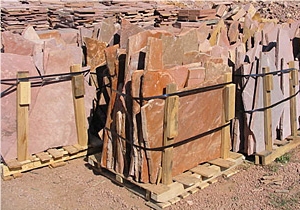
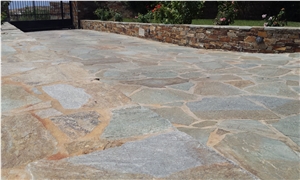
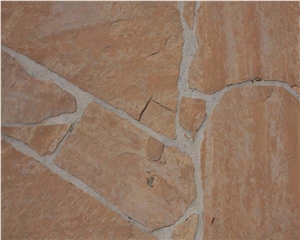
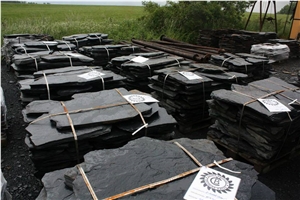
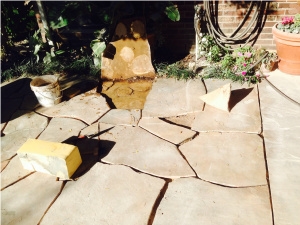
Lyons Red Sandstone Flagstone
Colorado Rose Sandstone United States
United States  China(2831)United States(146)
 Bulgaria(77)
 Italy(73)
 Greece(70)
 Viet Nam(55)
 Spain(44)
 India(40)
 Turkey(39)
 Brazil(37)
 Romania(19)
 Czech Republic(18)
 Poland(17)
 Albania(15)
 Australia(15)
 Canada(15)
 Russian Federation(15)
 Germany(14)
 Slovakia(14)
 Chile(12)
 Norway(12)
 Pakistan(10)
 Belgium(9)
 Indonesia(9)
 Netherlands(9)
 Iran(8)
 Mexico(8)
 New Zealand(8)
 Croatia(7)
 Estonia(7)
 Hungary(7)
 Ukraine(7)
 Dominican Republic(6)
 Sweden(6)
 United Kingdom(6)
 Egypt(5)
 Finland(5)
 Slovenia(5)
 Thailand(5)
 Benin(4)
 Portugal(4)
 Austria(3)
 France(3)
 Israel(3)
 Lithuania(3)
 Bosnia and Herzegovina(2)
 Ireland(2)
 Palestine(2)
 Serbia(2)
 South Korea(2)
 United Arab Emirates(2)
 Argentina(1)
 Cameroon(1)
 Cyprus(1)
 Faroe Islands(1)
 Ghana(1)
 Latvia(1)
 Malaysia(1)
 Malta(1)
 North Macedonia(1)
 Saudi Arabia(1)
 Singapore(1)
 South Africa(1)
 Switzerland(1)
 Syria(1)United States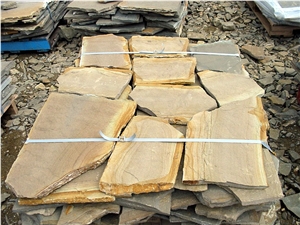
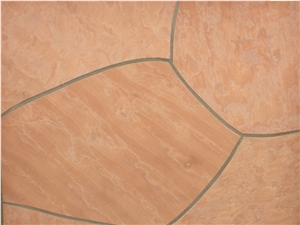
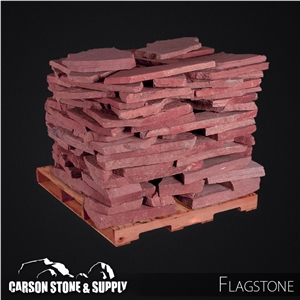 United States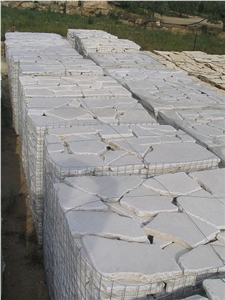
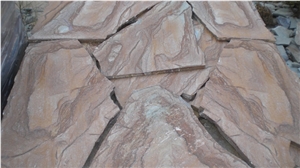
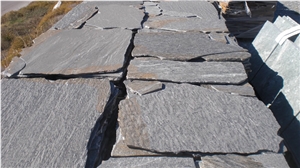
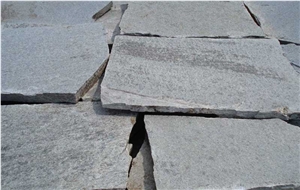
 United States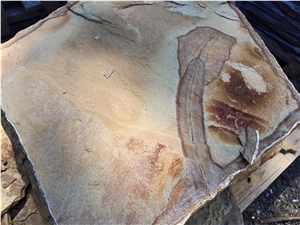
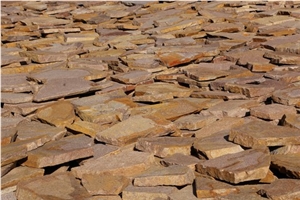
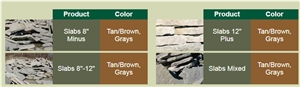 United States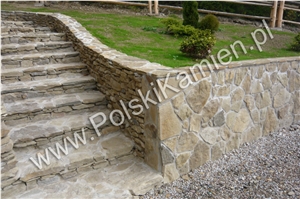
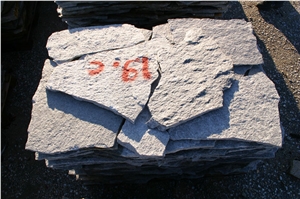
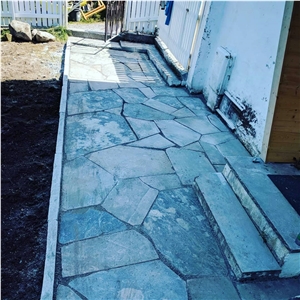
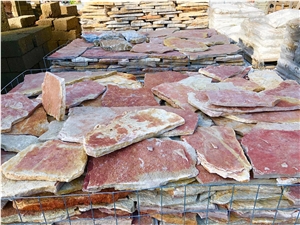
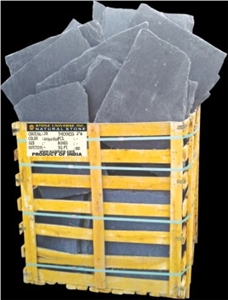 United States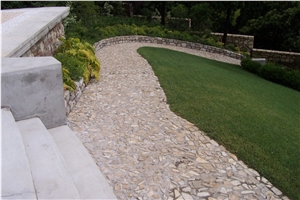
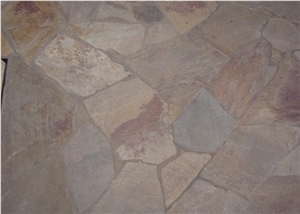 Argentina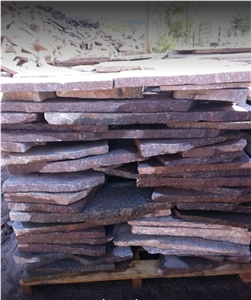
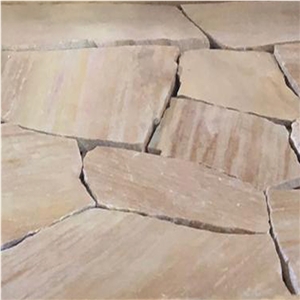 Brazil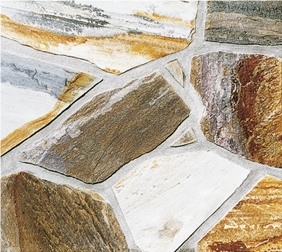
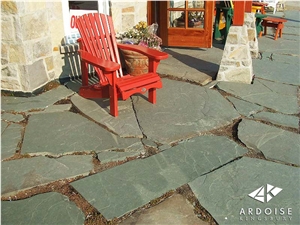
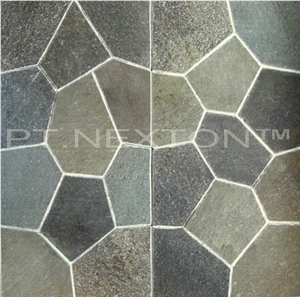
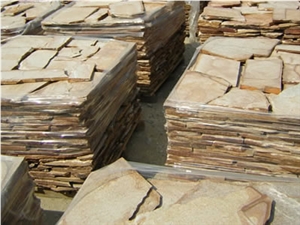
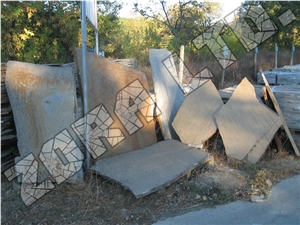
 United States
Could not find the answer you need? Ask about Stone Flagstone.
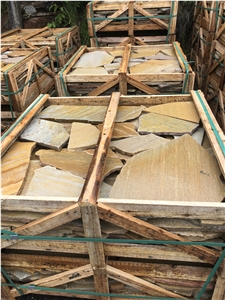
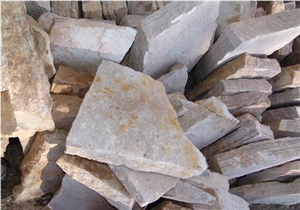
Pavers are comparatively easier to maintain and have proved to withstand traffic far much better than flagstones. On the other hand, flagstones are natural stones that may include slate, sandstone, limestone, bluestone, and travertine.
Laying stone will cost around $30 per square foot, while pouring, stamping and coloring concrete will cost around $15 per square foot. That means the overall cost for a concrete patio or walkway could be half that of flagstone. On larger projects, this will be a considerable amount of money.
Dry-laid flagstone simply means that the flagstone pieces are placed on a bed of sand and gravel. It is recommended that a patio or walkway base be at least 3” deep, then filled with a layer of compacted gravel covered with coarse sand.
Some flagstone is more expensive because it is difficult to obtain or limited in availability. Flagstone shipped long distances can be more expensive due to fuel costs. For example, bluestone mined in Connecticut will cost a great deal to ship to California because it must be shipped across the entire continent.
One of the biggest advantages of flagstone is that it lasts longer than travertine and most other materials. You may be paying for more upfront, but flagstone's durability will make up for any repair costs you likely won't have down the road.
Especially, but not limited to, where flagstone is used for pool patio surfacing and poolside surrounds, flagstone can become dangerously slippery when wet, depending on the variation used.
Yes, you can. Stepping stones protect your lawn and add structure. When active feet beat a compacted pathway through your struggling lawn, it's best to bow to the inevitable.
