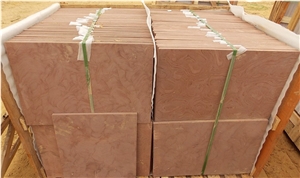
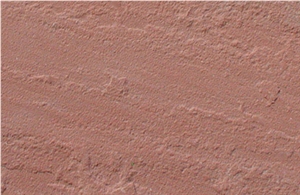
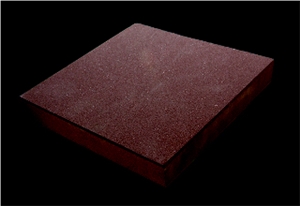
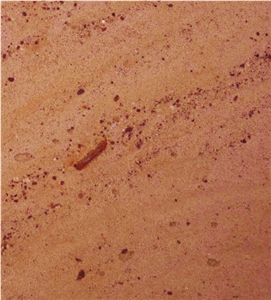
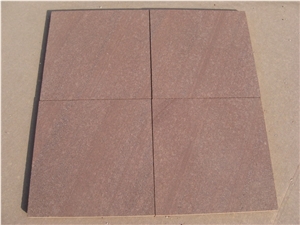
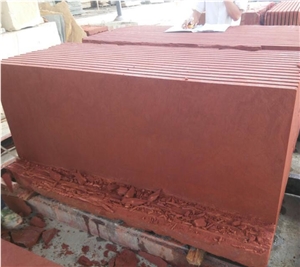
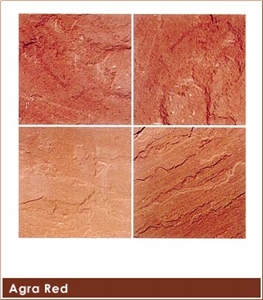
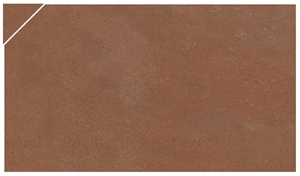
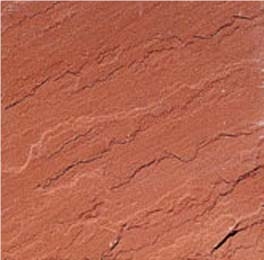
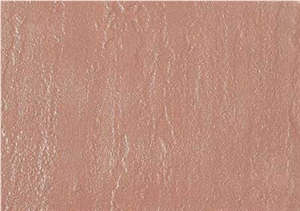
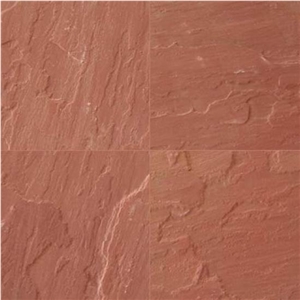
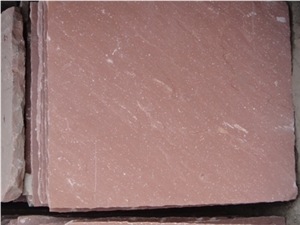
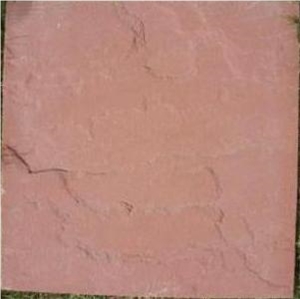
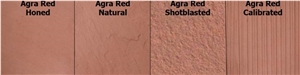
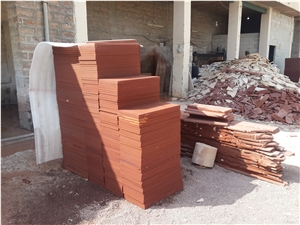
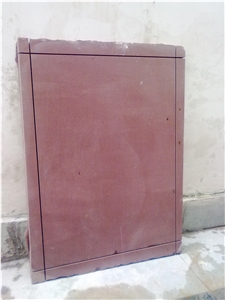
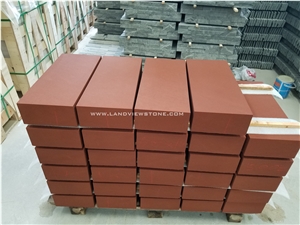
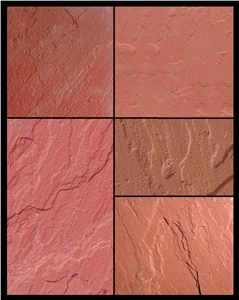
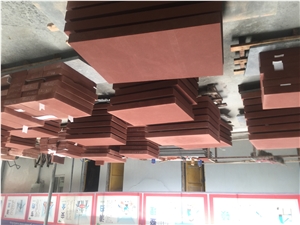
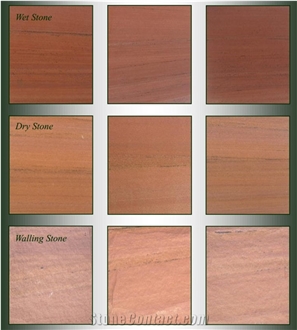
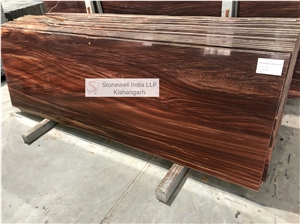
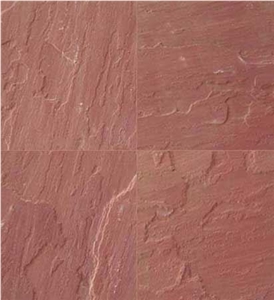
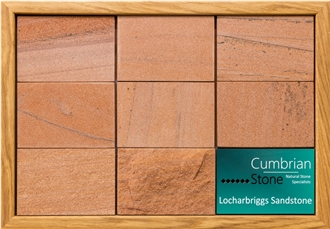
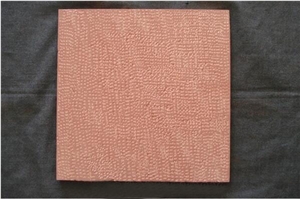
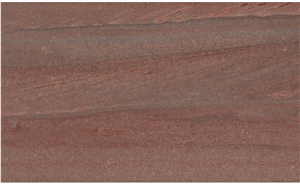
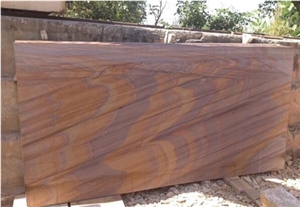
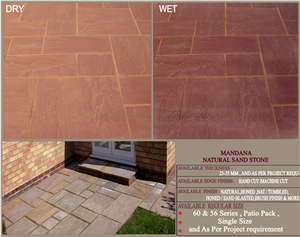
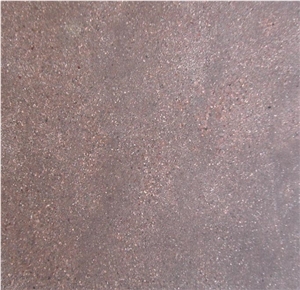
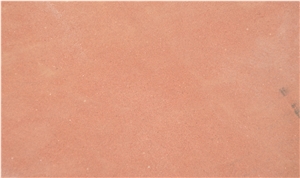
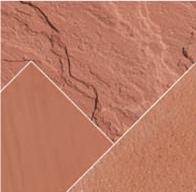
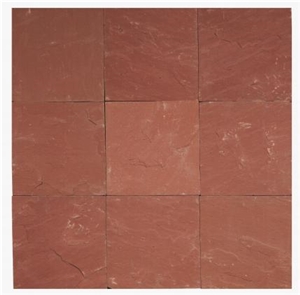
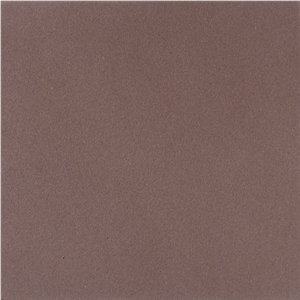
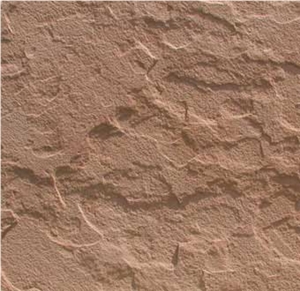
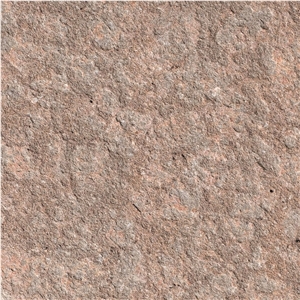
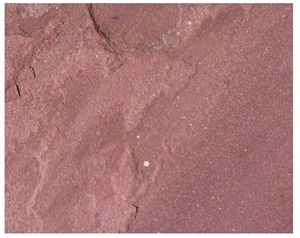
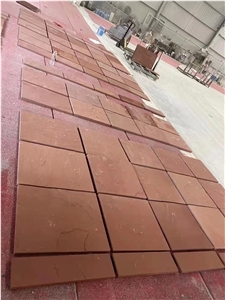
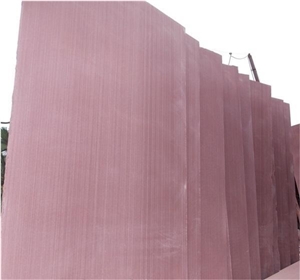
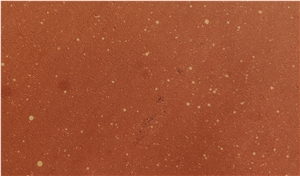
Sandstone is a beautiful natural flooring material popular with building designers and interior decorators for its distinctive textures and colours. It has proven itself as a useful flooring option since ancient times. Because of its durability, many homeowners choose sandstone floors, especially in areas where a lot of people pass by. Sandstone tiles can work anywhere you need them, but the best applications for them are in living areas, kitchens, bathrooms and hallways. Sandstone tile looks very aesthetic and useful in outdoor floor and wall coverings. Sandstone tiles are available in a variety of colors and textures, making it ideal for a wide range of residential landscape design projects and commercial flooring applications.
Ask a Question
Could not find the answer you need? Ask about Red Sandstone Pattern.
Are sandstone tiles good for flooring?View answer⌄
Asked by Visitor
Sandstones are used for various interiors such as outdoor flooring, wall cladding, indoor kitchen flooring. The water absorption characteristic of sandstone is very high compared to other natural stones. Therefore, a very good sealant should be made or it should not be used in wet areas (bathroom wall and floor, counter tops).
Sandstone has good slip resistance, even as a flat slab sawn when wet, and is therefore one of the most widely used stones for landscaping in wet and humid residential areas.
Due to the naturally porous nature of sandstone, it can absorb liquids and stain quickly if not cleaned properly. Do not wash your exterior sandstone floors when you think the weather might be frosty or icy, as this will shatter the plates.
The best sandstone cleaner and the best way to attack mold on sandstone walls is a chlorine bleach. Mix a cup of bleach water with about 3.5 liters of water and put it into a spray bottle. Concentrate the spray and then leave it for 10 or 15 minutes. Repeat the process before scrubbing it away with a scrubbing brush.


 China
China India
India Germany
 Spain
Spain United States
 France
 Poland
 Italy
Italy Sweden
 Canada
 Bulgaria
 Thailand
 Austria
 Brazil
 Cambodia
 Egypt
Egypt Hong Kong
 Ireland
 Israel
 Lithuania
 Malaysia
 Oman
Oman Pakistan
 United Arab Emirates
 United Kingdom