


 China
China Greece
 Viet Nam
 United States
 Australia
 Turkey
 Italy
Italy France
 India
India Belgium
 Canada
 Cyprus
 Egypt
Egypt Netherlands
 Austria
 Pakistan
 Spain
Spain Germany
 Mexico
 Brazil
 Israel
 Romania
 Saudi Arabia
 Slovenia
 Switzerland
 United Kingdom
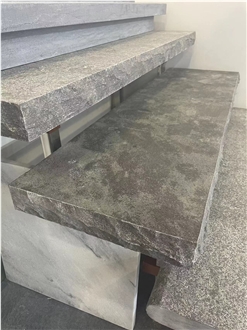
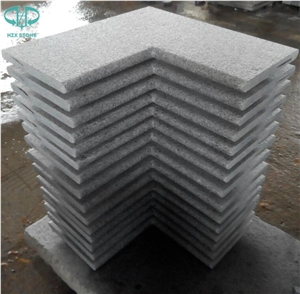
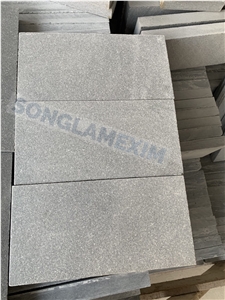
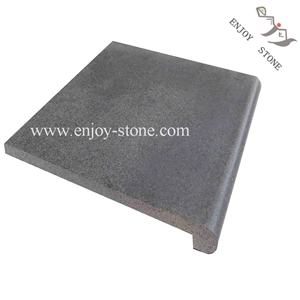
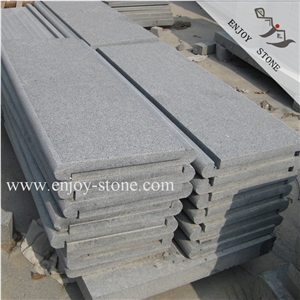
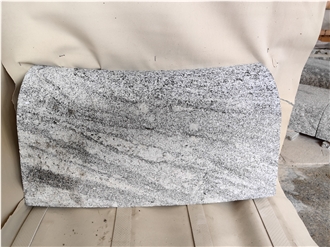
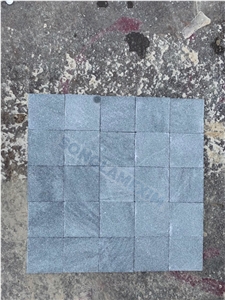
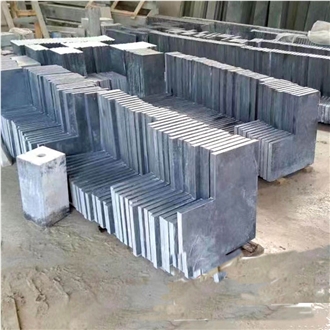
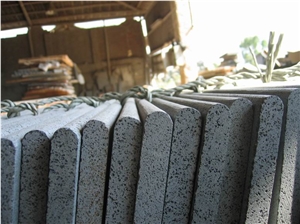
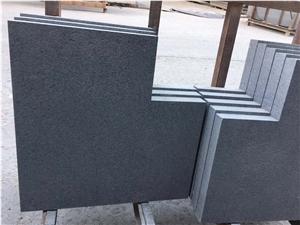
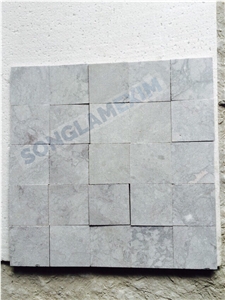
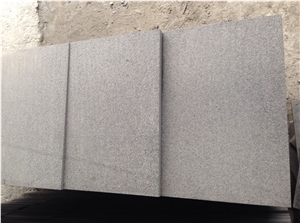
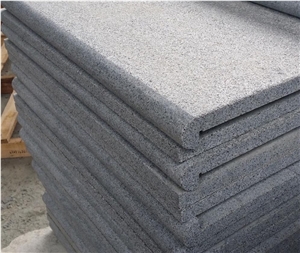
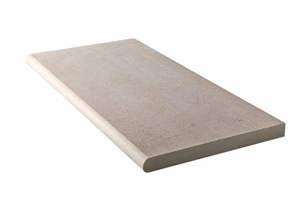
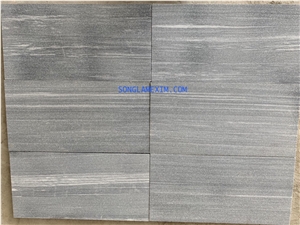
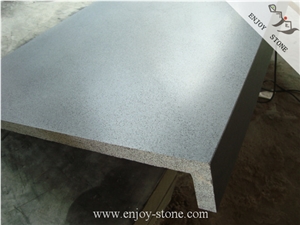
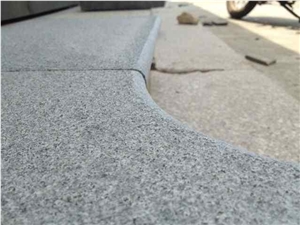
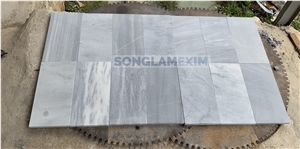
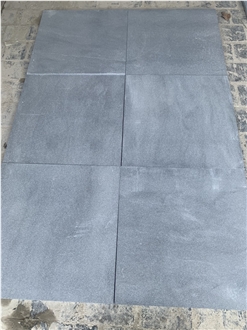
Grey Pool Deck Pavers
(971)Have PricesMaterial:
Color:

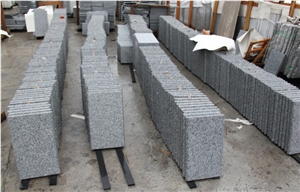
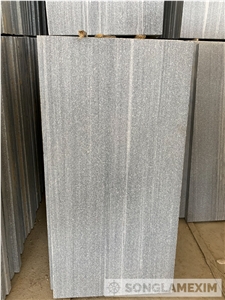
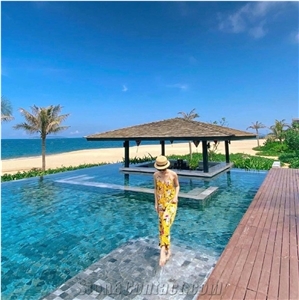
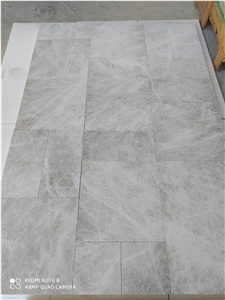
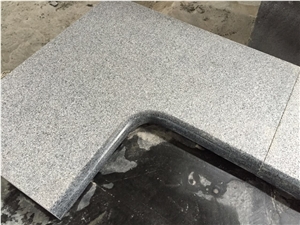
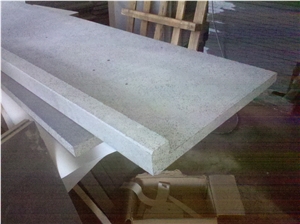
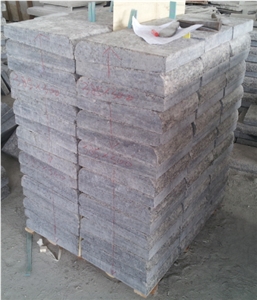
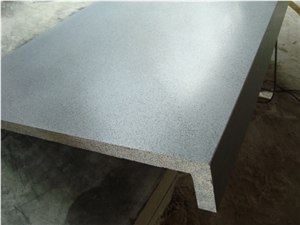
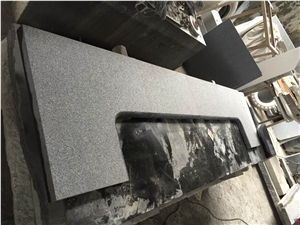
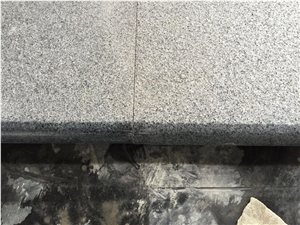
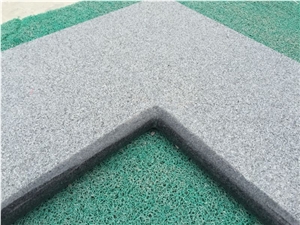
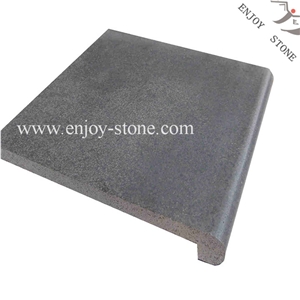
About Grey Pool Deck Pavers:
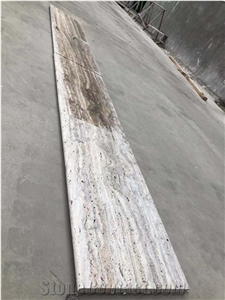
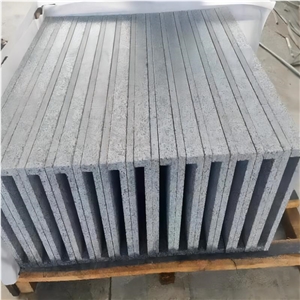
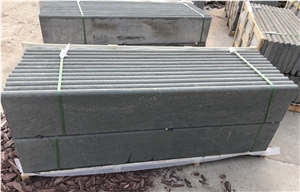
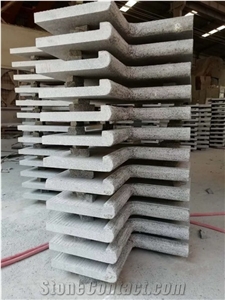
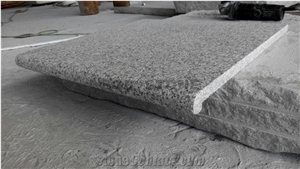
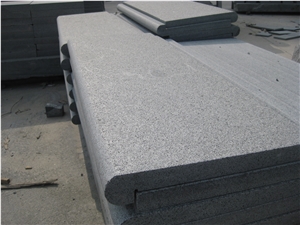
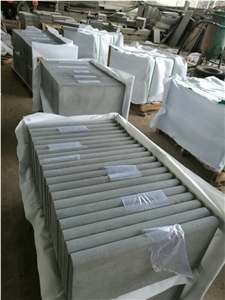
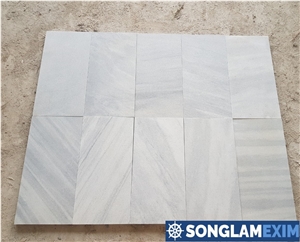
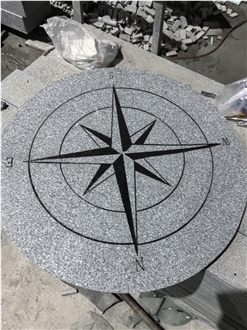
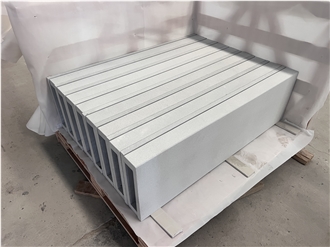
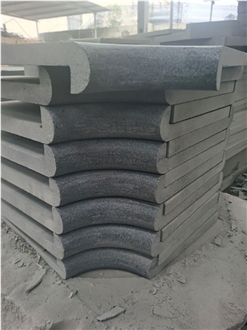
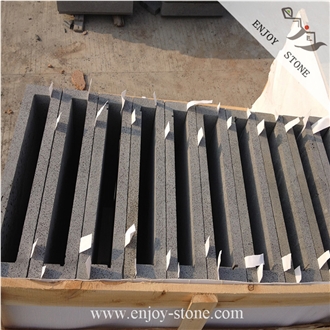
Pool Coping is the term used to identify the material used to cap the pool edge or shell wall. Swimming pool copings available are poured-in-place concrete, precast concrete, tile, and natural stone (stone pool pavers, natural flagstone, etc.). Complementing the swimming pool edge coping with natural stone is undoubtedly the most aesthetic of all coating options. Stonecontact.com brings together natural stone pool coping, pool pavers suppliers and wholesalers all around the world to get the unique design of various stone coping for you with the best pricing.
Ask a Question
Could not find the answer you need? Ask about Grey Pool Deck Pavers.
Questions & Answers on Grey Pool Deck Pavers
What is the most suitable natural stone material for the pool coping?View answer
Travertine is known as conditionally slip-resistant because its grip increases when it's wet. This feature alone makes it one of the best solutions for pool decks, and since it's more affordable than marble, travertine is usually the number one choice for many pool owners who want a classy deck for a reasonable price.
Reply to this question0 replies
Read moreWhat is Bullnose Pool Coping?View answer
This style of pool coping refers to a rounded edge finish. Instead of a sharp or square edge, bullnose gives you a rounded edge. This can be a great look and a softer look and feel. The rounded shape has safety benefits, as well as offer you a smoother look and texture for your pool.
Reply to this question0 replies
Read moreHow much does coping around a pool cost?View answer
Expect to pay between $30 and $50 per linear foot to install pool coping. This is the ledge around the edge of an in-ground pool, often in natural stone or concrete.
Reply to this question0 replies
Read moreWhy do swimming pools need pool coping?View answer
The primary purpose of adding coping is to direct splashout away from your pool and into the deck drains. But it also serves a few other important purposes, including: Blocking water from penetrating the area behind the pool shell and potentially causing damage.
Reply to this question0 replies
Read more