Post Your Needs

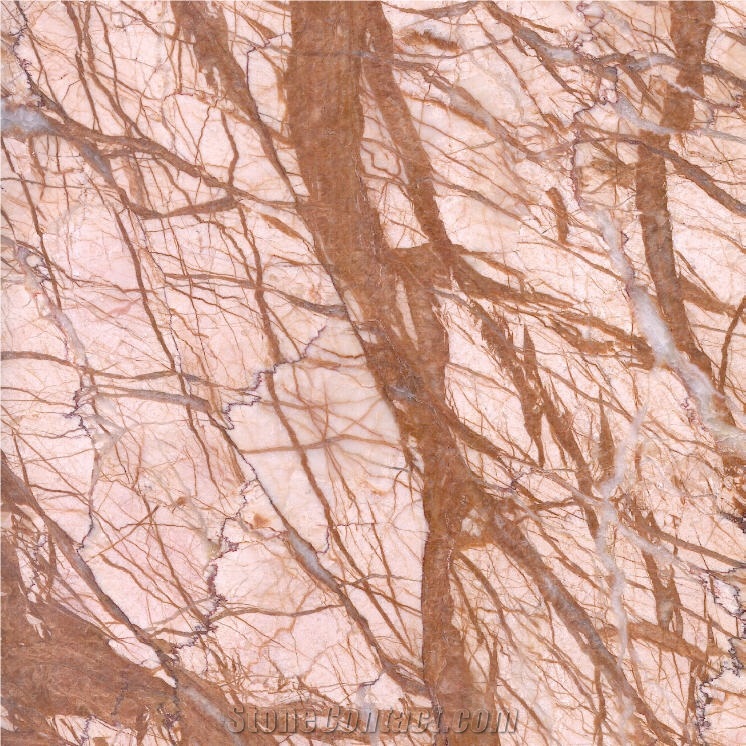
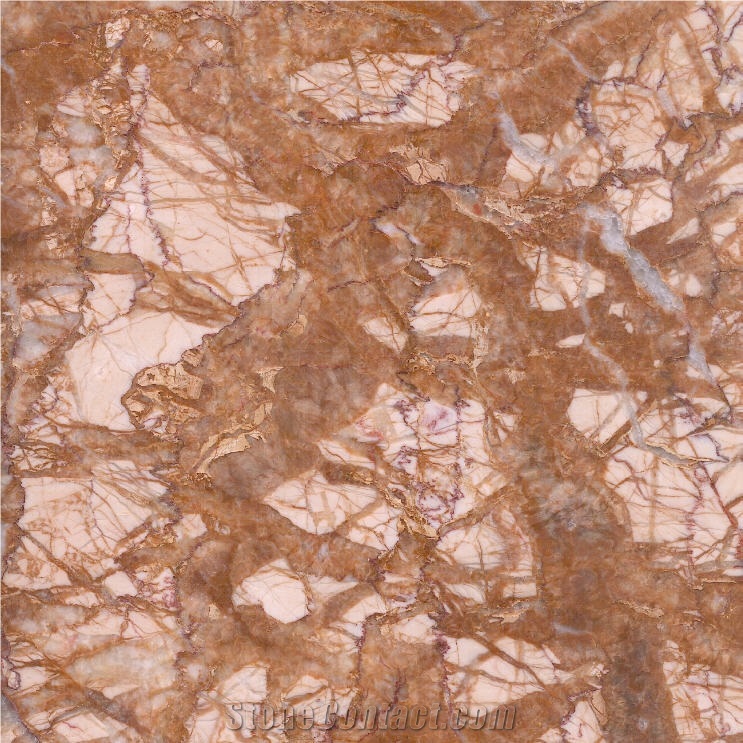
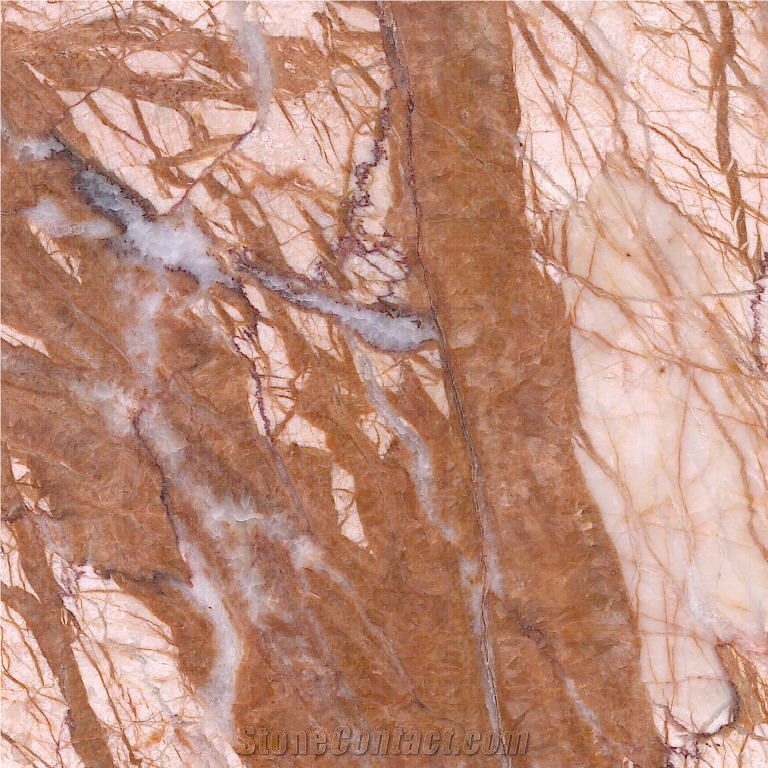
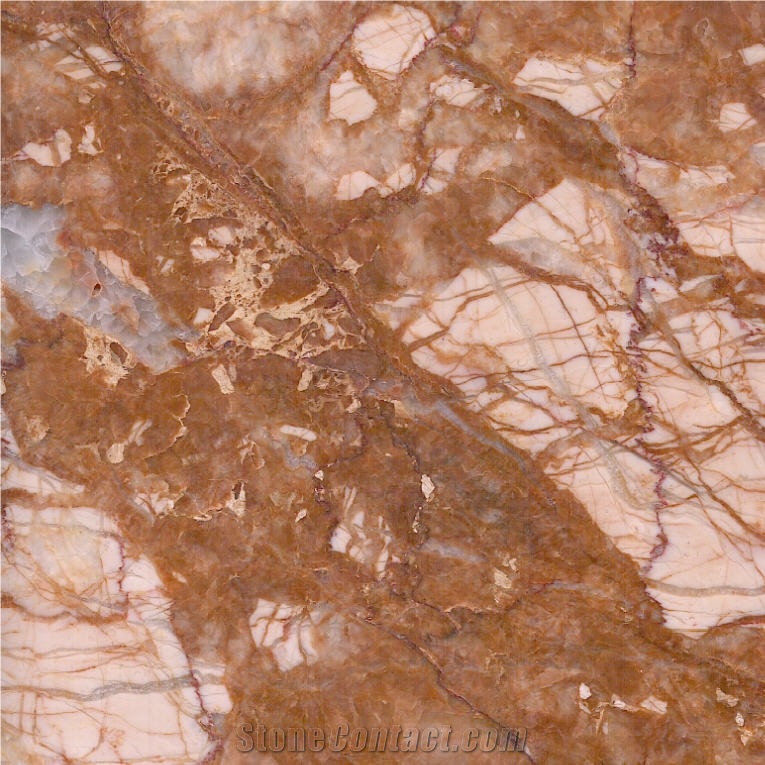
Overflowing Marble

About

Material Type:
Marble
Origin:
Turkey
Primary Color(s):
Yellow
Recommended Usage:
Wall and floor applications, countertops, mosaic, fountains, pool and wall capping, stairs, window sills
Additional Names:
Sofitel Gold Marble, Rich Gold Marble, Dragon Gold Marble, in China stone market:流金溢彩(Liú jīnyìcǎi), Overflowing Marble
Finished Surface:
Polished, Sawn Cut, Sanded, Rockfaced, Sandblasted, Tumbled

Description

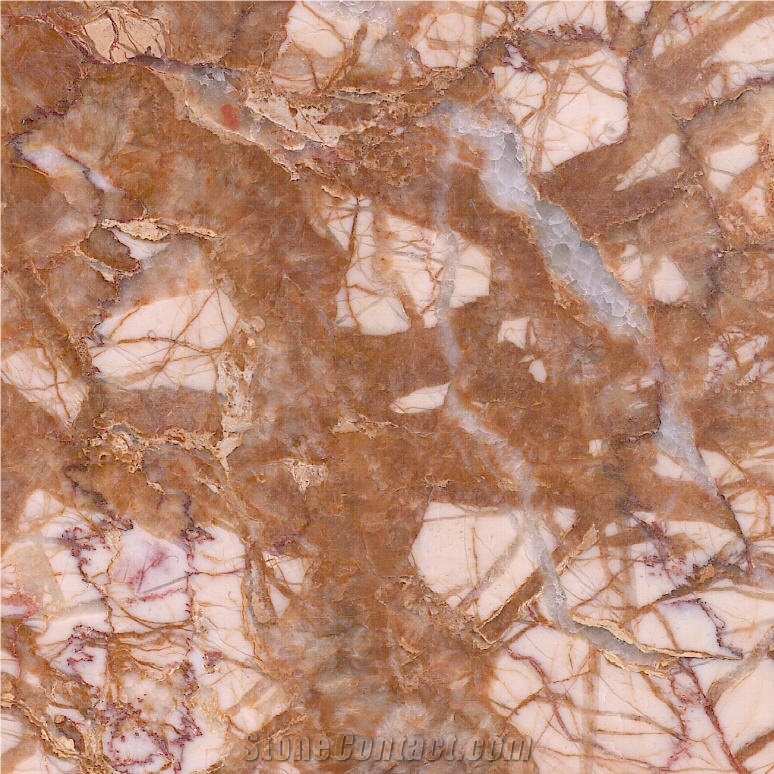
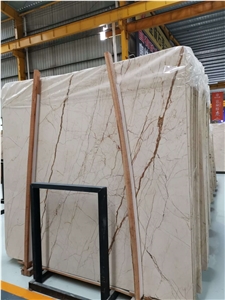
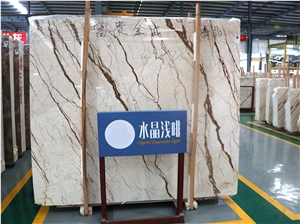
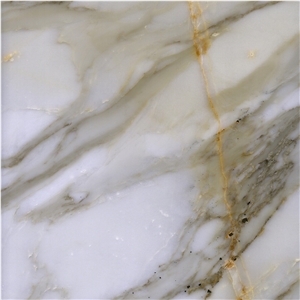
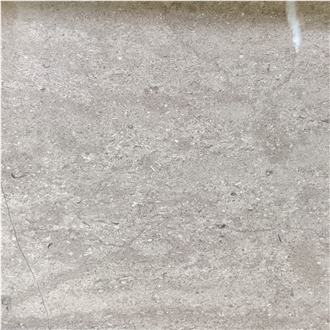
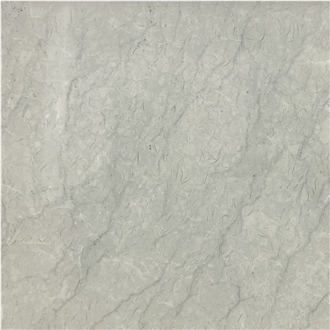
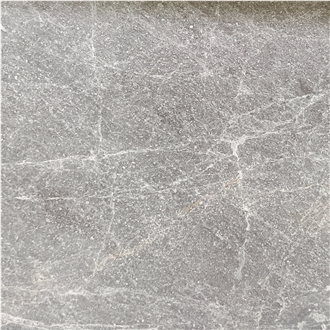
Overflowing Marble is a kind of yellow marble quarried in Turkey. This stone is especially good for Wall and floor applications, countertops, mosaic, fountains, pool and wall capping, stairs, window sills and other design projects. It also called Sofitel Gold Marble, Rich Gold Marble, Dragon Gold Marble, in China stone market:流金溢彩(Liú jīnyìcǎi) . Overflowing Marble can be processed into Polished, Sawn Cut, Sanded, Rockfaced, Sandblasted, Tumbled and so on.

FAQ

How can I give Overflowing Marble tiles an antique look?

One way to give Overflowing Marble tiles an antique look is to apply a crackle glaze or antiquing solution to the surface of the tiles. This will create a distressed and aged appearance by adding cracks and discoloration to the tiles. Additionally, you can hand-paint or stencil on a weathered patina or faux finish to further enhance the antique look. Another option is to distress the edges of the tiles with sandpaper or a wire brush to mimic the wear and tear of aged marble. Finally, consider using a technique called tea staining where you brew a strong batch of black tea and brush it onto the tiles to create a subtle antiqued effect.
Read question details

How can I restore the appearance of a Overflowing Marble tabletop to make it look new again?

To restore the appearance of an overflowing marble tabletop and make it look new again, you can follow these steps: 1. Clean the tabletop thoroughly with a mild soap and warm water. Use a soft cloth or sponge to gently scrub the surface and remove any dirt or grime that may have accumulated. 2. Treat any stains on the marble using a paste made of baking soda and water. Apply the paste to the stained area, cover it with plastic wrap, and let it sit for 24 hours. Then, rinse off the paste and wipe the area clean. 3. Polish the marble surface using a marble polishing compound or a mixture of water and marble polishing powder. Apply the polish in circular motions with a soft cloth, and buff the surface until it shines. 4. Seal the marble to protect it from future damage and maintain its appearance. Use a marble sealer specifically designed for use on countertops or tabletops, and follow the manufacturers instructions for application. 5. Consider hiring a professional marble restoration specialist if the tabletop requires more extensive repairs or refinishing. They have the expertise and equipment to properly restore the marble and make it look like new again. By following these steps and regularly maintaining your marble tabletop, you can keep it looking beautiful and pristine for years to come.
Read question details

Can 2cm thickness Overflowing Marble be used for stair steps?

It is not recommended to use 2cm thick Overflowing Marble for stair steps. Stair steps typically require a thicker and more durable material to withstand heavy foot traffic. It is advisable to use a material that is at least 3cm thick for stair steps to ensure safety and longevity.
Read question details

Is Overflowing Marble suitable to use for sculpturing?

Overflowing Marble is not a suitable type of marble for sculpturing. This is because Overflowing Marble typically has a softer and more porous composition, which can make it difficult to work with and prone to damage. Sculptors typically prefer harder and more durable types of marble, such as Carrara marble, for their projects.
Read question details

Does coffee stain the surface of Overflowing Marble countertop?

Yes, coffee can potentially stain the surface of a marble countertop if not immediately cleaned up. Marble is a porous and sensitive material, making it susceptible to staining and etching from acidic substances like coffee. It is important to wipe up any spills or splashes of coffee immediately and to regularly seal the marble countertop to help protect it from staining.
Read question details

What type of abrasive should be used to polishing the Overflowing Marble surface?

A fine abrasive such as a polishing compound or polishing powder specifically designed for marble surfaces should be used to polish an Overflowing Marble surface.
Read question details

How can I maintain Overflowing Marble kitchen countertop?

1. Clean spills immediately: Wipe up any spills or messes on the countertop immediately to prevent etching or staining. 2. Use a mild cleaner: Use a mild, non-abrasive cleaner to clean the countertop regularly. Avoid harsh chemicals that can damage the marble. 3. Seal the countertop: Marble is a porous stone and can easily absorb liquids and stains. Seal the countertop periodically to protect it from water damage and stains. 4. Use cutting boards and trivets: Avoid cutting directly on the marble countertop and use cutting boards and trivets to protect the surface from scratches and heat damage. 5. Avoid acidic substances: Do not use acidic substances like vinegar, lemon juice, or harsh cleaning products on marble as they can etch the surface. 6. Use coasters: Use coasters under glasses and dishes to prevent water rings and stains on the countertop. 7. Avoid rough cleaning tools: Do not use abrasive sponges or scrub brushes on the marble countertop as they can scratch the surface. 8. Buff the marble: Use a soft cloth to buff the marble countertop regularly to maintain its shine and keep it looking new. By following these tips, you can maintain the beauty and quality of your overflowing marble kitchen countertop for years to come.
Read question details

Is 2cm thick Overflowing Marble durable enough for use as patio pavers?

It is dependent on the specific use and conditions of the patio. In general, marble is not as durable as other natural stone materials like granite or slate, and a thickness of 2cm could be considered too thin for heavy foot traffic or vehicle use. Also, because marble is prone to staining and scratching, it may not hold up well in outdoor environments with exposure to the elements. It is recommended to consult with a professional installer or supplier to determine if marble pavers are suitable for your patio project.
Read question details

Does the surface of Overflowing Marble kitchen counterop scratch easily?

Marble is a relatively soft and porous material, so it is prone to scratching and staining. The surface of an overflowing marble kitchen countertop may scratch easily if not properly cared for. It is important to use cutting boards and avoid placing hot pots and pans directly on the surface to prevent scratching. Regular sealing and maintenance can also help protect the surface of the countertop.
Read question details

Can Turkey's Overflowing Marble be used exterior applications in very humid climates?

Turkey is well-known for its abundant supply of high-quality marble, which is widely used in various applications around the world. When it comes to using Turkish marble for exterior applications in very humid climates, there are a few considerations to keep in mind. Marble is a natural stone that is mainly composed of calcium carbonate, making it porous in nature. While Turkish marble is generally durable and weather-resistant, its specific performance in humid climates may depend on a few factors: 1. Type and quality of marble: Different types of Turkish marble have varying degrees of porosity, durability, and resistance to weathering. Some varieties may be more suitable for exterior applications in humid climates due to their ability to withstand moisture and humidity. 2. Surface treatment: To enhance the longevity and performance of marble in humid climates, proper surface treatment can be applied. The marble can be sealed with a high-quality impregnating sealer or a specific product designed for exterior use, which can help reduce water absorption and minimize the effects of humidity. 3. Installation and maintenance: Proper installation of marble is crucial to ensure its durability and suitability for humid environments. The use of appropriate setting materials, such as water-resistant mortars, can help mitigate potential issues related to moisture. Regular maintenance, including cleaning and resealing if necessary, is also vital to preserve the appearance and integrity of the marble. However, its essential to note that even with proper treatment and maintenance, marble may still be susceptible to some effects of high humidity, such as efflorescence (a white powdery residue) or possible discoloration over time. Therefore, it is recommended to consult with professionals experienced in working with marble and consider specific types of Turkish marble that are known for their suitability in humid climates. Ultimately, the successful use of Turkish marble for exterior applications in very humid climates will depend on various factors, and its advisable to assess these factors and consult with experts to make an informed decision.
Read question details

Products & Prices

Hot Marble

New Marble

Post Your Request

The request includes:
  1. surface finished, size
  2. quantity required