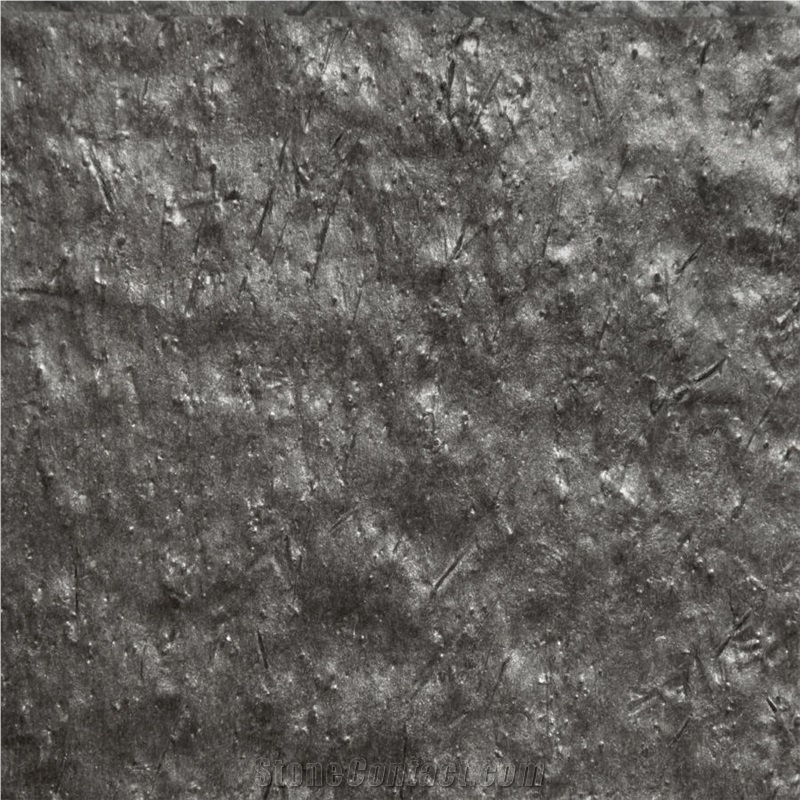
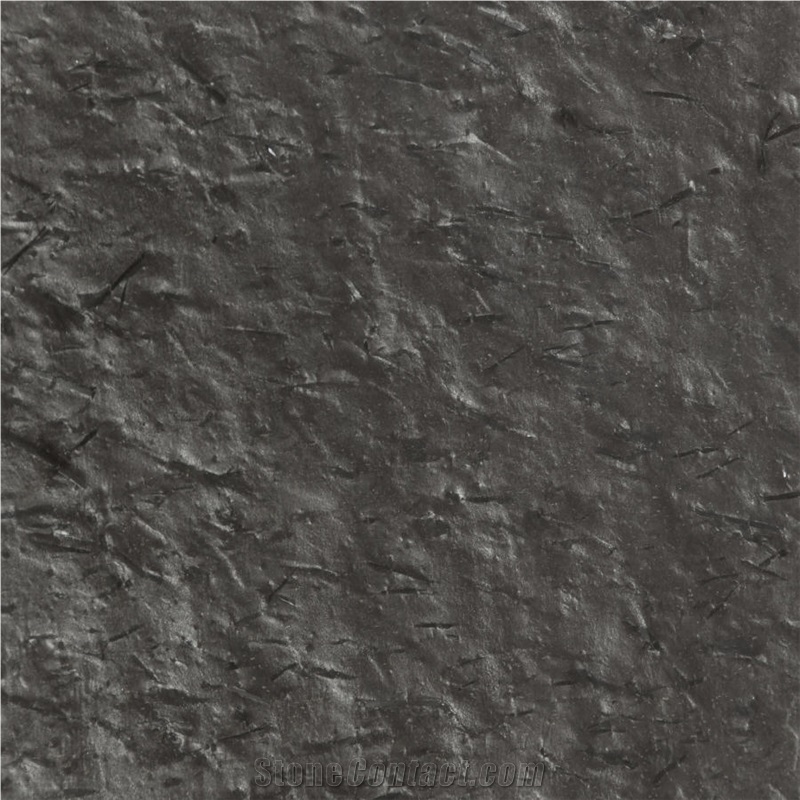
- Material Type:
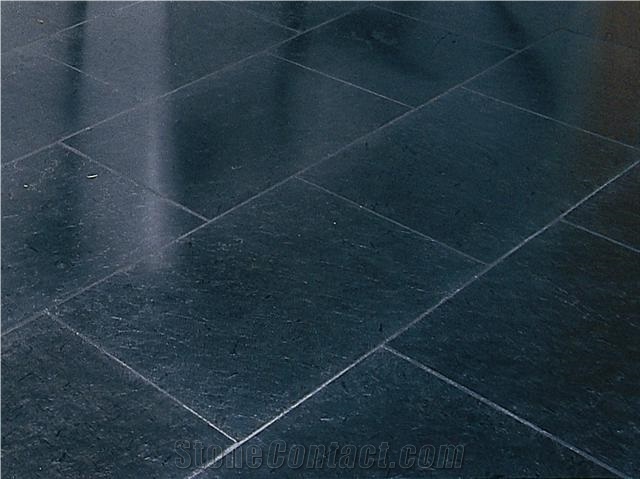
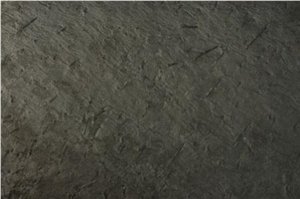
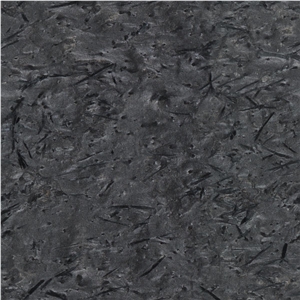
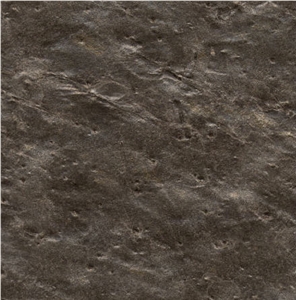
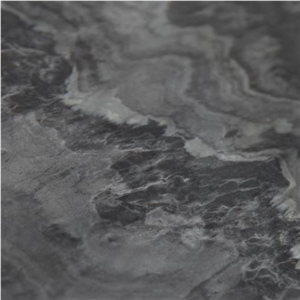
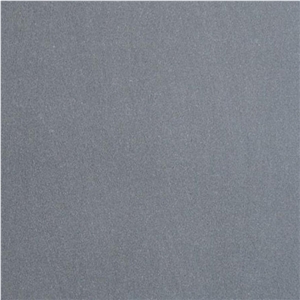
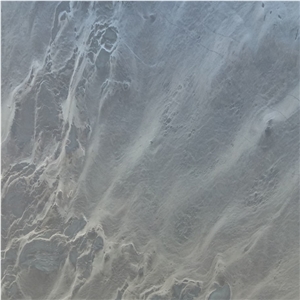
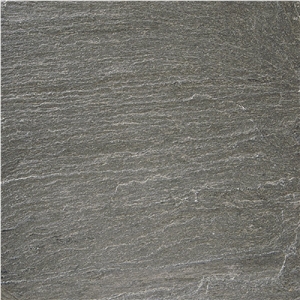
- Phyllite
- Origin:
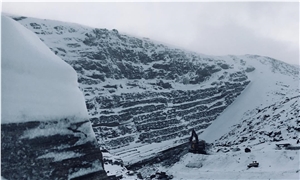
 Norway (Pillarguri, Otta, Oppland)
 - Primary Color(s):
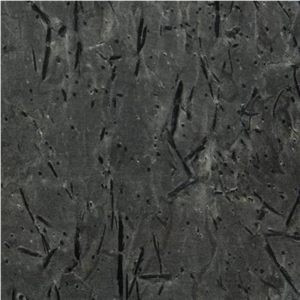
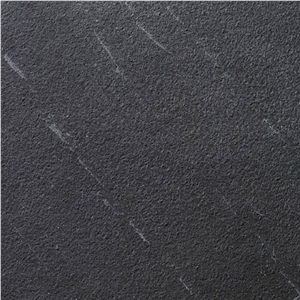
- Black
- Recommended Usage:
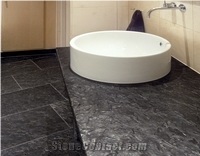
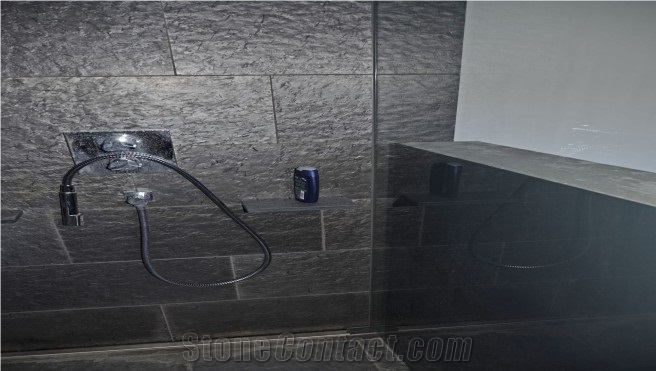
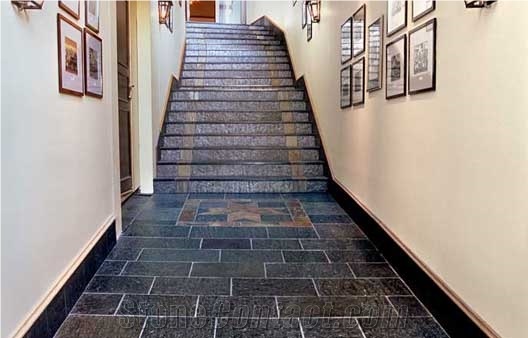
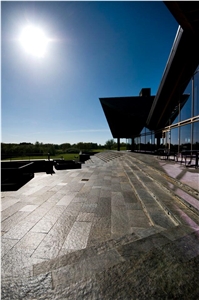
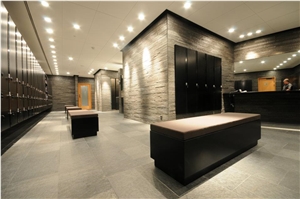
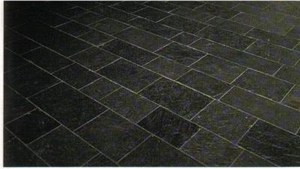
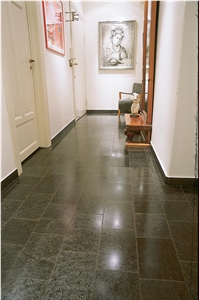
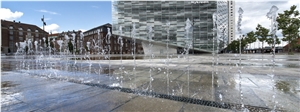
- Exterior - Interior wall and floor applications, monuments, countertops, mosaic, fountains, pool and wall capping, stairs, window sills
- Additional Names:
- Otta Slate, Otta Skifer, Otta Phylitt, Pillarguri Rust, Pillarguri Sort, Black Lace Phyllite, Otta Phyllit Pillarguri, Otta Pillarguri, Phyllit Pillarguri, Pillaguri, Pillarguri Noir, Pillargury, Sell Pillaguri Quartzite, Otta Phyllite
- Finished Surface:
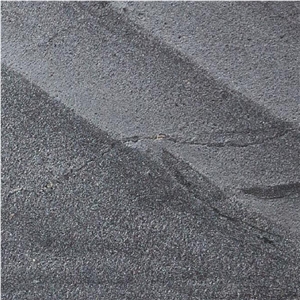
- Honed, Aged, Polished, Sawn Cut, Sanded, Rockfaced, Sandblasted, Bushhammered, Tumbled
Description
Rock type: Phyllite slate.
Age: Ordovician (approx. 460 million years).
Otta slate represents what was originally a clay/siltstone formation which during the Caledonian period was deformed and metamorphosed with the foundation of regular cleavage strata.
Good slate deposits occur in tight fold structures. Sheet thickness varies between 8 and 80mm.
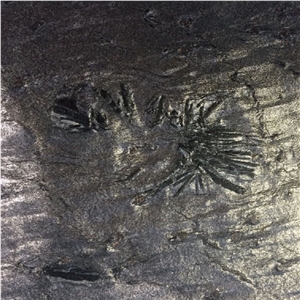
In the lower part of a slate formation the phyllite contains large crystals of needle-like hornblend .
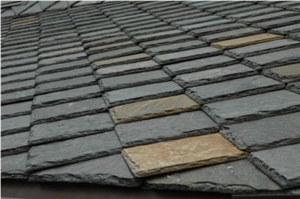
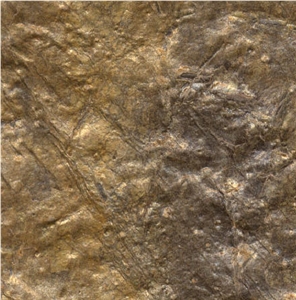
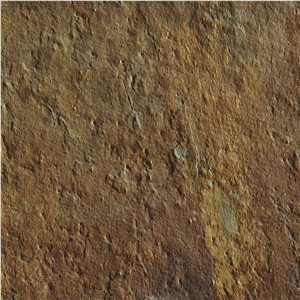
Pillarguri is exclusively quarried to the south of Ottadal, is quarried on the north side. In certain areas the slate can be found with a rusty surface.
This rust colour occurs in cleavage planes which have been exposed to erosion from water and to oxygen.
Petrografi c analysis
Phyllit
Density NS-EN 1936 2810 kg/m3
Water absorption NS-EN 13755 0,2 % by weight
Flexural strength NS-EN 12372 44,5 MP
Abrasion resistance NS-EN 14157(A) 25,0 mm
Slip resistance NS-EN 14231 64 SRV, dry
18 SRV, wet
Comment
Frost resistant
Mid-value after 48 frost/defrost cycles natural riven material
Tested on honed C600. Method A: Wide Wheel abrasion test Capon.
Honed C220
Honed C220
Mineralogy
Quartz 25 - 35 %
Mica 40 - 55 %
Chlorite10 - 15 %
Hornblende 0 - 5 %
Garnet 1 - 3 %
Carbonate 0 - 3 %
Iron oxides 1 - 7 %