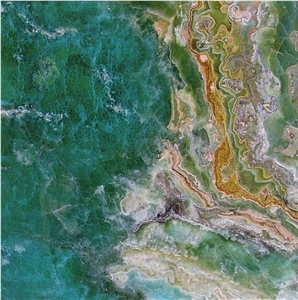
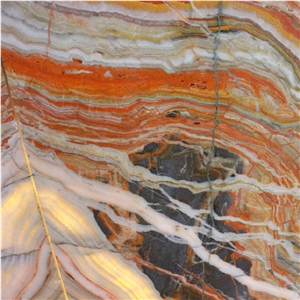
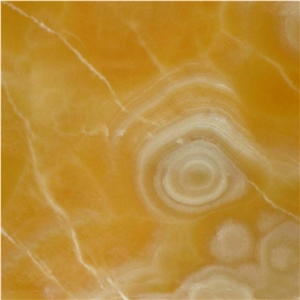
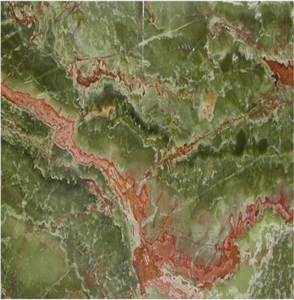
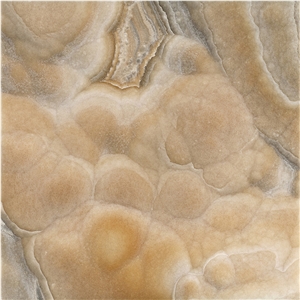
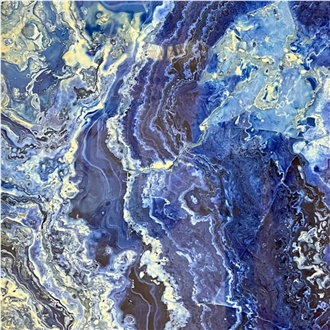
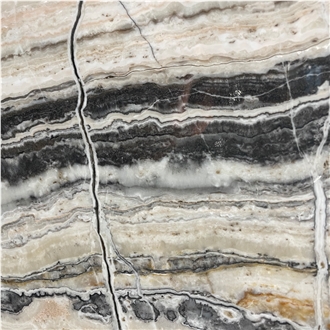
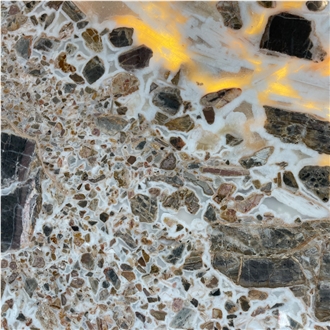
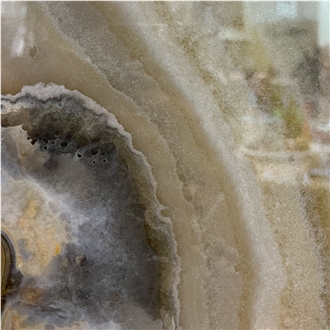
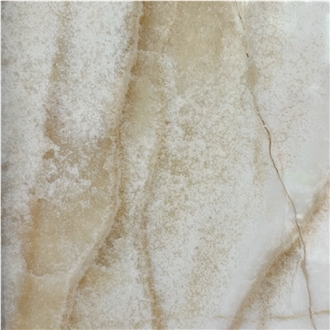
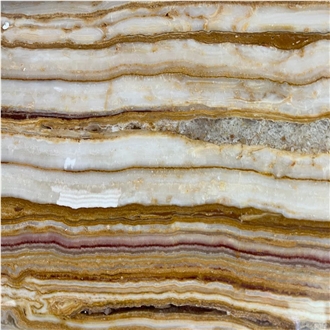
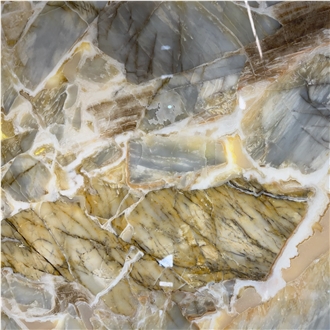
Turkeys Onice Bolle Onyx is a type of onyx stone that is known for its unique veining and translucent properties. While onyx is generally not recommended for exterior applications in cold climates, it is possible to use Onice Bolle Onyx in certain exterior applications with proper precautions.
Onyx is a softer and more delicate stone compared to other natural stones like granite or marble. It is prone to scratching, staining, and can be affected by harsh weather conditions. In cold climates, onyx can be particularly sensitive to temperature changes and freeze-thaw cycles, which can cause cracking or damage to the stone.
However, if you still wish to use Onice Bolle Onyx in exterior applications in cold climates, there are a few measures you can take to minimize the risk of damage:
1. Select a thicker slab: Choosing a thicker slab of Onice Bolle Onyx will provide better durability and resistance to temperature changes.
2. Apply a protective sealant: Use a high-quality sealant specifically made for onyx to protect the stone from stains and moisture penetration. Regular resealing may be required to maintain the protective barrier.
3. Proper installation: Hire a professional stone installer experienced in working with onyx. They will ensure proper installation techniques, including providing adequate support and allowing for proper expansion and contraction of the stone.
4. Limited exposure: Use Onice Bolle Onyx in exterior applications with limited exposure to direct sunlight, rain, or extreme temperature fluctuations. Consider using it in covered areas or as accent pieces rather than fully exposed surfaces.
It is important to consult with a stone professional or supplier before using Onice Bolle Onyx for exterior applications in cold climates. They can provide specific recommendations based on the characteristics of the stone and the climatic conditions of your area.


 Turkey