Post Your Needs

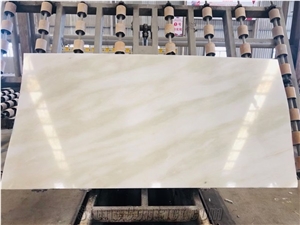
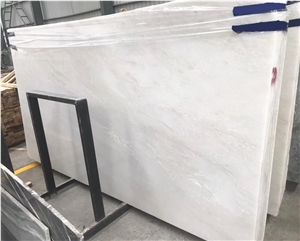
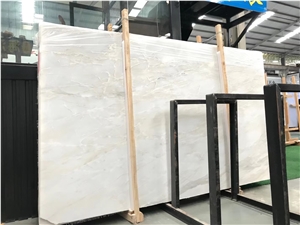
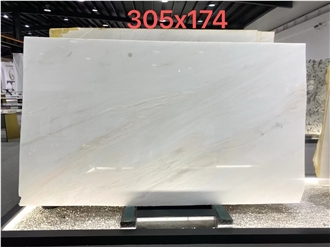
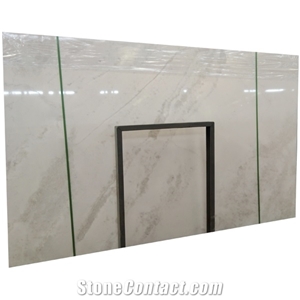
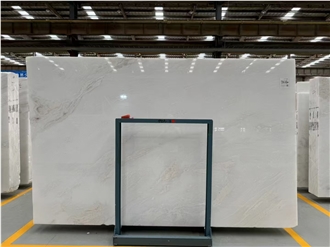
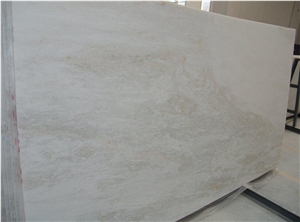
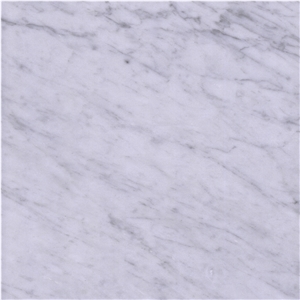
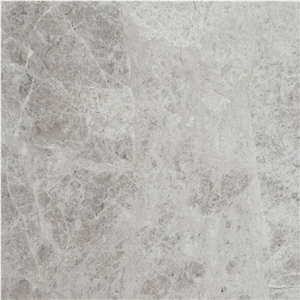
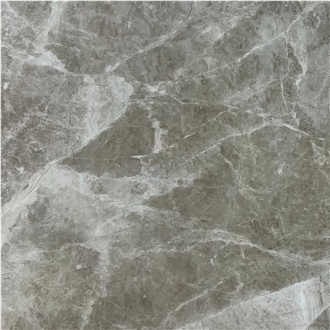
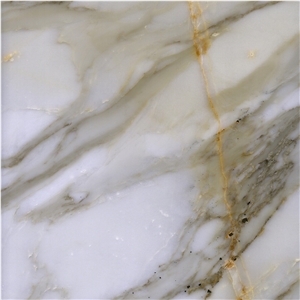
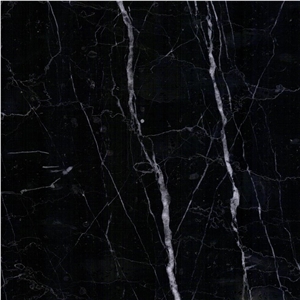
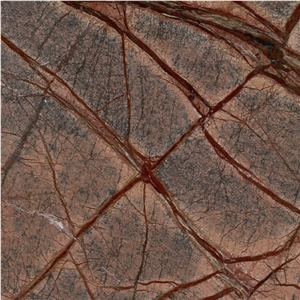
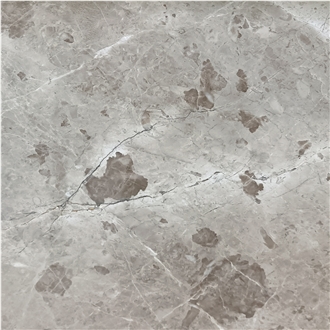
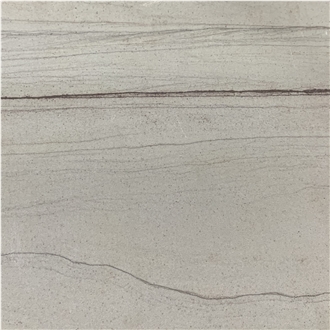
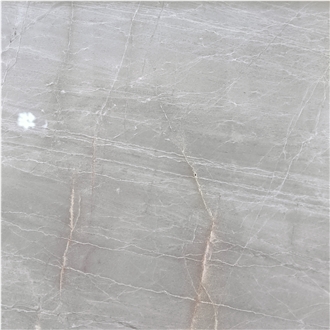
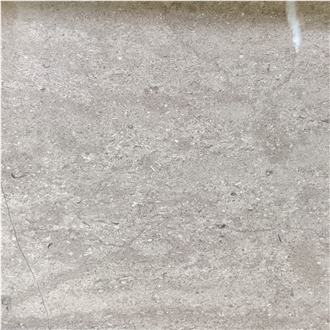
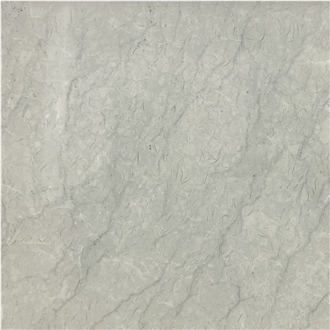
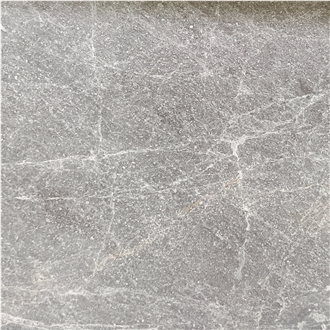
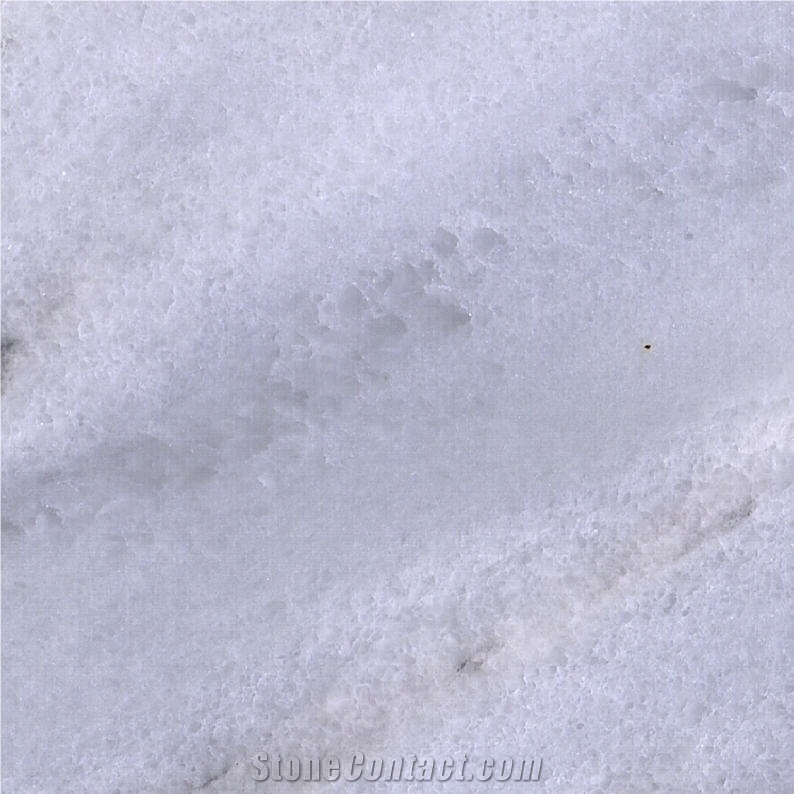
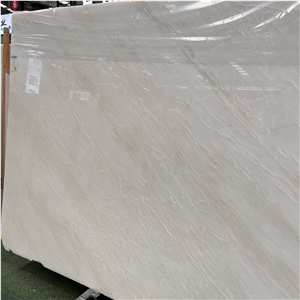
Namibia Jade Marble

About

Material Type:
Marble
Origin:
Namibia (Damara, Karibib region)
Primary Color(s):
White
Recommended Usage:
Construction stone, ornamental stone, mosaic, pavers, stairs, fireplaces, sinks, balustrades
Additional Names:
Bianco Savana Marble, Bianco Savanna Marble, Blanco Savana, Karibib White Marble, Savanna Light Marble, Savanna Princess Marble, Savanna Atlantica Marble, Namibia White Jade Marble, Namibia Jade Marble
Finished Surface:
Polished, Sawn Cut, Sanded, Rockfaced, Sandblasted, Tumbled

Testing

Density:
2680 - 2700 kg/m³

Description

Namibia Jade Marble is a kind of white marble quarried in Namibia. This stone is especially good for Construction stone, ornamental stone, mosaic, pavers, stairs, fireplaces, sinks, balustrades and other design projects. It also called Bianco Savana Marble,Bianco Savanna Marble,Blanco Savana,Karibib White Marble,Savanna Light Marble,Savanna Princess Marble,Savanna Atlantica Marble,Namibia White Jade Marble . Namibia Jade Marble can be processed into Polished, Sawn Cut, Sanded, Rockfaced, Sandblasted, Tumbled and so on.

FAQ

My tabletop made of Namibia Jade Marble has scratches. How can I fix it?

To fix scratches on your Namibia Jade Marble tabletop, you can try the following steps: 1. Start by cleaning the surface of the tabletop with a mild soap and water solution to remove any dirt or debris that may be hiding the scratches. 2. Use a marble polishing compound or powder to buff out the scratches. Apply a small amount of the compound to the scratch and gently rub it in using a soft cloth or sponge. Be sure to follow the manufacturers instructions for the specific product you are using. 3. If the scratches are deep, you may need to use a diamond polishing pad or sandpaper to carefully sand them down. Start with a fine grit sandpaper and gradually work your way up to a finer grit to avoid causing further damage to the marble. 4. Once the scratches have been buffed out, clean the surface of the tabletop with a damp cloth to remove any residue from the polishing compound or sandpaper. 5. Finally, polish the tabletop with a marble sealant to protect the surface and give it a shiny finish. It is important to note that fixing scratches on marble can be a delicate process, so it is recommended to seek the help of a professional if you are unsure or if the scratches are extensive.
Read question details

Does the surface of Namibia Jade Marble countertop scratch easily?

Namibia Jade Marble is a natural stone with a moderate hardness and durability, so it may scratch more easily than harder materials like granite or quartz. Proper care and maintenance, including using cutting boards and avoiding harsh chemical cleaners, can help prevent scratching and prolong the life of the countertop. Regular sealing and polishing can also help protect the surface from scratches and other types of damage.
Read question details

Can Namibia Jade Marble be used for pool coping?

Yes, Namibia Jade Marble can be used for pool coping. Marble is a durable and attractive natural stone that is commonly used for pool coping due to its resistance to water and heat, as well as its smooth and elegant appearance. Namibia Jade Marble, in particular, can add a luxurious and unique touch to your pool area. Just make sure to properly seal and maintain the marble to ensure its longevity and prevent any staining or discoloration from pool chemicals.
Read question details

Can Namibia Jade Marble be used as a kitchen countertop?

Yes, Namibia Jade Marble can be used as a kitchen countertop. However, it is important to note that marble is a softer and more porous stone compared to granite or quartz, so it may require more maintenance and care to prevent staining, scratching, and etching. It is recommended to seal the marble regularly and use cutting boards and hot pads to protect the surface. Ultimately, the decision to use Namibia Jade Marble as a kitchen countertop should be based on personal preference and willingness to properly maintain the stone.
Read question details

How can I maintain Namibia Jade Marble bathroom flooring?

Maintaining Namibia Jade Marble bathroom flooring requires regular cleaning and proper care to prevent staining and damage. Here are some tips to help you maintain your marble flooring: 1. Use a mild detergent or stone cleaner to clean the marble flooring regularly. Avoid using harsh chemicals or acidic cleaners that can damage the marble surface. 2. Wipe up spills immediately to prevent staining. Use a soft, damp cloth to gently clean the spill and dry the area thoroughly. 3. Avoid using abrasive cleaners or scrubbing sponges on the marble flooring, as this can cause scratches and damage the surface. 4. Use coasters or mats under toiletry bottles and containers to prevent staining from products like shampoo, soap or toothpaste. 5. Seal the marble flooring periodically to protect it from moisture and stains. Consult with a professional stone specialist for the right sealant and application process. 6. Avoid dragging heavy furniture or objects across the marble surface, as this can scratch and damage the flooring. 7. Consider placing rugs or mats in high traffic areas to protect the marble flooring from wear and tear. By following these maintenance tips, you can keep your Namibia Jade Marble bathroom flooring looking beautiful and well-maintained for years to come.
Read question details

What is the standard thickness of white Namibia Jade Marble ogee molding?

The standard thickness of white Namibia Jade Marble ogee molding is typically around 3/4 inch to 1 inch. However, the exact thickness may vary depending on the manufacturer and specific design of the molding.
Read question details

What is the minimum thickness for a Namibia Jade Marble dining tabletop?

The minimum thickness for a Namibia Jade Marble dining tabletop is typically around 3 cm (1.18 inches). This thickness provides enough stability and durability for a dining tabletop while also showcasing the beauty of the marble. However, some may choose to have a slightly thicker tabletop for added strength and longevity.
Read question details

What is the minimum thickness for Namibia Jade Marble tile floor covering?

The minimum recommended thickness for Namibia Jade Marble tile floor covering is typically around 10mm (3/8 inch). However, it ultimately depends on the specific application and the level of foot traffic the area will experience. It is important to consult with a professional installer or supplier to determine the most suitable thickness for your particular project.
Read question details

Can Namibia Jade Marble be used exterior applications in very rainy climates?

Namibia Jade Marble is a natural stone that can be used for exterior applications, including in very rainy climates. However, since marble is a porous stone, it is important to ensure proper installation and maintenance to protect it from excessive moisture and potential damage. In wet climates, it is recommended to use a high-quality sealer on the Namibia Jade Marble to enhance its water-resistance and prevent water penetration. This will help to protect the stone from moisture-related issues such as staining and cracking. Additionally, regular cleaning and maintenance will be necessary to remove any buildup of dirt and grime, as well as to reapply sealant as needed. It is also important to choose a reputable installer who has experience working with natural stone in exterior applications. Overall, with proper installation, sealing, and maintenance, Namibia Jade Marble can be suitable for exterior use in rainy climates. However, it is always recommended to consult with a professional to ensure the best outcome for your specific project.
Read question details

Can Namibia Jade Marble be used in landscaping?

Yes, Namibia Jade Marble can be used in landscaping. It is a beautiful and durable stone that can be used for various landscaping projects. Some common uses of Namibia Jade Marble in landscaping include paving walkways and driveways, creating patio areas, building retaining walls, constructing steps and staircases, and creating decorative elements such as fountains or sculptures. It is also often used for cladding exteriors of buildings or for creating decorative features in gardens. The green color and unique veining patterns of Namibia Jade Marble can add a distinctive and luxurious touch to any landscaping project.
Read question details

Products & Prices

Hot Marble

New Marble

Post Your Request

The request includes:
  1. surface finished, size
  2. quantity required