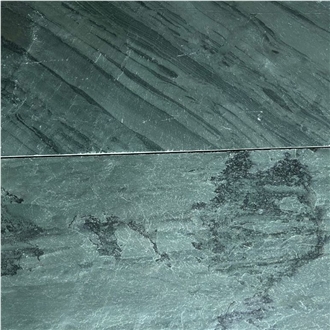
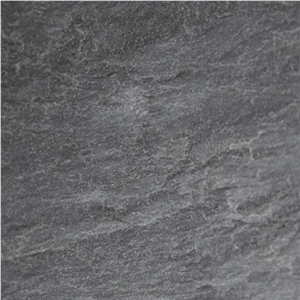
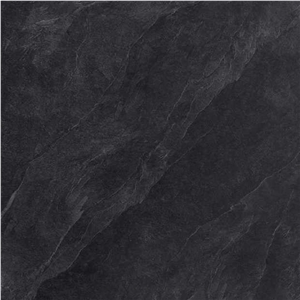
The Mahu Slate is a natural stone product quarried in India that is primarily used for roofing and wall cladding applications. It is known for its durability and resistance to harsh weather conditions. However, its usability in exterior applications in hot climates may depend on various factors such as the specific climatic conditions, installation method, and maintenance practices.
In general, natural stone products like the Mahu Slate can handle hot climates quite well due to their heat resistance properties. They have a high thermal mass, which allows them to absorb and dissipate heat effectively. This helps in maintaining a comfortable temperature in the surrounding areas.
However, its important to consider a few aspects when using Mahu Slate in hot climates:
1. Color: Light-colored stones tend to reflect heat better than dark-colored ones. Choosing lighter shades of Mahu Slate can help reduce heat absorption and keep the surfaces cooler.
2. Surface treatment: Applying a suitable surface treatment or coating on the slate can enhance its resistance to heat, UV radiation, and other environmental factors, thus increasing its lifespan in hot climates.
3. Installation: Proper installation techniques, including the use of appropriate adhesives, sealants, and fasteners, are crucial to ensure the durability and performance of the slate in hot climates. Adequate ventilation and drainage systems should also be implemented to prevent any issues arising from moisture buildup.
4. Maintenance: Regular cleaning and maintenance of the slate surfaces will help in keeping them in good condition and prevent any heat-related issues such as discoloration or cracking. It is also essential to periodically inspect the slate for any signs of damage and address them promptly.
In summary, the Mahu Slate can be used for exterior applications in hot climates, provided that the above considerations are taken into account. Consulting with experts or professionals in the field can provide more specific guidance based on the local climate and project requirements.


 India