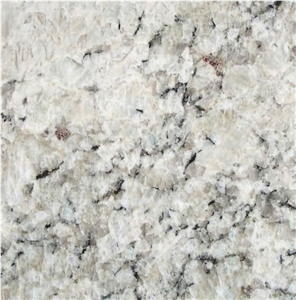
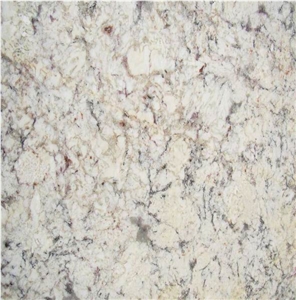
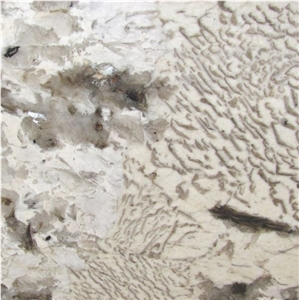
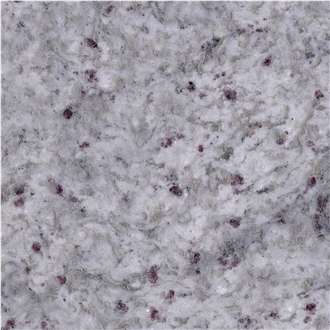
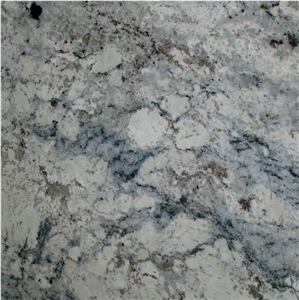
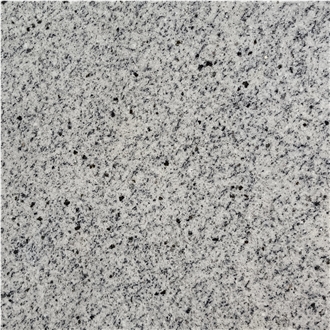
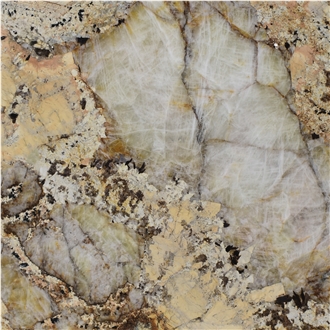
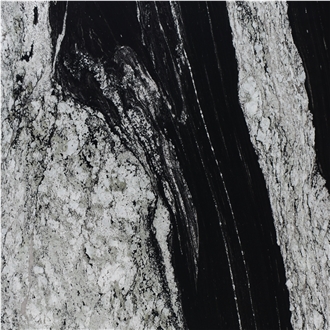
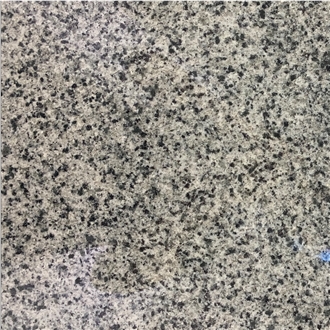
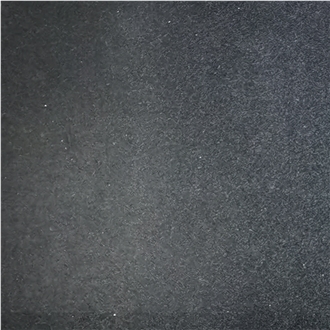
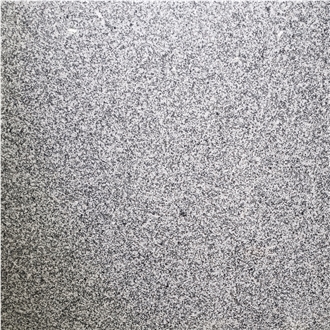
Labrador Granite is known for its durability and resistance to weathering, making it suitable for various applications, including exterior use. However, whether it can be effectively used in very humid climates depends on the specific conditions and maintenance practices.
In general, granite is a hard and dense stone that can withstand moisture and humidity relatively well. It is resistant to water absorption and has a low porosity, which helps prevent moisture-related damage such as cracking, staining, or mold growth. These characteristics make it suitable for outdoor applications.
Nevertheless, in very humid climates, there are a few factors to consider. Firstly, the presence of excessive moisture and humidity might increase the risk of moss, algae, or mildew growth on surfaces. Regular cleaning and maintenance can help prevent these issues.
Secondly, specific precautions may be needed if Labrador Granite is installed in areas with freeze-thaw cycles. Water absorption and subsequent freezing in the materials pores can potentially lead to damage over time. However, granite, in general, has good resistance to freeze-thaw damage, and proper installation techniques, including sealing the stone, can minimize any potential risks.
Lastly, its important to consider the quality and origin of the Labrador Granite. While Labrador Granite from China is generally known for its quality, there might be variations in the stones characteristics from different quarries or regions. It is advisable to consult with a reputable supplier or contractor who can provide detailed information about the specific type of Labrador Granite and its suitability for exterior use in very humid climates.
Overall, Labrador Granite can be a suitable choice for exterior applications in very humid climates, but proper maintenance, cleaning, and awareness of specific climate conditions are essential for ensuring its long-term durability.


 China