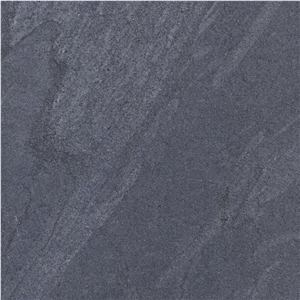
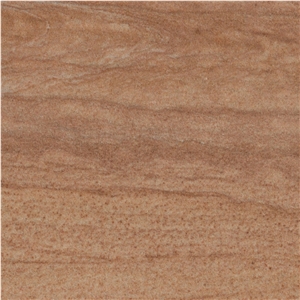
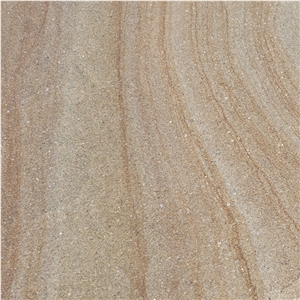
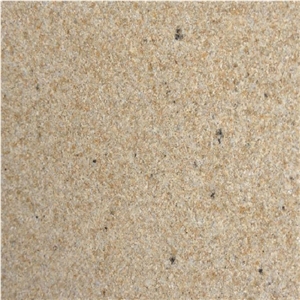
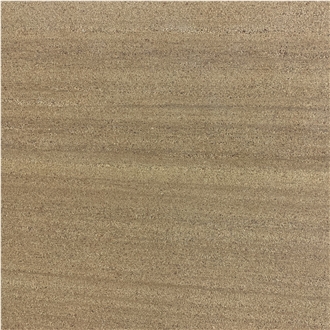
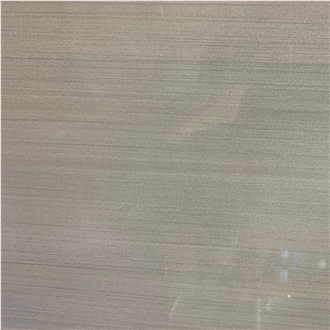
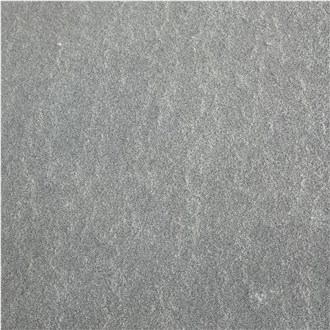
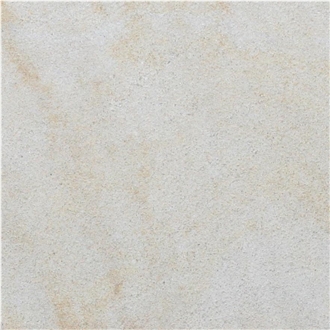
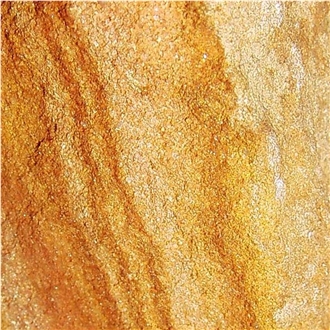
Forest Sandstone is a type of stone commonly used in Spain for various applications, including exteriors. While it can generally withstand different weather conditions, including humidity, its performance in very humid climates might depend on several factors.
Humidity can affect natural stone in different ways. In very humid climates, there is an increased risk of moisture seeping into the stone, which can lead to various issues such as the growth of mold, mildew, or moss. It can also cause the stone to degrade or discolor over time.
To ensure the suitability of Forest Sandstone for exterior applications in very humid climates, it is advisable to take certain precautions and considerations:
1. Sealing: Applying a quality sealer to the stone can help protect it from moisture absorption. A reputable sealer will act as a barrier and prevent excessive water penetration, reducing the risk of damage.
2. Maintenance: Regular cleaning and maintenance will be necessary to prevent the growth of mold or mildew, especially in areas with high humidity. This is particularly important for stone surfaces that are constantly exposed to moisture, such as outdoor flooring or walls near water sources.
3. Correct installation: Proper installation by experienced professionals is crucial to ensure water drainage and ventilation systems are correctly implemented. This will help minimize water buildup behind the stone and prevent potential damage.
4. Climate-specific considerations: Its essential to select stone types and finishes that are known to perform well in humid climates. Consulting with local architects, builders, or stone suppliers experienced in the specific climate conditions can provide valuable insights into suitable stone choices.
While Forest Sandstone can be used in exterior applications in very humid climates, it is important to properly assess the individual circumstances and take necessary precautions to ensure its long-term durability and aesthetic appeal.



 Spain
Spain