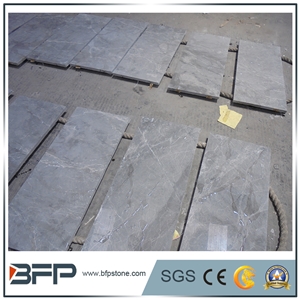
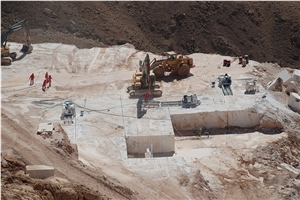
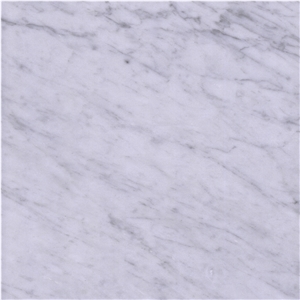
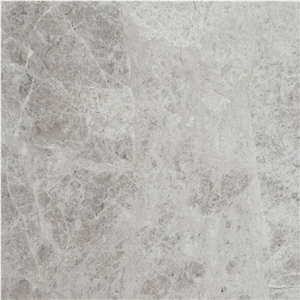
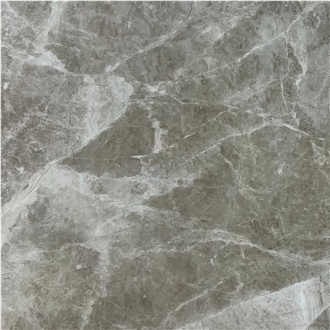
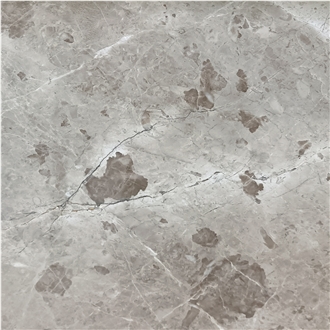
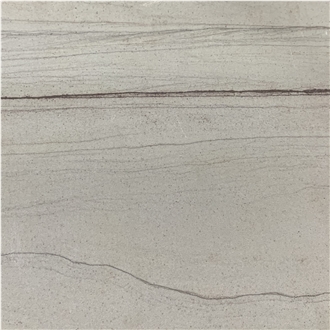
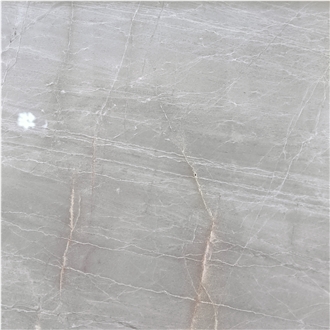
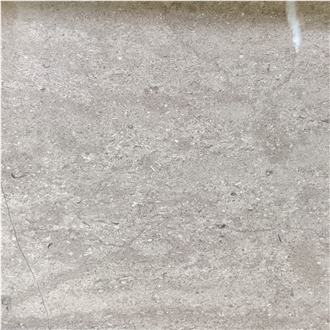
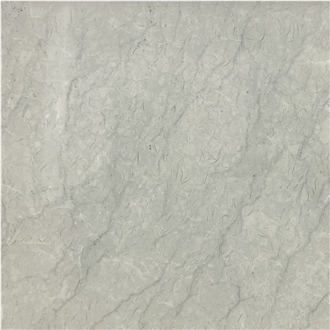
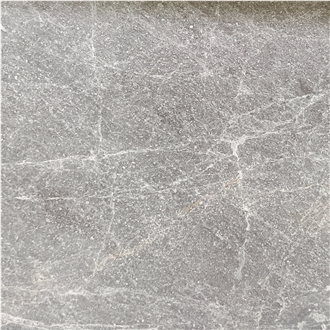
Omans Delicate Grey Marble is a beautiful and high-quality material, commonly used for interior applications such as flooring, wall cladding, and countertops. However, when it comes to exterior applications in very rainy climates, there are a few factors to consider:
1. Porosity: Marble is a porous natural stone, which means it can absorb water. In very rainy climates, where the material is constantly exposed to rain, snow, and moisture, the marble may absorb water over time, leading to discoloration, cracks, or damage.
2. Freeze-thaw cycles: In regions with very rainy climates and colder temperatures, freeze-thaw cycles can occur. When water enters the pores of the marble and freezes, it expands and can cause cracking or spalling of the surface.
3. Appearance: Exterior marble surfaces are more prone to weathering and staining compared to interior applications. Rain can leave mineral deposits, dirt, or other impurities on the surface, potentially affecting its appearance.
Considering these factors, it is generally recommended to use more durable and less porous materials for exterior applications in very rainy climates, such as granite, porcelain, or certain types of engineered stone. These materials are better equipped to handle the moisture and harsh conditions, ensuring long-term durability and minimal maintenance.


 Oman
Oman