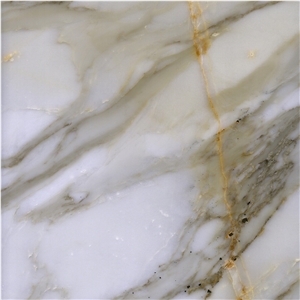
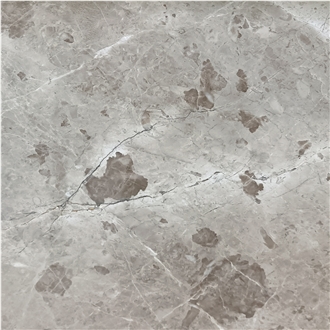
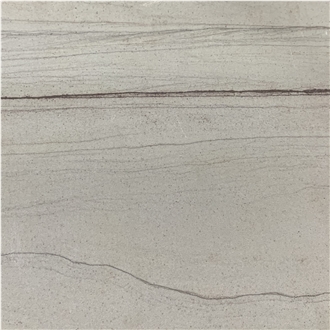
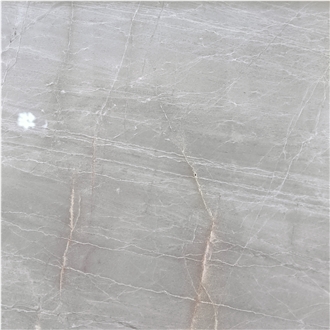
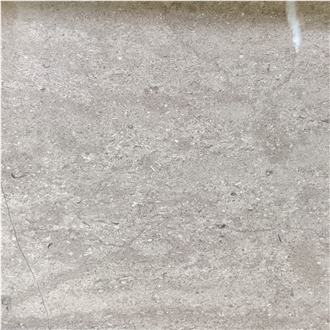
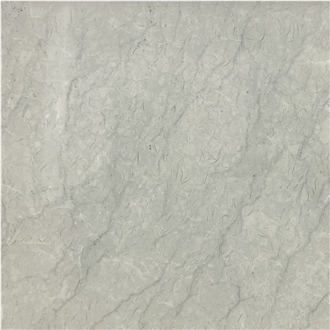
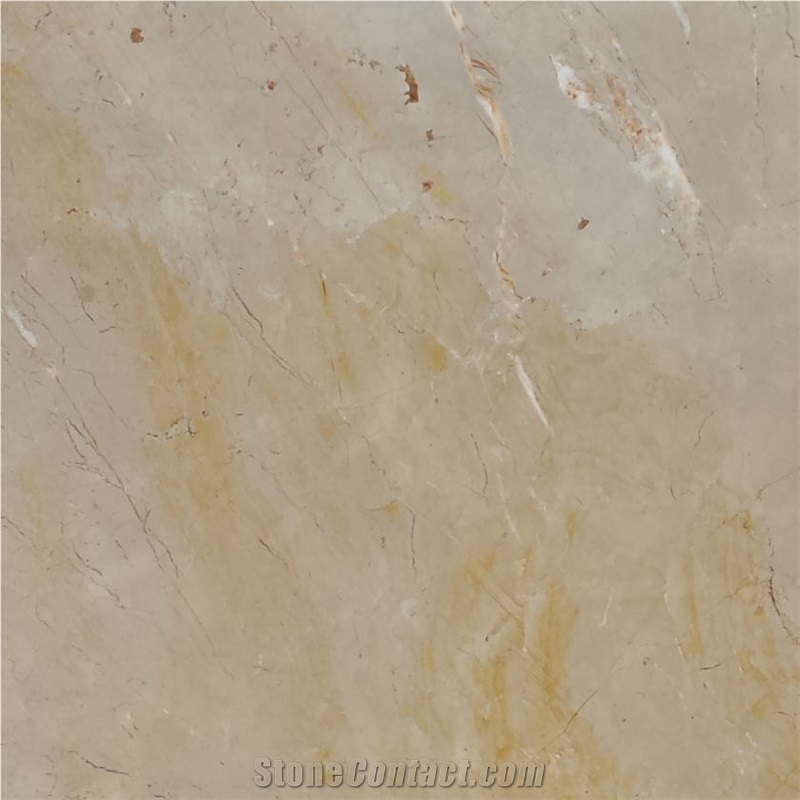
Crema San Roque Marble is a natural stone that is known for its creamy beige color and elegant appearance. While it can be used in exterior applications, its suitability for cold climates may depend on a few factors.
1. Porosity: Marble is a porous material, meaning it can absorb moisture. In cold climates with freeze-thaw cycles, water that enters the stone pores can freeze and expand, potentially causing the stone to crack or spall. It is essential to choose a high-quality Crema San Roque Marble that has low porosity and is resistant to freeze-thaw damage.
2. Durability: Marble is not as durable as some other natural stones like granite or quartzite. It is more susceptible to scratching, staining, and weathering. In cold climates with harsh weather conditions, such as heavy snowfall, icy conditions, or exposure to de-icing agents, the marble may deteriorate more quickly. Regular maintenance, sealing, and protective measures can help mitigate these issues.
3. Slip Resistance: When using any stone for exterior applications, it is important to consider slip resistance, especially in cold and wet conditions. The polished or honed surface of Crema San Roque Marble may become slippery when wet, creating a potential safety hazard. Selecting a textured or brushed finish that enhances traction can help make it safer for exterior use.
To ensure the suitability of Crema San Roque Marble for your specific cold climate application, it is advisable to consult with professionals, such as architects, contractors, or stone suppliers, who have experience in selecting and installing natural stones in similar conditions. They can provide specific recommendations and guidance based on the project requirements and environmental factors.


 Spain
Spain