Post Your Needs

Calacatta Classico Marble

About

Material Type:
Marble
Origin:
Italy (Provincia di Massa Carrara, Toscana)
Primary Color(s):
White
Recommended Usage:
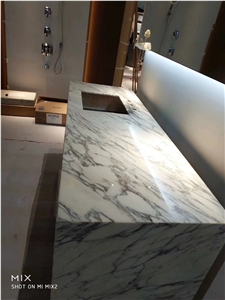
Kitchen and bathroom countertops, monuments, building stone, ornamental stone, stairs, interior, exterior wall and floor applications, mosaic, waterjet pattern, wall panels, table tops, window sills, balustrades, columns, wall and pool copings, pool pavers, sculptures, fireplaces
Additional Names:
Calacatta Extra Marble, Calacatta Vision Marble, Calacatta Marble, Calacatta Carrara Marble, Calacatta White Marble, in China stone market:卡拉卡塔(Kǎlā kǎ tǎ), Calacatta Classico Marble
Finished Surface:
Polished,Bush Hammered,Tumbled,Brushed,Honed,Split,Machine Cut,Natural Surface,Sandblasted,Combed,Leathered,Water Jet,Filled,Chiseled,Pickling

Testing

Water Absorption:
0.12 – 0.15 %
Density:
2710 kg/m3
Flexural Strength:
18.3 MPa
Compressive Strength:
139.0 - 150.0 MPa

Description

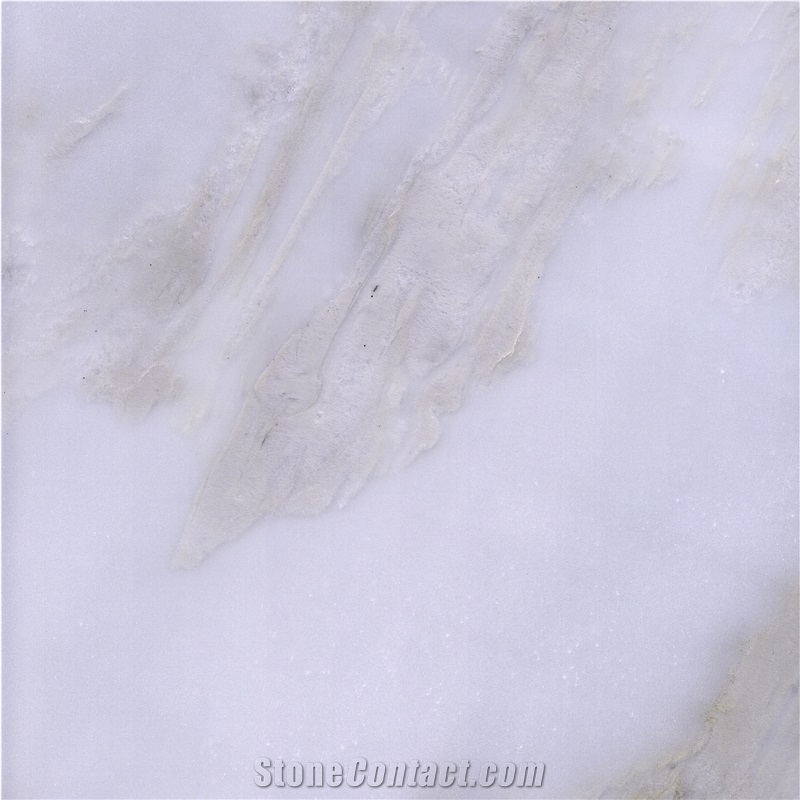
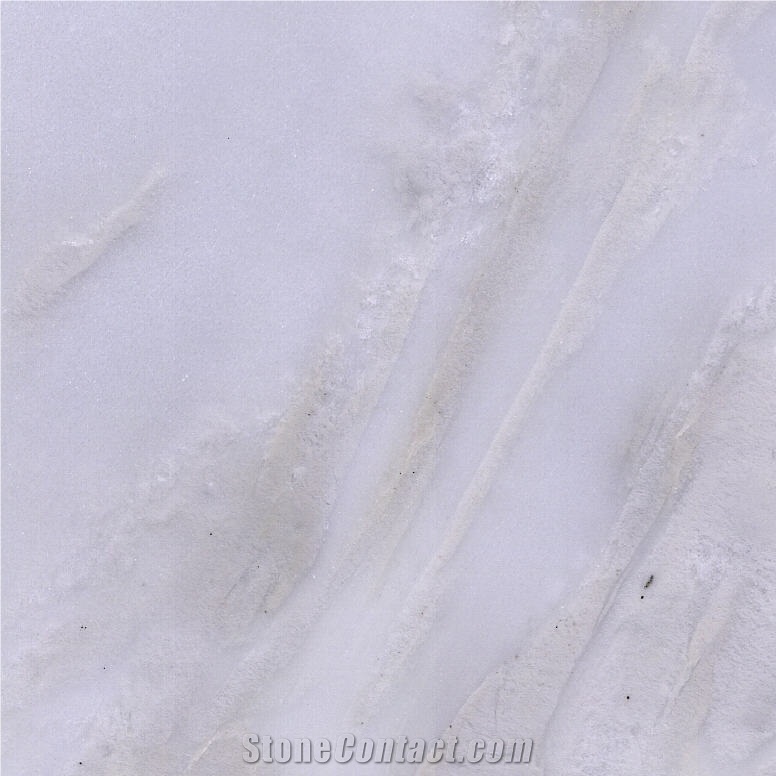
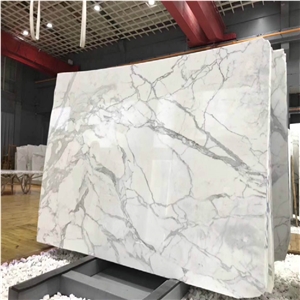
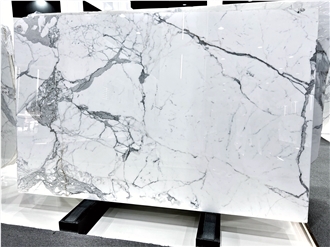
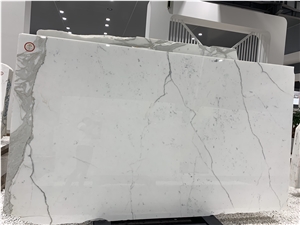
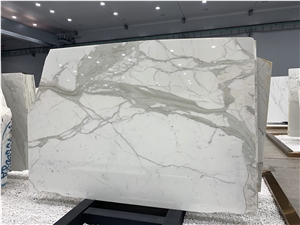
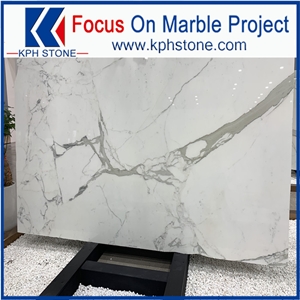
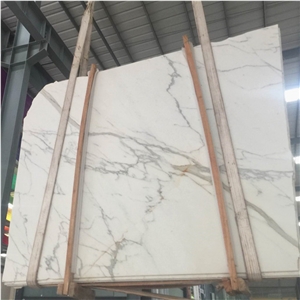
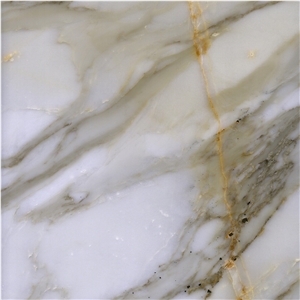
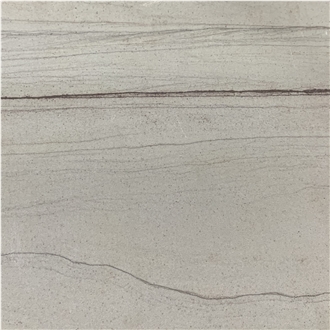
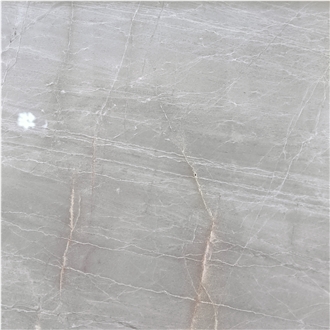
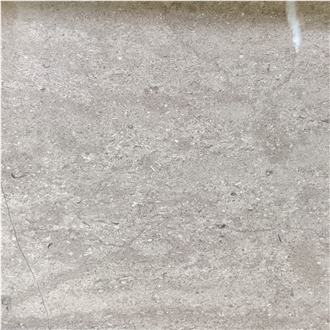
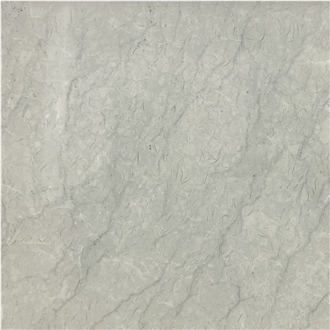
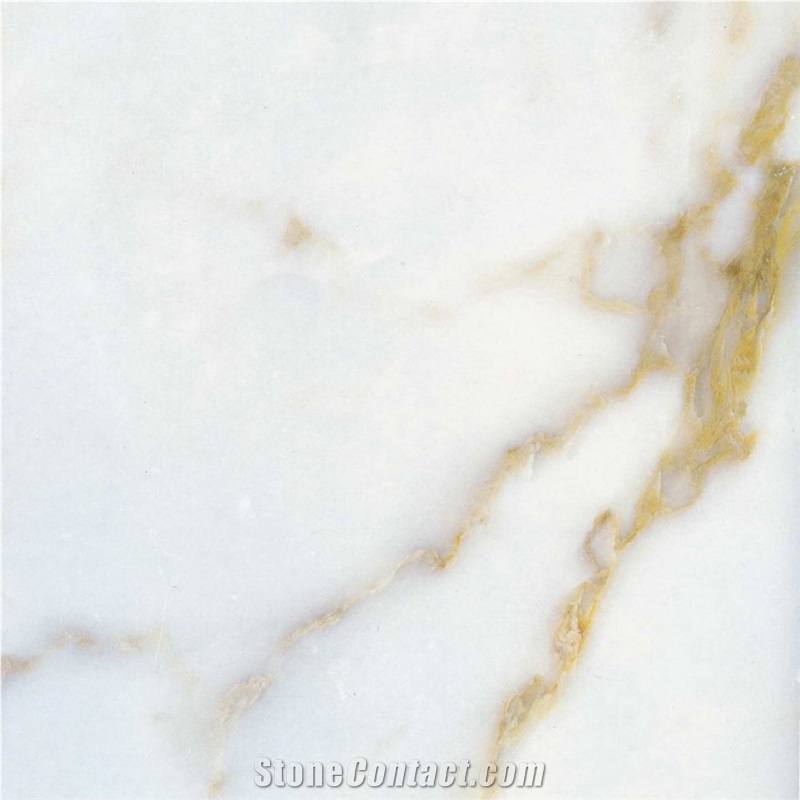
Calacatta Classico Marble is a luxurious natural stone known for its timeless beauty and elegance. Quarried in Provincia di Massa Carrara, Toscana, Italy, this marble exhibits a warm pure white base that serves as a canvas for its exquisite veining. The veining is characterized by a free-flowing pattern of differing sizes, creating a dynamic and visually appealing surface.

Soft grey and golden beige color shades intermingle within the veining, adding depth and warmth to the overall aesthetic. The combination of the white background and the contrasting veining results in a marble that exudes sophistication and classic charm. Calacatta Classico Marble is a sought-after choice for various architectural and design applications, bringing a touch of luxury and refinement to any space.

FAQ

What percentage of water does Calacatta Classico Marble absorb?

Calacatta Classico Marble typically absorbs less than 0.10% of water.
Read question details

Is vinegar ok to use on Calacatta Classico Marble countertop?

It is not recommended to use vinegar on Calacatta Classico Marble countertops as it is an acidic substance that can etch and damage the surface of the marble. It is best to use a gentle pH-neutral cleaner specially formulated for marble surfaces to clean and maintain the beauty of your countertop.
Read question details

Is polished Calacatta Classico Marble slippery for stairs?

Polished Calacatta Classico Marble can be slippery for stairs, especially when wet. It is recommended to apply a non-slip treatment or add a carpet runner to help prevent slips and falls on stairs made from this material.
Read question details

Can I put Calacatta Classico Marble on stairs?

Yes, you can use Calacatta Classico Marble on stairs. Marble is a popular choice for stairs as it is durable, beautiful, and easy to clean. Just make sure that the marble is sealed properly to prevent staining and maintain its appearance over time. Additionally, consider adding a non-slip surface to the stairs to prevent slipping accidents.
Read question details

Does slab backsplash have to match Calacatta Classico Marble countertop?

Slab backsplash does not have to match the Calacatta Classico Marble countertop. In fact, mixing different materials and colors can create a visually interesting and dynamic look in the kitchen or bathroom. However, it is important to ensure that the different elements coordinate and complement each other to create a cohesive design aesthetic. It is recommended to choose a backsplash that either complements or contrasts with the countertop to achieve the desired effect.
Read question details

Should backsplash be lighter or darker than Calacatta Classico Marble countertop?

It ultimately depends on personal preference and the overall aesthetic you are trying to achieve. A lighter backsplash can create a brighter and more cohesive look, while a darker backsplash can add contrast and visual interest to the space. It is recommended to bring samples of both the Calacatta Classico Marble countertop and potential backsplash options to see how they look together in your specific space before making a decision.
Read question details

What backsplash goes with Calacatta Classico Marble countertops?

Some options for a backsplash that would complement Calacatta Classico Marble countertops include: 1. Subway tiles in a soft, neutral color such as white or light gray. 2. Arabesque tiles in a coordinating color such as soft blue or pale green. 3. Glass mosaic tiles in a subtle pattern that picks up the veining in the marble. 4. Penny tiles in a metallic finish, such as brushed nickel or copper, for a modern touch. 5. Solid colored ceramic tiles in a color that contrasts with the marble, such as navy blue or black, for a bold statement.
Read question details

Is Calacatta Classico Marble good for kitchen countertops?

Yes, Calacatta Classico Marble is a popular choice for kitchen countertops due to its luxurious appearance, durability, and heat resistance. It is a high-quality marble that adds elegance and sophistication to any kitchen space. However, it is important to note that marble is a porous material and may require more maintenance than other countertop materials such as granite or quartz. Sealing the marble regularly and avoiding staining substances like acidic liquids can help to maintain the beauty of the Calacatta Classico Marble countertops.
Read question details

Does Calacatta Classico need to be sealed?

Calacatta Classico is a type of Italian marble that is generally recommended to be sealed. Sealing helps protect the marble from stains, spills, and other potential damage. It is important to note that each slab of Calacatta Classico may have different characteristics, so it is advisable to consult with a professional or the supplier for specific care instructions and recommendations for sealing.
Read question details

How do you maintain Calacatta Classico?

To maintain Calacatta Classico, follow these steps: 1. Clean spills immediately: Wipe away any spills on the surface as soon as possible to prevent staining. Use a soft, non-abrasive cloth or sponge and a pH-neutral cleaner to gently remove the spill. 2. Regular cleaning: Clean the surface regularly with a mild soap or pH-neutral cleaner and warm water. Avoid using harsh chemicals or abrasive cleaners as they may damage the stone. Wipe the surface with a soft cloth or sponge, and rinse thoroughly. 3. Avoid acidic substances: Calacatta Classico is prone to etching when it comes in contact with acidic substances like citrus juices, vinegar, and some cleaning products. Avoid using these substances directly on the surface. If an acidic spill occurs, clean it immediately. 4. Use coasters and cutting boards: Place coasters or mats under glasses, bottles, and hot containers to prevent any direct contact with the stone. Use cutting boards or mats while working with knives or sharp objects to protect the surface from scratches. 5. Seal the stone: While Calacatta Classico is a less porous marble compared to others, it is still recommended to seal the surfaces periodically to provide additional protection against stains and etching. Follow the manufacturers instructions when applying the sealer. 6. Avoid using rough materials: Avoid using abrasive scrubbing pads or rough materials on the surface as they can scratch or damage the stone. Stick to soft cloths or sponges for cleaning. 7. Protect from direct sunlight: Prolonged exposure to direct sunlight can cause fading or discoloration of the stone. If possible, use curtains or blinds to shield the stone from direct sunlight, especially in areas with large windows. 8. Regular maintenance: Regularly inspect the surface for any signs of damage or wear. If you notice any cracks, chips, or deep stains, contact a professional stone restoration specialist to address the issue. By following these maintenance tips, you can keep your Calacatta Classico looking beautiful and preserve its natural elegance for years to come.
Read question details

Products & Prices

Hot Marble

New Marble

Post Your Request

The request includes:
  1. surface finished, size
  2. quantity required