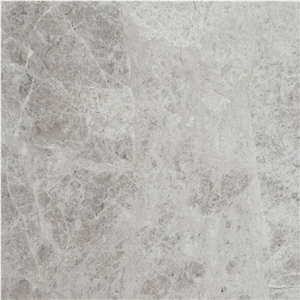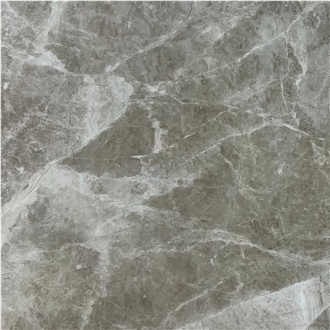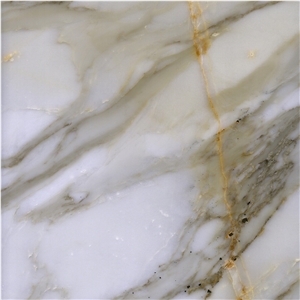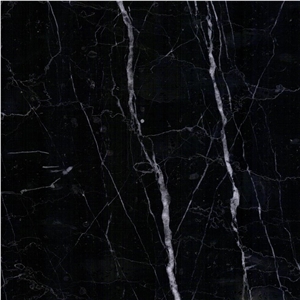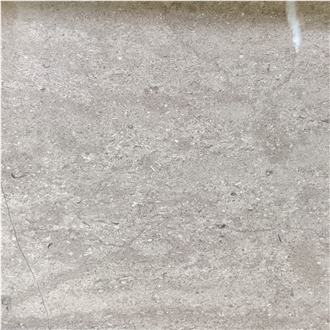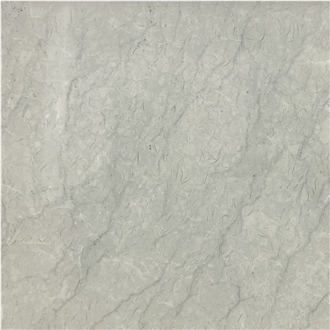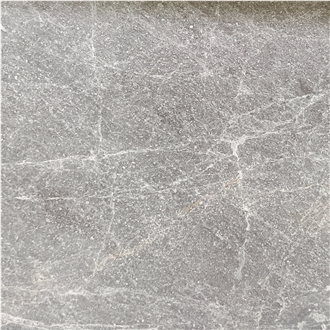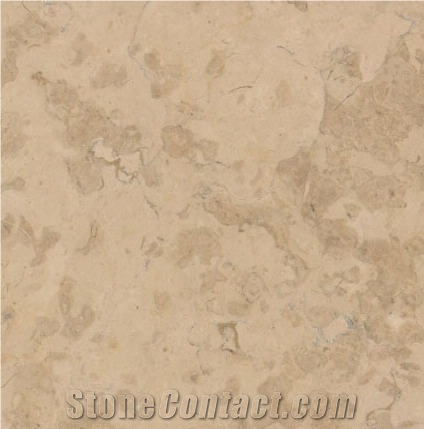
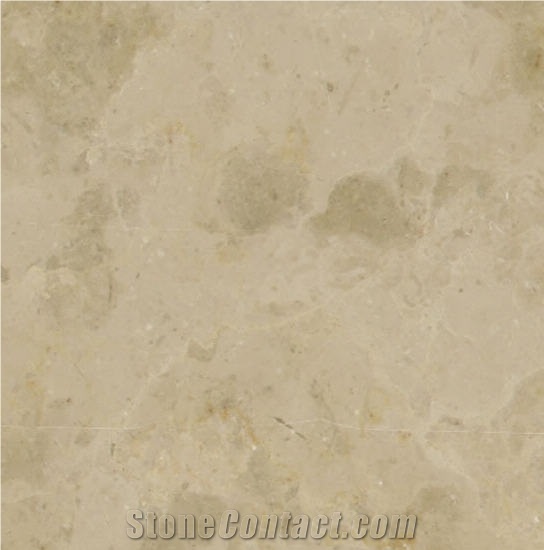
 Croatia
 Can Croatia's Bale Marble be used exterior applications in very windy climates?
Croatias Bale Marble is a popular type of natural stone known for its beautiful appearance and durability. Its resistance to weathering and frost makes it suitable for various exterior applications, including in windy climates. However, when considering the use of any material in such conditions, there are a few factors to keep in mind:
1. Strength: Bale Marble is relatively strong and can withstand wind and other environmental forces. However, it is important to select the appropriate thickness and ensure proper installation techniques to enhance its overall strength and stability.
2. Sealants: Applying a suitable sealant or protective coating can offer additional protection against wind-driven rain, moisture, and potential damage caused by prolonged exposure to harsh weather conditions. Regular maintenance and resealing may also be required to maintain the stones integrity over time.
3. Professional Installation: Proper installation by experienced professionals is crucial to ensure the stone is securely fixed and resistant to wind-induced vibrations and movements. Adequate anchoring and support mechanisms should be utilized during installation to enhance the stones ability to withstand high winds.
4. Structural Considerations: The specific structural requirements of the project and the level of wind exposure in the area should be taken into account during the design phase. Consultation with architects, engineers, or other experts is advisable to determine the suitability of Croatias Bale Marble for the specific application and wind conditions.
While Croatias Bale Marble can generally be used in exterior applications in windy climates, it is essential to consider these factors and seek professional advice to ensure its long-term performance and aesthetic appeal.