Post Your Needs

Atlantic Grey Marble

About

Material Type:
Marble
Origin:
Turkey
Primary Color(s):
Grey
Recommended Usage:
Kitchen and bathroom countertops, monuments, building stone, ornamental stone, stairs, interior, exterior wall and floor applications, mosaic, waterjet pattern, wall panels, table tops, window sills, wall and pool copings, pool pavers
Additional Names:
Atlantic Gray Marble, Grey Atlantic Marble, Atlantic Platinum Marble, in China stone market: 大西洋灰(Dàxīyáng huī), Atlantic Grey Marble
Finished Surface:
Polished,Bush Hammered,Tumbled,Brushed,Honed,Split,Machine Cut,Natural Surface,Sandblasted,Combed,Water Jet,Filled,Chiseled,Pickling

Testing

Water Absorption:
0.38% by weight
Density:
2710 kg/m³
Flexural Strength:
33.2 MPa
Compressive Strength:
184�C185 MPa

Description

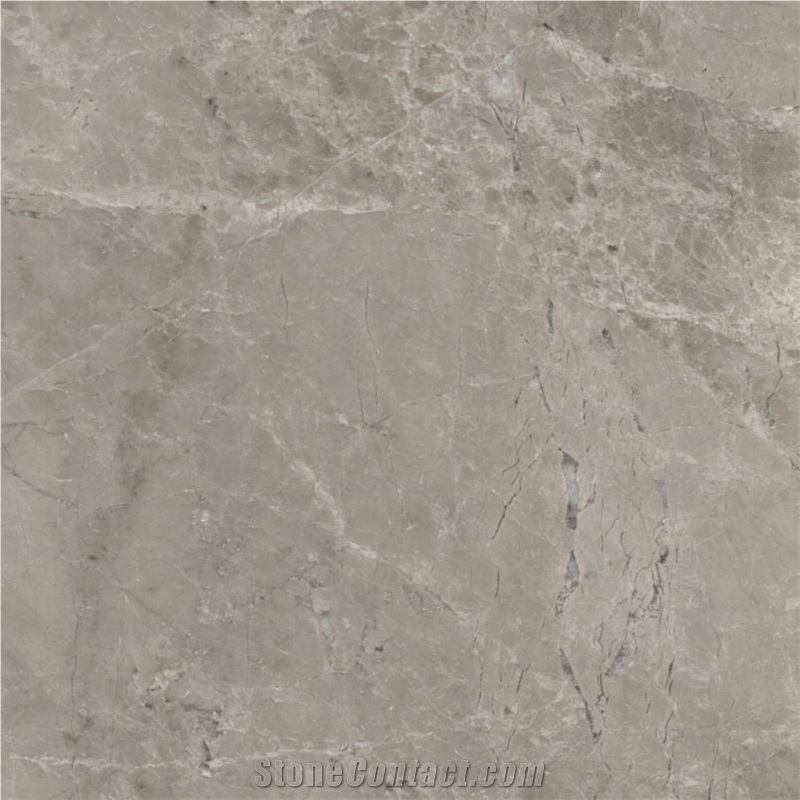
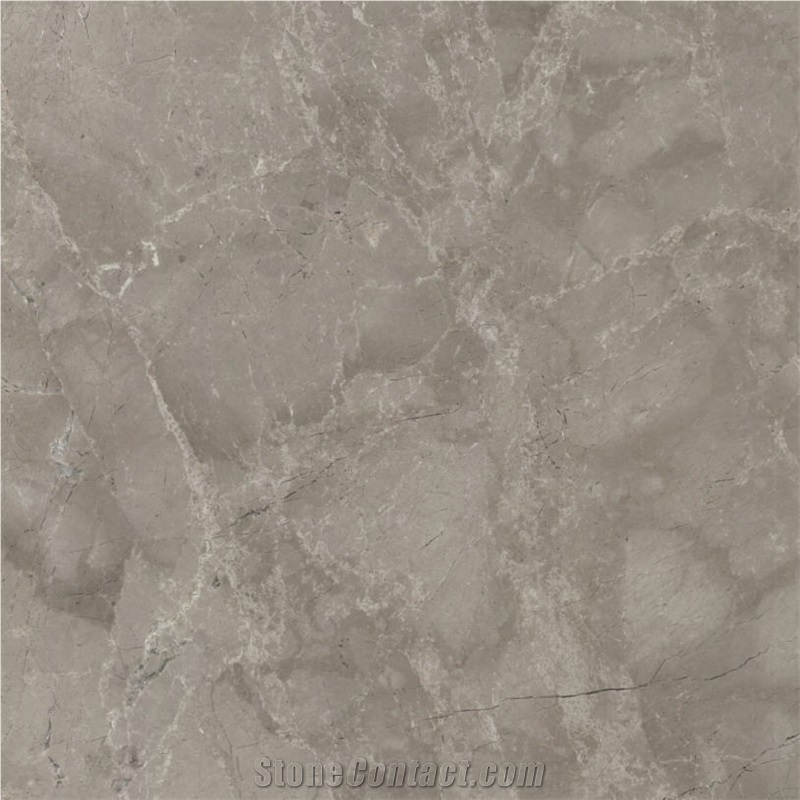
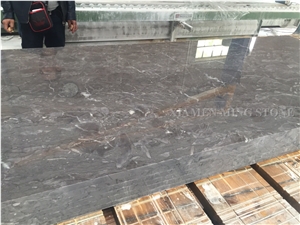
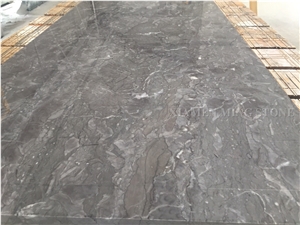
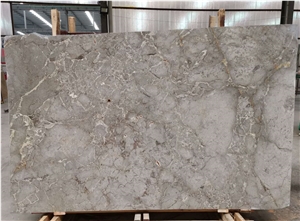
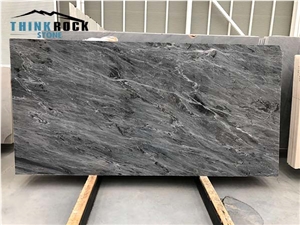
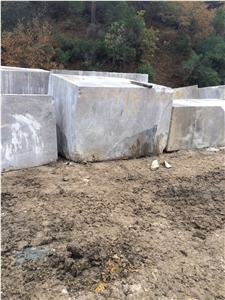
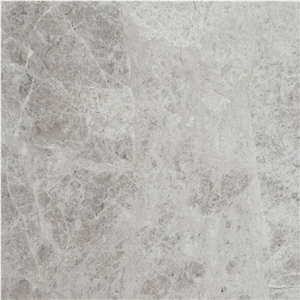
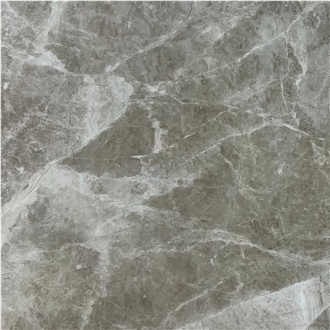
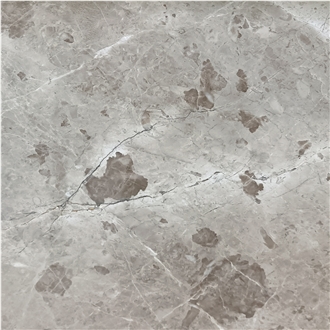
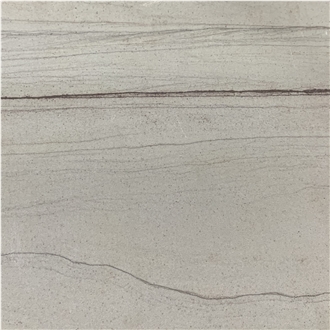
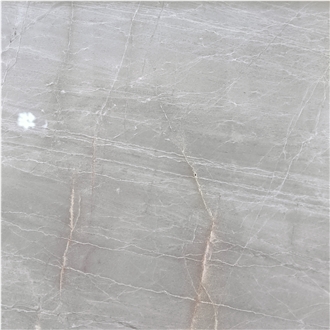
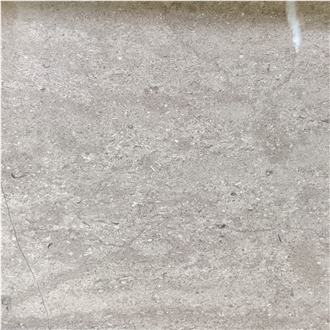
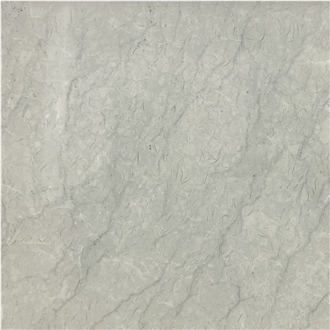
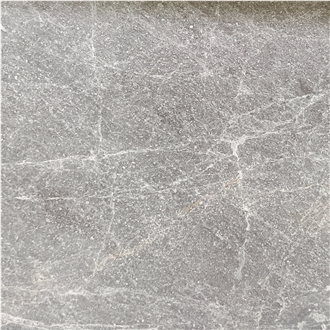
Atlantic Grey Marble is a captivating natural stone known for its earthy gray coloration with distinctive white quartz streaks and subtle light gray hues. Quarried in Turkey, this marble variety is highly regarded for its elegant appearance and versatility in architectural and design applications. Here's a detailed description:

Color Palette:

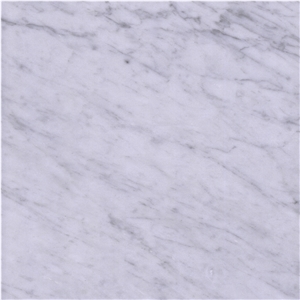
Atlantic Grey Marble features a dominant earthy gray base color that evokes a sense of natural beauty and tranquility. Interwoven within this primary hue are striking white quartz streaks that create a stunning visual contrast. Additionally, you may notice subtle light gray hues, adding depth and complexity to the overall color palette.

Texture and Veining:

The texture of Atlantic Grey Marble is typically fine-grained, offering a smooth and polished surface that exudes sophistication. The marble's most distinctive feature is its prominent white quartz streaks, which can vary in thickness and distribution. These streaks often meander across the surface, creating dynamic and eye-catching patterns.

Origin:

Atlantic Grey Marble is quarried in Turkey, a region renowned for its rich and diverse natural stone resources. The geological processes specific to this area have contributed to the stone's unique coloration, texture, and the presence of striking quartz veining.

Durability:

This marble variety is valued for its durability and is suitable for various indoor applications. When properly maintained, it can maintain its beauty and integrity for many years, making it an excellent choice for projects that demand both aesthetics and longevity.

Physical & Mechanical Properties

  • Water Absorption: 0.38% (by weight)
  • Density: 2710 kg/m³ (2.71 g/cm³)
  • Flexural Strength: 33.2 MPa
  • Compressive Strength: 184–185 MPa
  • Hardness: Mohs scale approximately 3–4, suitable for both residential and commercial applications
  • Porosity: Low to moderate, requiring routine sealing for stain resistance and longevity
  • Slip Resistance: Polished finish has lower slip resistance, suited for dry interior areas. Sandblasted, brushed, leathered finishes improve grip, suitable for wet or exterior use

Chemical & Mineral Composition (% by weight, typical)

  • Calcite (CaCO3): ~90–95%
  • Quartz (SiO2): 2–5% (responsible for the distinct white streaks)
  • Dolomite: ~1–3%
  • Mica, Feldspar: ~1–2%
  • Iron oxides & other trace minerals: ~0.5–1%

Applications:

Atlantic Grey Marble's striking appearance and versatility make it a preferred material for a wide range of architectural and design projects, including:

  1. Flooring: It is a popular choice for flooring in residential and commercial spaces, where its polished surface adds a touch of luxury and sophistication.
  2. Interior Cladding: The marble is used for interior wall cladding, creating a visually captivating backdrop in areas such as living rooms, kitchens, and bathrooms.
  3. Countertops: Atlantic Grey Marble is often selected for kitchen and bathroom countertops, where its beauty and durability make it a functional and aesthetically pleasing choice.
  4. Fireplace Surrounds: The marble is employed to create fireplace surrounds, adding a sense of elegance and warmth to living spaces.
  5. Decorative Elements: It can be fashioned into decorative elements such as columns, molding, and intricate patterns, enhancing the overall design of interiors.

Aesthetic Appeal:

Atlantic Grey Marble's earthy gray base color, accentuated by the striking white quartz streaks and light gray hues, creates a sense of natural beauty and sophistication. Its dynamic appearance allows it to complement various architectural styles, from traditional to contemporary, making it an ideal choice for those seeking a marble that exudes character and elegance.

In summary, Atlantic Grey Marble is an earth gray with white quartz streaks and light gray hues marble quarried in Turkey. Its captivating appearance, durability, and versatile color palette make it a favored choice among architects, designers, and homeowners looking to incorporate natural marble into their construction and design projects, creating spaces that showcase both natural beauty and timeless elegance.

FAQ

Does the surface of Atlantic Grey Marble countertop scratch easily?

Atlantic Grey Marble is a natural stone that is known for its elegance and durability, but like all types of marble, it is vulnerable to scratching. The surface of Atlantic Grey Marble countertop can scratch easily if proper care and maintenance are not followed. It is important to avoid placing sharp or abrasive objects directly on the surface, as well as using harsh chemicals or abrasive cleaners when cleaning the countertop. Additionally, it is recommended to use cutting boards and trivets to protect the surface from scratches and heat damage. With proper care and maintenance, an Atlantic Grey Marble countertop can remain beautiful and scratch-free for many years.
Read question details

Can glossy polished Atlantic Grey Marble be used for swimming pool terrace?

Yes, glossy polished Atlantic Grey Marble can be used for a swimming pool terrace. However, it is important to note that marble can be slippery when wet, so it is important to take precautions to prevent slipping accidents. Adding a non-slip coating to the marble surface or placing rugs or mats in high traffic areas can help increase traction and prevent accidents. Additionally, marble can be prone to staining and etching from pool chemicals and water, so proper sealing and maintenance will be necessary to ensure the longevity and beauty of the marble.
Read question details

How can I remove mold from Atlantic Grey Marble wall tiles?

1. Mix a solution of equal parts water and distilled white vinegar in a spray bottle. 2. Spray the solution onto the affected areas of the Atlantic Grey Marble wall tiles. 3. Let the solution sit for at least 15 minutes to allow it to penetrate and break down the mold. 4. Scrub the moldy areas with a soft-bristled brush or sponge to remove the mold and loosen any stubborn spots. 5. Rinse the tiles thoroughly with clean water to remove any remaining mold and vinegar solution. 6. Dry the tiles completely with a clean towel or cloth to prevent mold from regrowing. 7. If the mold persists, you can also try using a commercial mold and mildew remover specifically designed for use on marble surfaces. Follow the manufacturers instructions carefully. 8. To prevent mold from returning, be sure to keep the tiles clean and dry, and maintain proper ventilation in the area to prevent excess moisture buildup.
Read question details

Does Atlantic Grey Marble bathroom wall mosaic tiles need to be sealed?

Yes, Atlantic Grey Marble bathroom wall mosaic tiles should be sealed to protect against stains, moisture penetration, and to enhance the natural beauty of the marble. Sealing the tiles will also make them easier to clean and maintain over time. It is recommended to seal marble tiles periodically, depending on the level of usage and exposure to moisture.
Read question details

How can I clean Atlantic Grey Marble mosaic tiles?

To clean Atlantic Grey Marble mosaic tiles, follow these steps: 1. Start by removing any loose dirt or debris from the tiles by sweeping or vacuuming the surface. 2. Mix a gentle cleaning solution of warm water and a mild dish soap or pH-neutral cleaner. 3. Use a soft sponge or cloth to apply the cleaning solution to the tiles, working in small sections at a time. 4. Gently scrub the tiles in a circular motion to remove any dirt or grime. Avoid using abrasive cleaners or scrubbing pads as they can damage the surface of the marble. 5. Rinse the tiles thoroughly with clean water to remove any soap residue. 6. Dry the tiles with a clean and dry cloth to prevent water spots or streaks. 7. For tougher stains or grime, you can also try using a specialized marble cleaner or a mixture of baking soda and water to create a paste. Apply the paste to the stained area, let it sit for a few minutes, and then gently scrub and rinse. 8. To maintain the shine and luster of the marble tiles, you can also apply a marble sealer after cleaning to protect the surface from stains and moisture. By following these steps, you can effectively clean and maintain your Atlantic Grey Marble mosaic tiles, keeping them looking beautiful and pristine for years to come.
Read question details

How can I clean the grout of Atlantic Grey Marble tumbled finish wall tiles?

To clean the grout of Atlantic Grey Marble tumbled finish wall tiles, you can follow these steps: 1. Start by vacuuming or sweeping the grout lines to remove loose dirt and debris. 2. Mix a solution of warm water and mild detergent or a specially formulated grout cleaner. Avoid using harsh chemicals or acidic cleaners as they can damage the marble. 3. Apply the cleaning solution to the grout lines using a scrub brush or an old toothbrush. Gently scrub the grout in a circular motion to help loosen dirt and stains. 4. Let the cleaning solution sit on the grout lines for a few minutes to allow it to penetrate and break down any grime. 5. Rinse the grout lines thoroughly with clean water to remove the cleaning solution and dirt. 6. Use a clean cloth or sponge to wipe down the marble tiles to remove any remaining residue. 7. For tougher stains, you can also try using a paste of baking soda and water or a mixture of vinegar and water. Apply the paste to the grout lines, let it sit for a few minutes, then scrub and rinse as usual. 8. Once the grout is clean, you can also consider applying a grout sealer to help protect and maintain the cleanliness of the grout lines. Remember to always test any cleaning solution on a small, inconspicuous area before applying it to the entire grout lines to ensure it does not damage the marble tiles.
Read question details

I have a Atlantic Grey Marble countertop with a vein that looks broken. Should I glue it?

If the vein in your Atlantic Grey Marble countertop looks broken, it is recommended to consult with a professional stone fabricator or countertop installer before attempting any repairs. Gluing the vein yourself may result in further damage or an unsightly repair. A professional will be able to assess the damage and provide the best advice on how to fix it properly.
Read question details

Can 2cm thickness Atlantic Grey Marble be used for kitchen countertop?

Yes, a 2cm thickness of Atlantic Grey Marble can be used for a kitchen countertop. However, it is important to keep in mind that marble is a softer and more porous stone compared to other countertop materials, so it may require more maintenance and care to prevent staining and scratching. Additionally, the thinner thickness may make the marble more prone to cracking or chipping over time. It is recommended to consult with a professional stone supplier or installer to determine if Atlantic Grey Marble is suitable for your specific kitchen countertop needs.
Read question details

How can I repair the scratched surface of the Atlantic Grey Marble steps?

To repair the scratched surface of Atlantic Grey Marble steps, you can follow these steps: 1. Clean the surface: Start by cleaning the scratched area with a mild soap and water solution. Use a soft cloth or sponge to gently scrub the surface and remove any dirt or debris that may be trapped in the scratches. 2. Sanding: If the scratches are deep, you may need to lightly sand the surface to smooth out the imperfections. Use a fine-grit sandpaper and gently sand the scratched area in a circular motion until the scratches are no longer visible. 3. Polishing: After sanding, you can polish the surface to restore the shine and smoothness of the marble. Use a marble polishing compound and a buffing pad to buff the scratched area until it blends in with the rest of the surface. 4. Sealing: Finally, apply a marble sealer to protect the repaired area from future scratches and stains. Follow the manufacturers instructions for application and allow the sealer to dry thoroughly before using the steps. By following these steps, you can effectively repair the scratched surface of your Atlantic Grey Marble steps and restore their appearance to their original beauty.
Read question details

Is Atlantic Grey Marble with a glossy polished surface good for house flooring?

Yes, Atlantic Grey Marble with a glossy polished surface can be a good option for house flooring. It is a durable and high-quality material that can add elegance and sophistication to any room. The glossy finish will also help to reflect light and create a more visually appealing space. Just keep in mind that marble can be more prone to scratching and staining compared to other types of flooring, so proper care and maintenance will be necessary to keep it looking its best.
Read question details

Products & Prices

Hot Marble

New Marble

Post Your Request

The request includes:
  1. surface finished, size
  2. quantity required