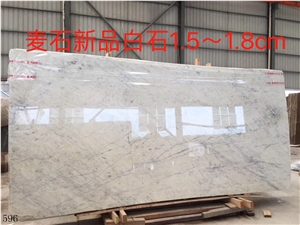
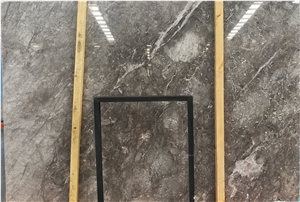
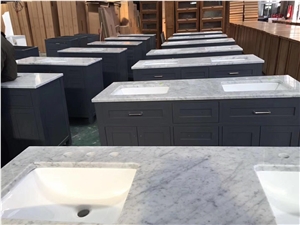
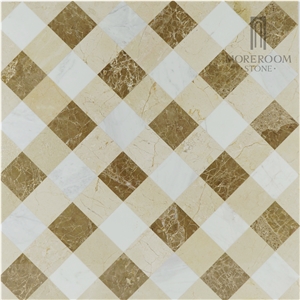
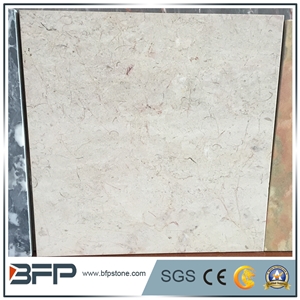
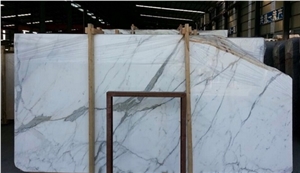
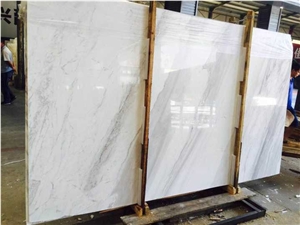
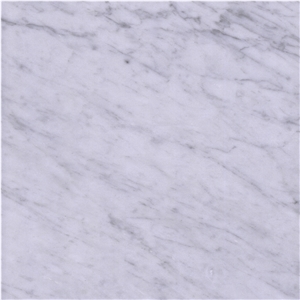
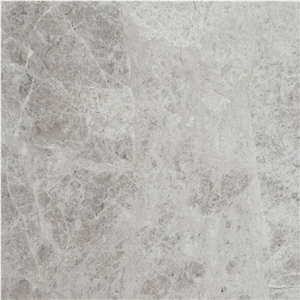
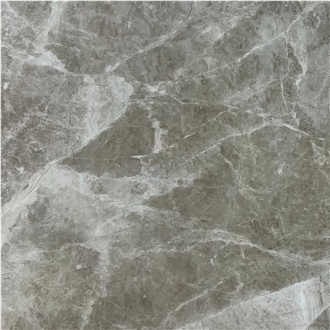
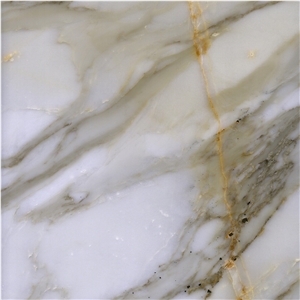
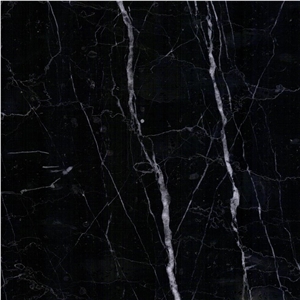
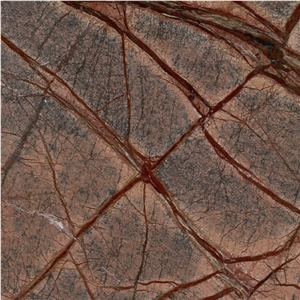
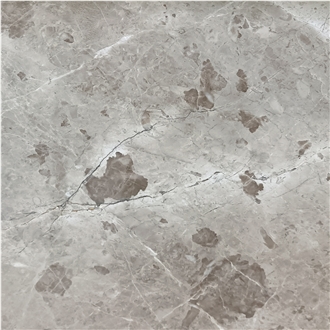
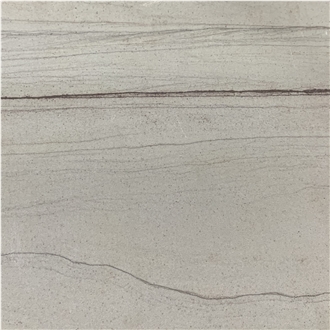
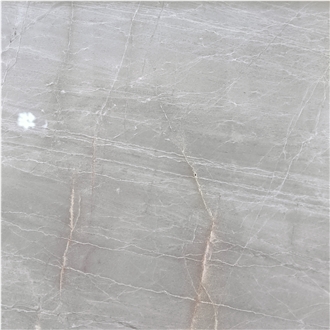
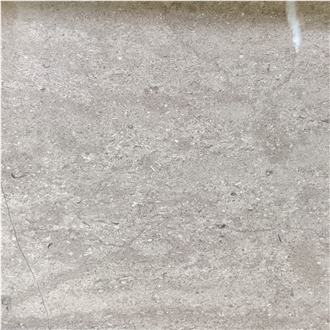
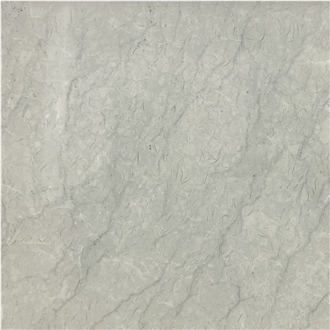
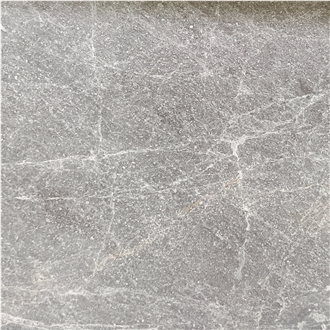
Greeces Anais Marble is a type of marble that is known for its unique veining and colors. While it is commonly used for interior applications such as flooring, countertops, and wall cladding, its suitability for exterior applications in dusty climates may vary.
Marble is a natural stone that is known for its inherent beauty but also for being relatively softer and more porous compared to other stones like granite. The dust in a climate can lead to the accumulation of dirt and debris on the marble surface, which may require frequent cleaning and maintenance.
In very dusty climates, the marbles surface can become susceptible to scratching and fading over time due to the abrasive nature of the dust particles. Additionally, the porous nature of marble makes it more susceptible to moisture penetration and staining, especially if the dust mixes with water or other liquids.
To address these challenges, it is recommended to consider applying a protective sealant to the marble surface, which can help reduce its porosity and enhance resistance to stains and weathering. However, it is important to note that even with a sealant, regular maintenance will still be necessary to ensure the longevity and appearance of the marble.
Ultimately, the decision to use Greeces Anais Marble in exterior applications in very dusty climates should be based on the specific conditions and the level of maintenance that can be provided. Consulting with a stone professional or supplier can provide more specialized advice regarding the suitability of this marble for your specific project.


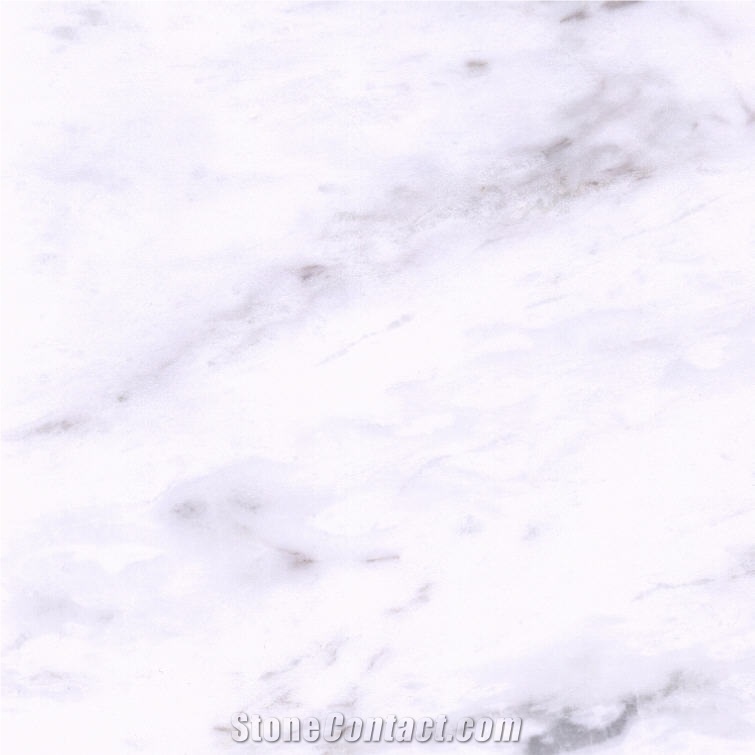
 Greece