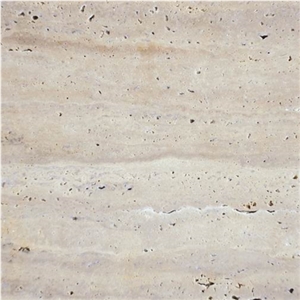
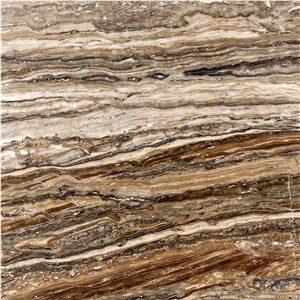
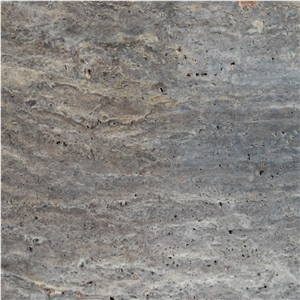
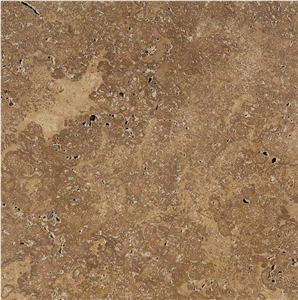
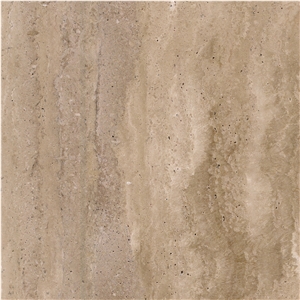
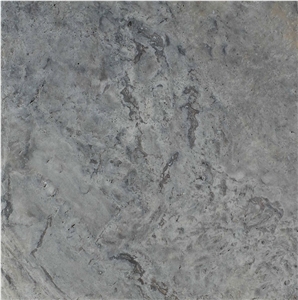
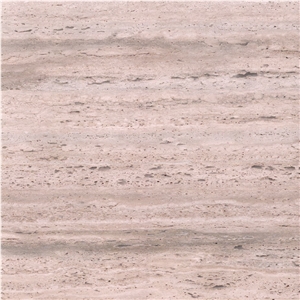
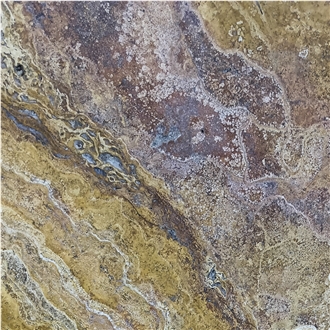
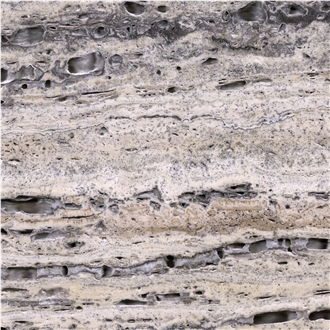
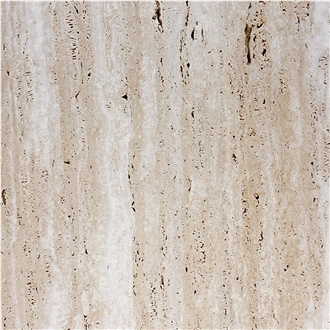
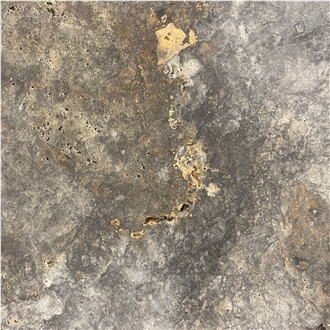
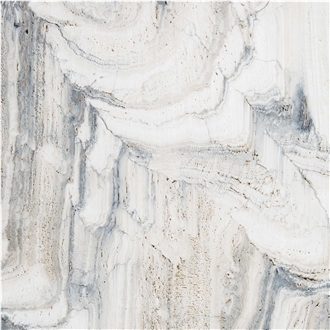
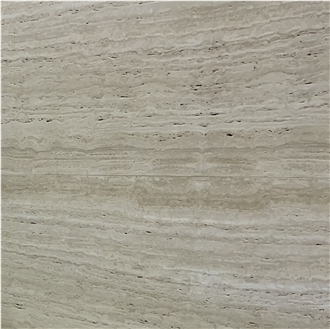
Armenias Travertine Masis is a type of travertine stone that is commonly used in construction and interior design applications. While travertine is generally suitable for exterior use, its performance in very rainy climates can depend on various factors.
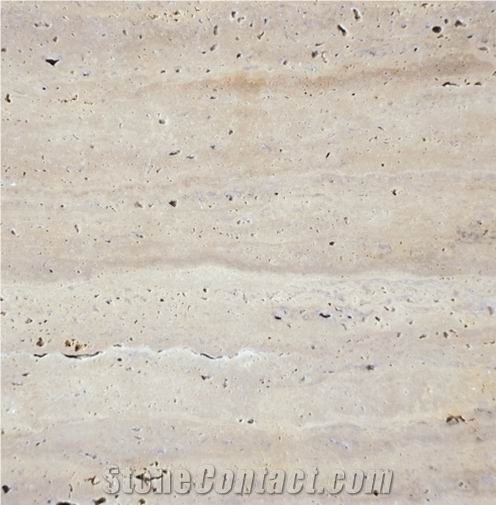
Travertine is a porous stone, meaning it has natural tiny holes and channels, which can absorb water. In very rainy climates, where there is consistent exposure to moisture, there is a higher risk of the stone absorbing water and potentially suffering from water damage, such as cracking or crumbling.
To ensure the suitability of travertine in very rainy climates, it is important to consider the following factors:
1. Quality and density of the stone: A high-quality and dense travertine stone will have fewer pores and be less prone to water absorption. It is recommended to choose a higher-grade travertine with lower porosity for exterior applications in rainy climates.
2. Proper installation: Adequate installation techniques play a crucial role in minimizing water penetration. This includes using an appropriate waterproofing membrane or sealer on the surface, as well as using specialized adhesives and grouts designed for exterior applications.
3. Regular maintenance and sealing: Periodic maintenance, such as regular cleaning and resealing, can help protect the travertine from water damage and prolong its lifespan in damp climates.
It is advisable to consult with a professional stone supplier, contractor, or architect who is familiar with the specific characteristics of Armenias Travertine Masis and has experience with exterior applications in very rainy climates. They can provide more precise guidance on the suitability and maintenance requirements for this particular type of travertine in such conditions.


 Armenia