Post Your Needs

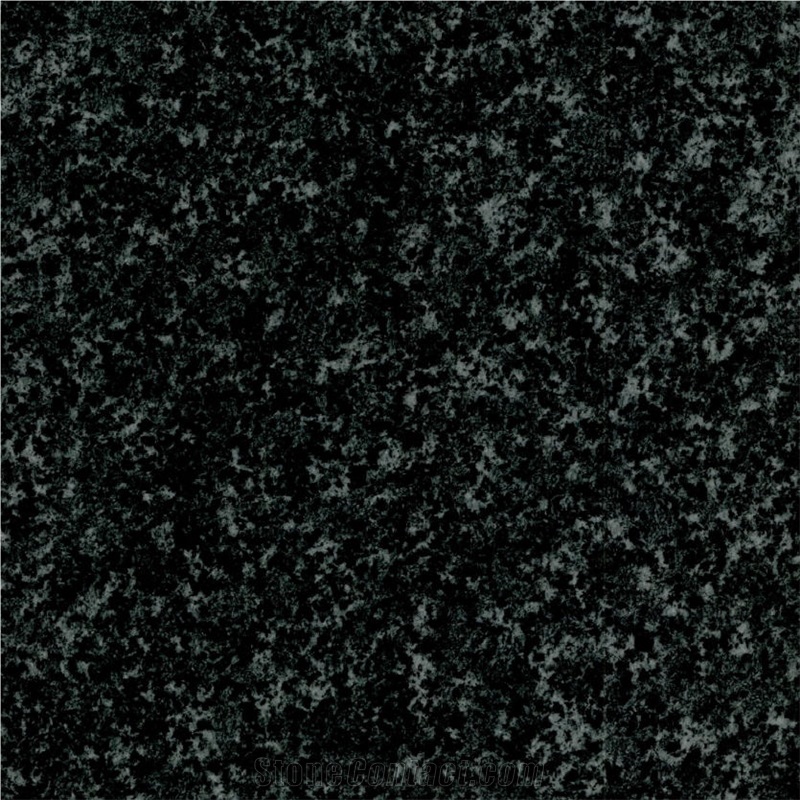
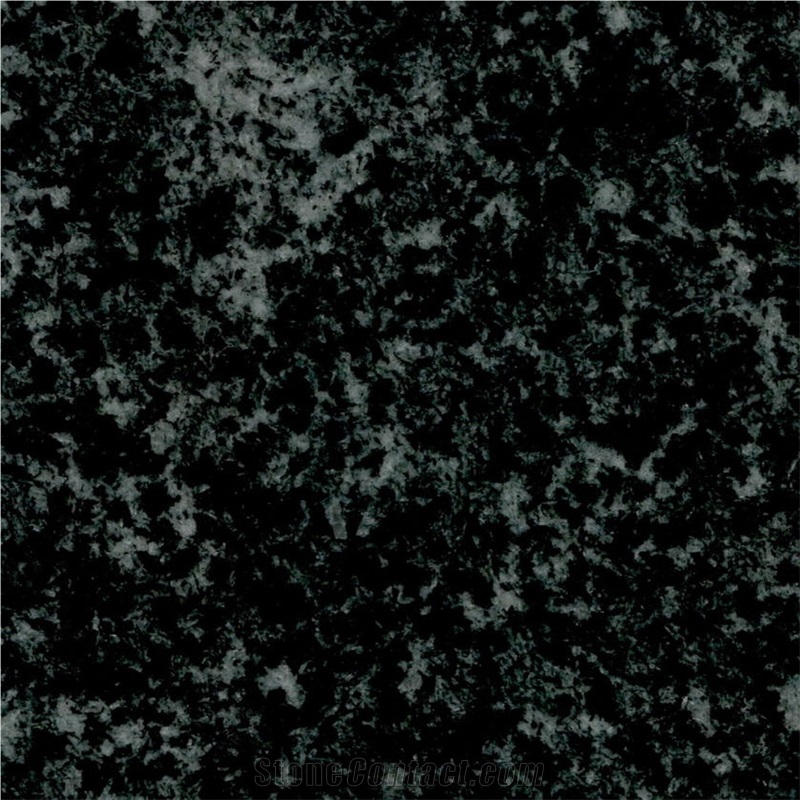
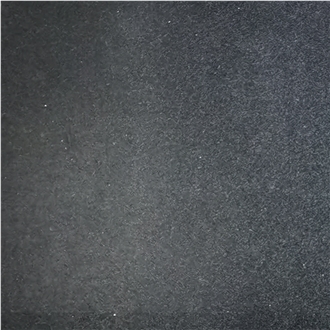
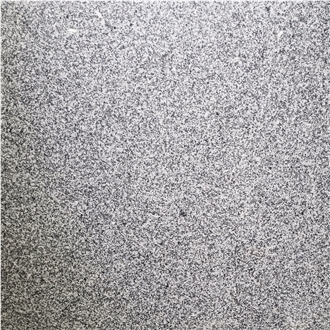
Tiger Black Granite

About

Material Type:
Granite
Origin:
India (Tirupati, Chittoor district, Andhra Pradesh)
Primary Color(s):
Black
Recommended Usage:
Kitchen and bathroom countertops, monuments, building stone, ornamental stone, stairs, interior, exterior wall and floor applications, mosaic, waterjet pattern, wall panels, table tops, window sills, balustrades, columns, wall and pool copings, pool pavers, sculptures, fireplaces, cobbles, pavers, curbstone
Additional Names:
Black Pearl Granite, Pearl Black Granite, Black Tiger Granite, Negro Tigre Granite, Mysore Tiger Granite, Mysore Tiger Black Granite, AP Black Impala Granite, Tiger Black Granite, M15 Granite, AP Black Granite, Bengal Black Granite, Tiger Black Granite
Finished Surface:
Polished,Flamed,Bush Hammered,Tumbled,Brushed,Honed,Split,Machine Cut,Natural Surface,Sandblasted,Acid Washing,Combed,Leathered,Water Jet,Filled,Chiseled,Pickling

Testing

Water Absorption:
1.0 By volume %
Density:
2900 Kg/m3
Flexural Strength:
20.7 MPa
Compressive Strength:
256.0 MPa

Description

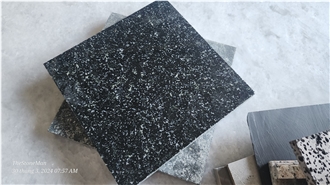
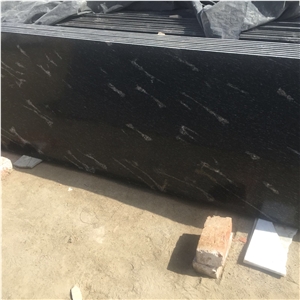
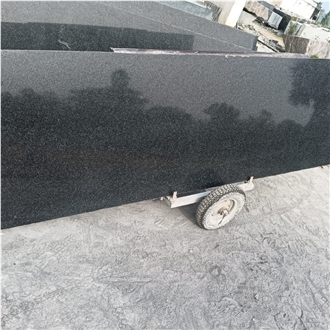
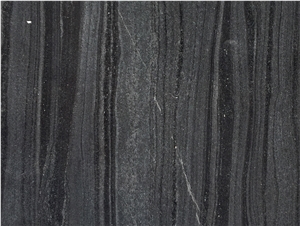
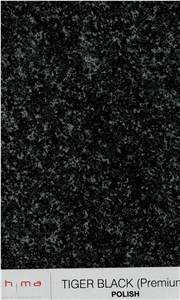
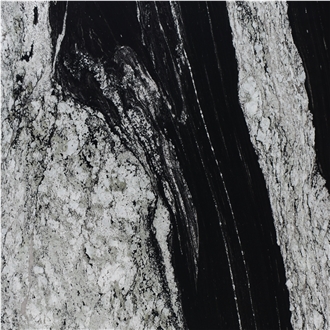
Tiger Black Granite is a distinctive Indian granite celebrated for its striking appearance. Quarried in Tirupati, Chittoor district, Andhra Pradesh, India, this granite showcases a bold and dramatic pattern that resembles tiger stripes.

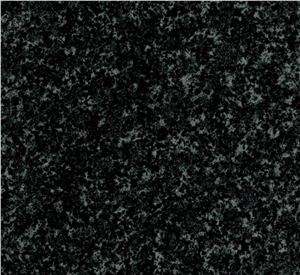
The primary feature of Tiger Black Granite is its black background color, providing a solid and elegant base. The stone's unique character comes from the bold white and grey veining that traverses the surface, creating a mesmerizing tiger stripe pattern. This distinctive veining adds depth and visual interest, making Tiger Black Granite an eye-catching choice for interior design.

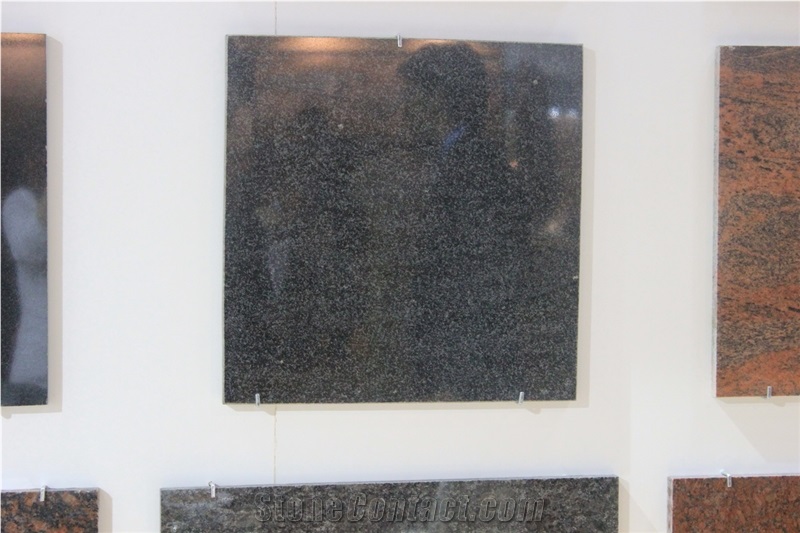
The texture of Tiger Black Granite is typically polished or honed, resulting in a smooth surface with a matte or glossy finish. This enhances the stone's luxurious and sophisticated appearance, making it suitable for high-end interior design projects. Whether used for countertops, flooring, or wall cladding, Tiger Black Granite adds a touch of uniqueness and drama to any space where it is employed.

FAQ

Which country is best for granite?

India is considered one of the best countries for granite production. It has a wide variety of high-quality granite reserves and is one of the largest exporters of granite in the world. Other countries known for their granite production include Brazil, China, Italy, and Spain.
Read question details

Which state is famous for granite in India?

The state of Rajasthan is famous for its granite in India.
Read question details

What is the coefficient of friction of Leathered India's Tiger Black Granite tiles?

The coefficient of friction for specific materials can vary, so the coefficient of friction for Leathered Indias Tiger Black Granite tiles would depend on the specific type and finish of the granite tiles. It is recommended to consult the manufacturer, supplier, or testing laboratory for accurate and precise information on the coefficient of friction of the specific tiles in question.
Read question details

Can India's Tiger Black Granite be used in a office?

Yes, Indias Tiger Black Granite can be used in an office. It is a popular choice for flooring, countertops, and wall cladding due to its elegant and sophisticated appearance. The black base color with golden brown veins makes it a versatile material that can complement various office designs and themes. Its durability and low maintenance qualities also make it suitable for high-traffic areas in an office setting.
Read question details

Can India's Tiger Black Granite be used in heavy use areas?

Yes, Indias Tiger Black Granite can be used in heavy use areas. It is a durable and strong natural stone that is often used for countertops, flooring, and other high-traffic areas. Its resistance to scratching, staining, and heat make it suitable for heavy use and make it an ideal choice for areas that require durability. However, it is always recommended to consult with a professional stone installer or supplier for specific recommendations and maintenance guidelines based on the intended use and location.
Read question details

What is the average hardness of India's Tiger Black Granite?

The average hardness of Indias Tiger Black Granite is around 6-7 on the Mohs scale.
Read question details

How often do I need to seal black granite?

The frequency of sealing black granite depends on several factors such as the type of granite, its finish, and how it is used. However, as a general guideline, it is recommended to seal black granite every 6 to 12 months. Some high-quality granite sealers can provide longer-lasting protection, allowing for sealing every 2 to 3 years. Ultimately, it is best to refer to the specific manufacturers recommendation for the sealant being used and take into consideration the granites specific usage and exposure to potential staining agents.
Read question details

Can dish soap damage black granite?

Dish soap generally cannot damage black granite. However, some harsh and acidic dish soaps or cleaners might, especially if used frequently or left on the surface for an extended period. To maintain the appearance and quality of black granite, it is recommended to use a pH-neutral or mild soap specifically formulated for granite or natural stone surfaces and to rinse the granite thoroughly after cleaning.
Read question details

What cleaning materials should not be used on black granite?

Black granite is a durable and popular choice for countertops and other surfaces. However, it is important to avoid using certain cleaning materials that can potentially damage or dull its appearance. Here are some cleaning materials that should not be used on black granite: 1. Abrasive cleaners: Avoid using any harsh or abrasive cleaning agents, as they can scratch the surface of the granite. This includes scouring powders, steel wool, and any cleaners with abrasive particles. 2. Vinegar or acidic cleaners: Acidic substances like vinegar, lemon juice, or any cleaners with high acidity can etch and dull the polished surface of black granite. It is best to steer clear of these types of cleaners. 3. Ammonia-based cleaners: Ammonia-based cleaners, such as glass cleaners or multi-purpose cleaners containing ammonia, can cause damage to black granite. These cleaners can break down the sealant and make the surface more susceptible to staining. 4. Bleach or bleach-based cleaners: Strong chemicals like bleach or cleaners containing bleach should be avoided on black granite. They can discolor or fade the natural color of the stone. 5. Oil-based or petroleum-based cleaners: Oil-based or petroleum-based products should not be used on black granite, as they can leave residue, build-up, or even stain the countertop. 6. Dishwashing detergent: While dishwashing detergent is generally safe for many surfaces, it can leave a film or residue on black granite. It is best to use a mild, non-acidic, and non-abrasive cleaner specifically designed for granite or natural stone. When cleaning black granite, it is recommended to use warm water, mild dish soap, or a specially formulated granite cleaner that is pH-balanced and designed for use on stone surfaces. Additionally, avoid using any harsh scrub brushes or abrasive sponges, and instead, opt for soft cloths or non-abrasive cleaning pads to wipe down the granite surface.
Read question details

Where does the best black granite come from?

The best black granite is typically sourced from countries in Africa, including Angola, Zimbabwe, South Africa, and Namibia. These regions are known for producing high-quality black granite with consistent color, durability, and unique patterns. Other countries that produce excellent black granite include India, Brazil, and China. Ultimately, the quality of black granite can vary depending on the specific quarry and its geological characteristics.
Read question details

Products & Prices

Hot Granite

New Granite

Post Your Request

The request includes:
  1. surface finished, size
  2. quantity required