 Iran
Iran Can Iran's Takab Travertine be used exterior applications in cold climates?
Yes, Irans Takab Travertine can be used in exterior applications in cold climates. Travertine is a natural stone that is known for its durability and resistance to extreme weather conditions. It has been used for centuries in various architectural applications, including exterior facades, walls, and flooring.
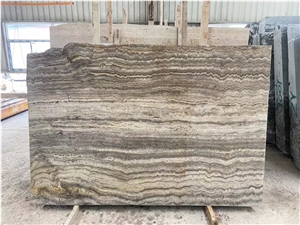
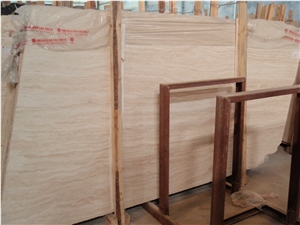
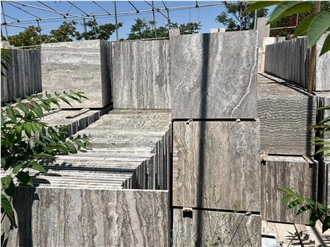
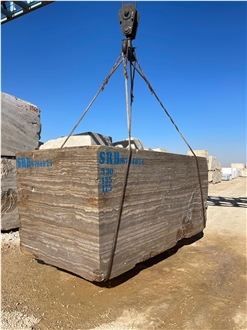
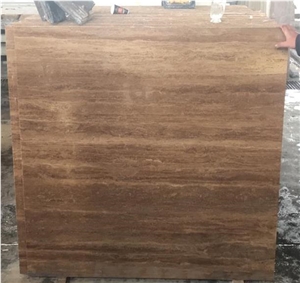
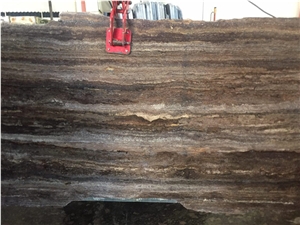
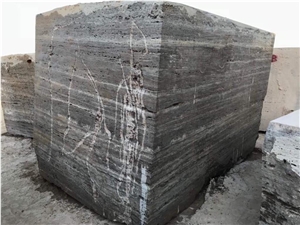
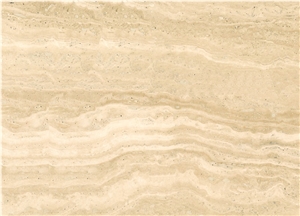
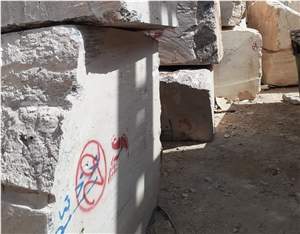
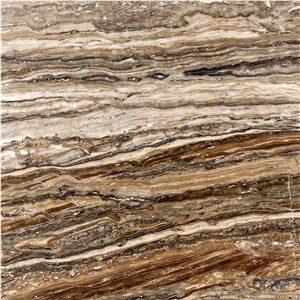
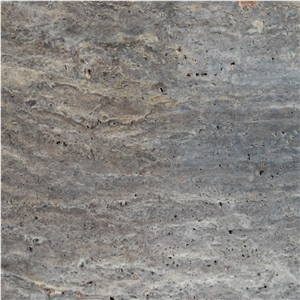
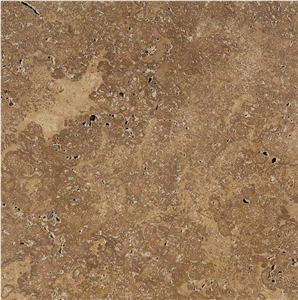
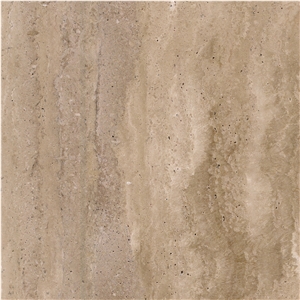
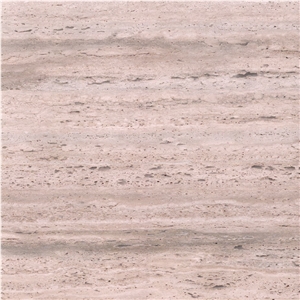
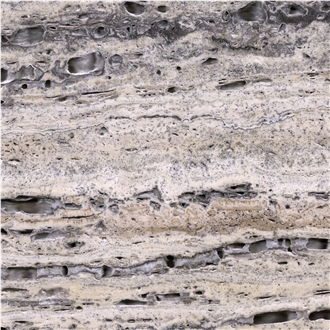
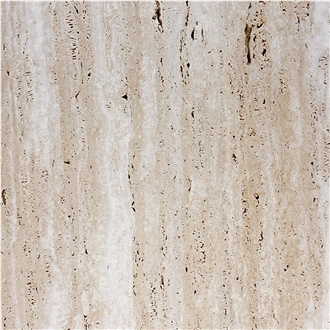
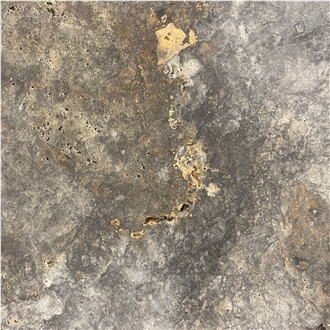
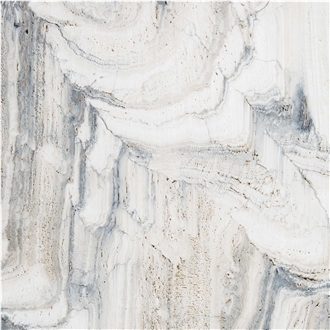
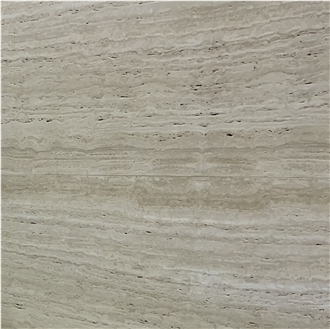
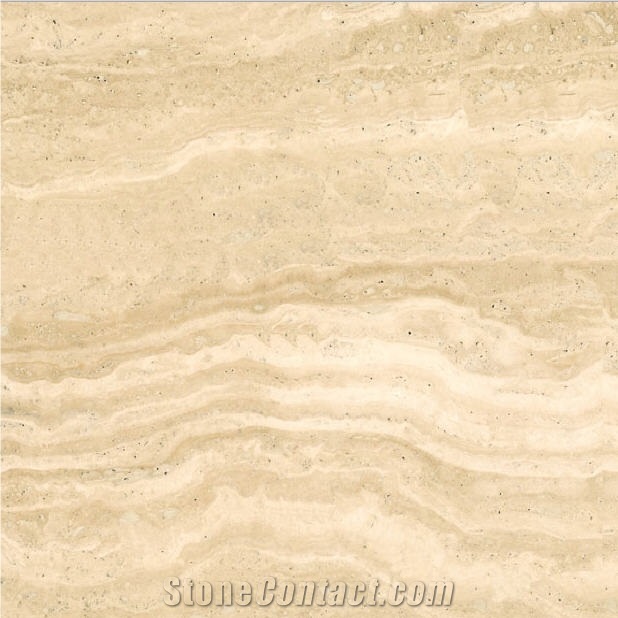
Takab Travertine, specifically, is a high-quality type of travertine that is extracted from Takab city in Iran. It has a dense structure and is often favored for its uniform color and attractive patterns. This makes it suitable for both interior and exterior design projects.
In terms of cold climates, Takab Travertine is well-suited for such environments. It is known to have a low thermal conductivity, which means it retains heat better than other natural stones. This characteristic makes it ideal for outdoor applications in cold climates as it can help to maintain a comfortable temperature and prevent extreme heat loss.
Additionally, Takab Travertine is resistant to freeze-thaw cycles, which is crucial in cold climates. Freeze-thaw cycles occur when water penetrates the stones surface, freezes, and expands, causing the stone to crack or break. However, Takab Travertines structure and composition make it highly resistant to this phenomenon, ensuring its longevity in cold weather conditions.
To ensure the best performance of Irans Takab Travertine in cold climates, proper installation techniques and regular maintenance are essential. The stone should be sealed to prevent moisture absorption, and any cracks or damages should be promptly repaired.
Overall, Irans Takab Travertine can be confidently used in exterior applications in cold climates, offering durability, resistance to temperature fluctuations, and an elegant aesthetic.