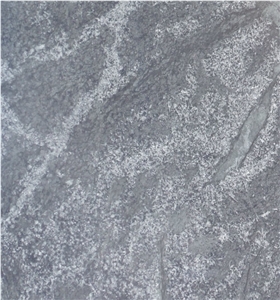
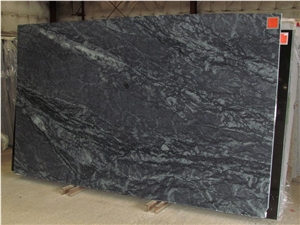
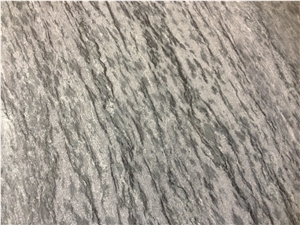
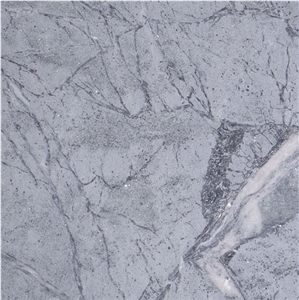
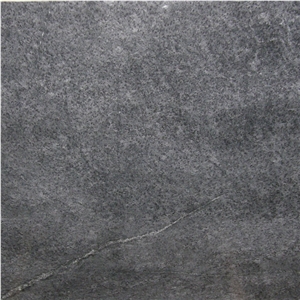
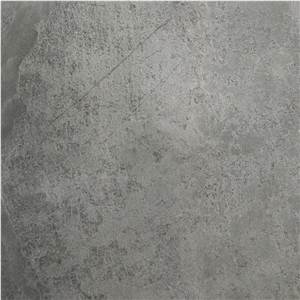
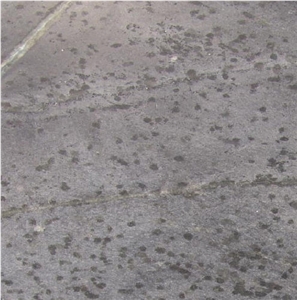
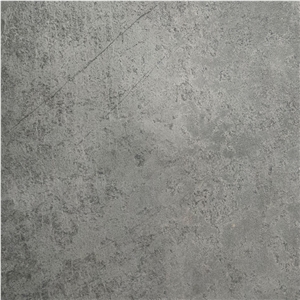
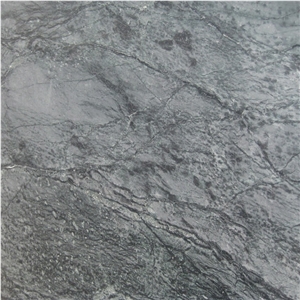
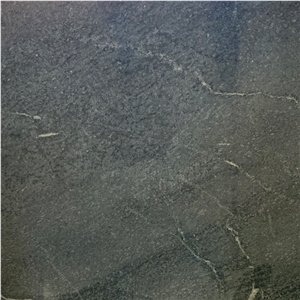
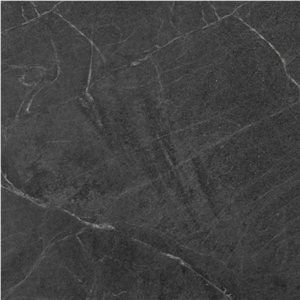
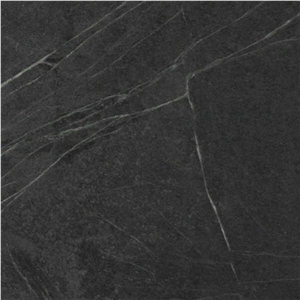
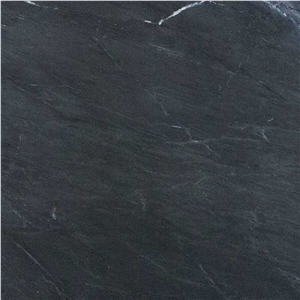
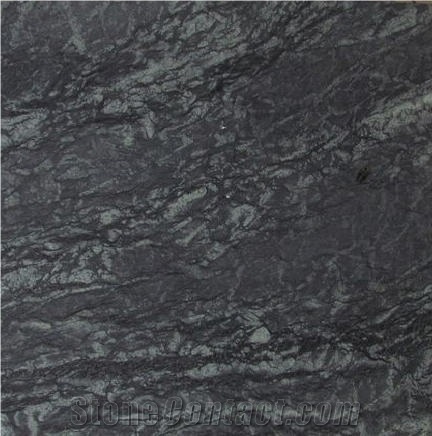
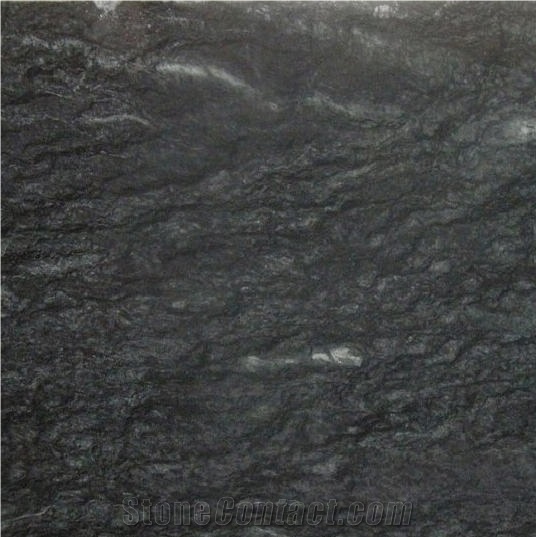
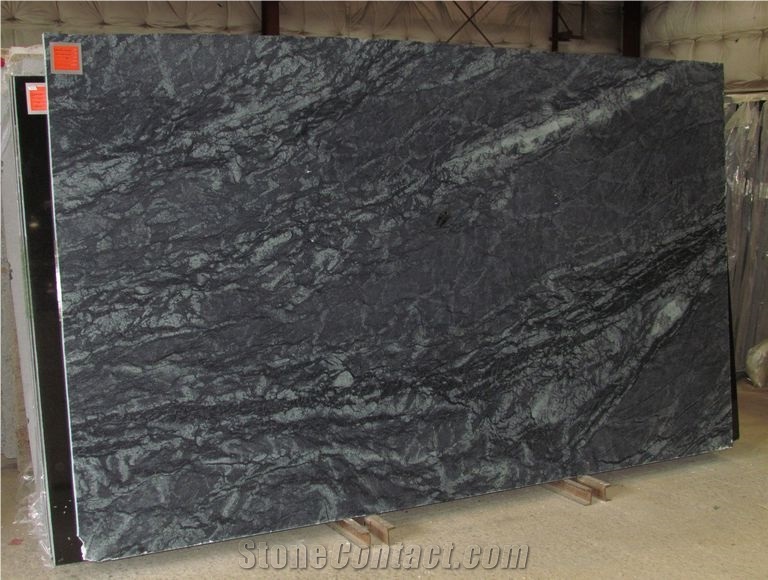
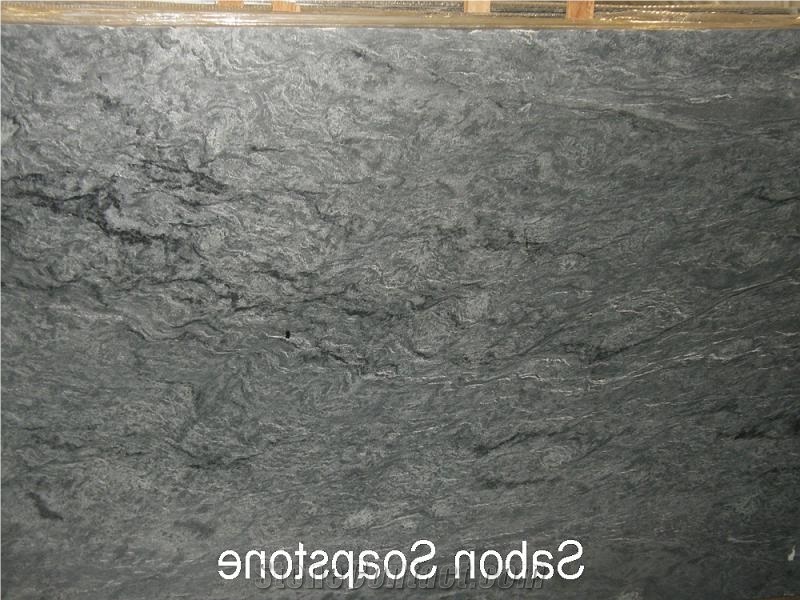
Soapstone is a soft and porous metamorphic rock that is mainly composed of mineral talc. While it is commonly used for interior applications such as countertops and carvings, its use in very dusty and outdoor environments can pose some challenges.
Exterior applications of soapstone in dusty climates may not be ideal due to the following reasons:
1. Porosity: Soapstone is porous and can absorb moisture and dust particles. In very dusty climates, the soapstone may absorb a significant amount of dust, which can be difficult to clean and maintain.
2. Staining: The porosity of soapstone also makes it prone to staining. Dust particles, combined with moisture and exposure to elements like rain, can lead to the formation of stains on the soapstone surface.
3. Weathering: Exposure to intense sunlight, extreme temperature variations, and other environmental factors can cause soapstone to weather and change color over time. This may result in a less desirable appearance and affect its durability.
4. Durability: Soapstone is relatively soft compared to other stones like granite or quartzite. In very dusty climates with abrasive dust particles, soapstone may be more susceptible to scratches and damages.
Considering these factors, it is generally recommended to use soapstone in interior applications where it can be protected from excessive dust, moisture, and direct exposure to harsh weather conditions. If used in outdoor settings, it is essential to seal the soapstone properly to minimize its porosity and protect it from potential damage.


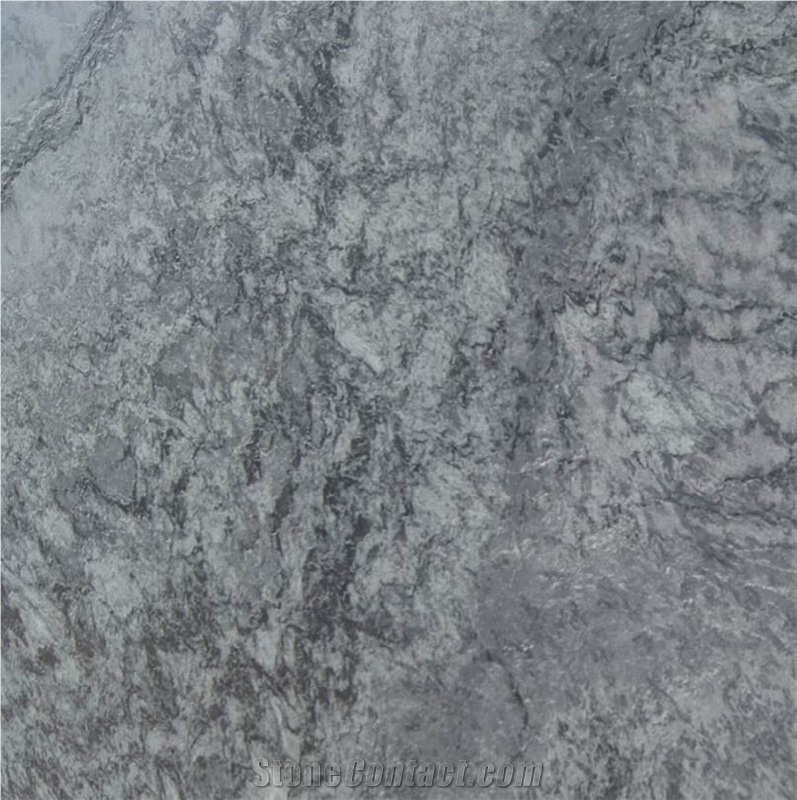
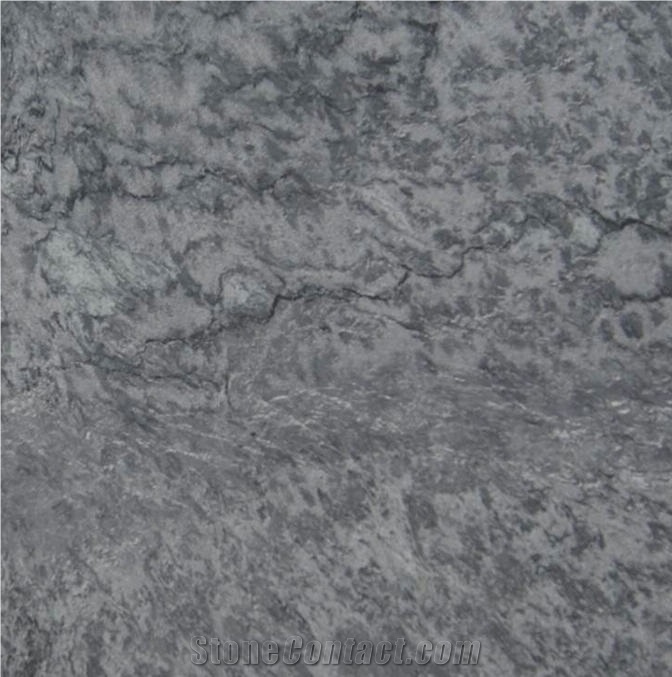
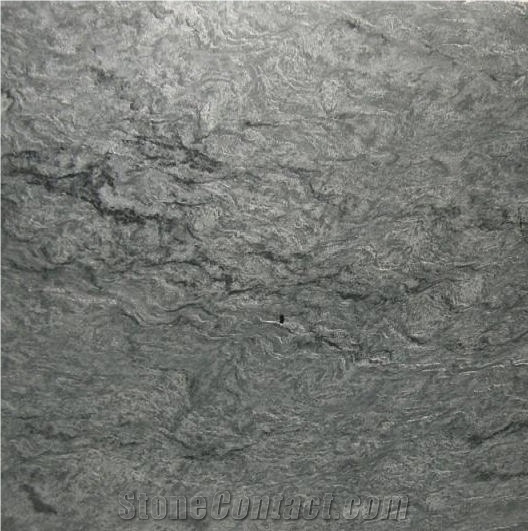


 India
India