Post Your Needs

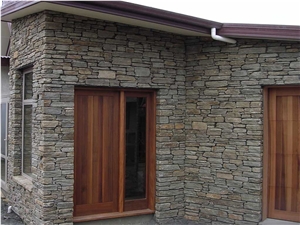
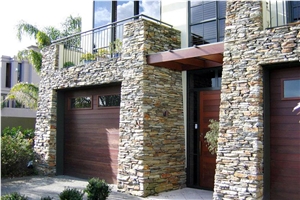
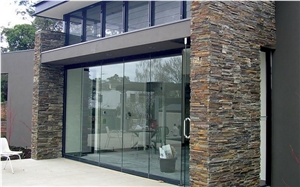
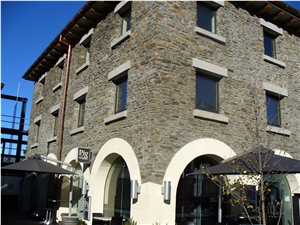
Poolburn Schist

About

Material Type:
Schist
Origin:
New Zealand (Poolburn Gorge, Ida valley, Central Otago region of the South Island, New Zealand)
Primary Color(s):
Grey
Recommended Usage:
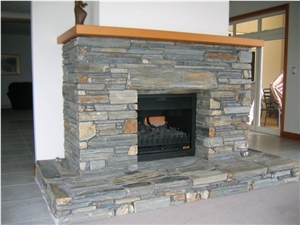
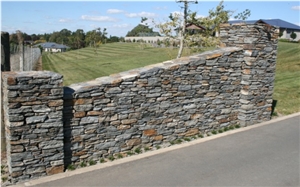
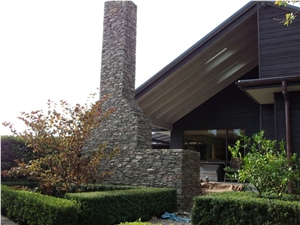
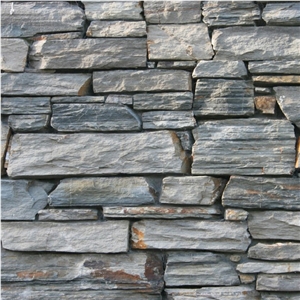
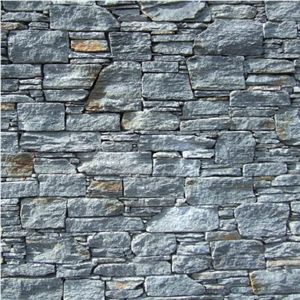
Exterior decor like wall cladding, pool coping, stairs, fireplaces surround and also interior walling, paver, veneer, garden step stone, retaining wall
Additional Names:
Poolburn Schist Stone, Poolburn Stone, Poolburn Schist
Finished Surface:
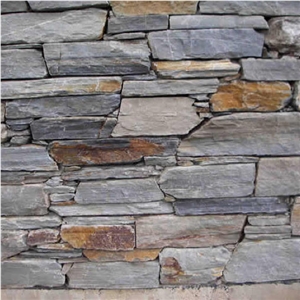
Split, river worn, feature rocks

Description

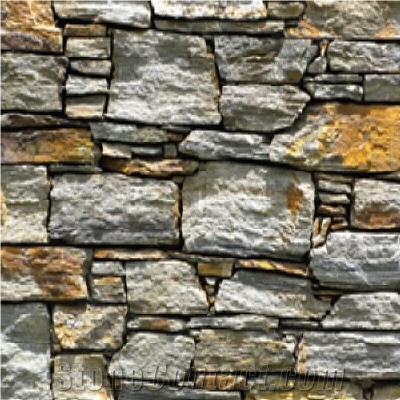
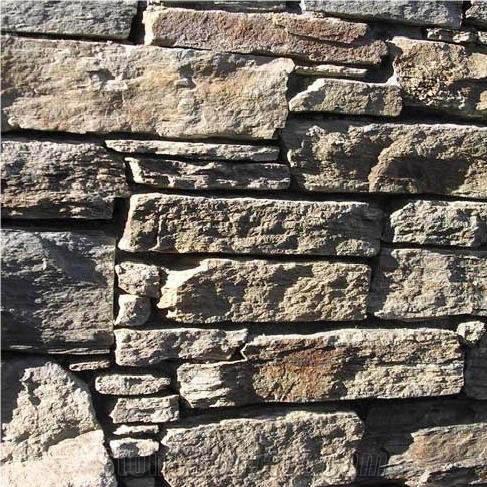
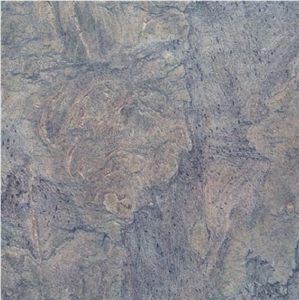
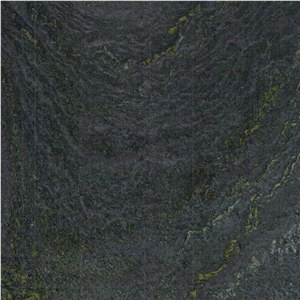
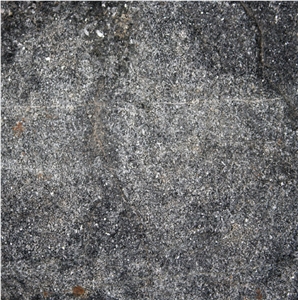
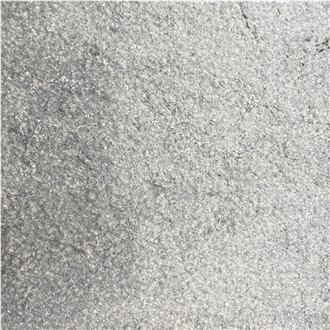
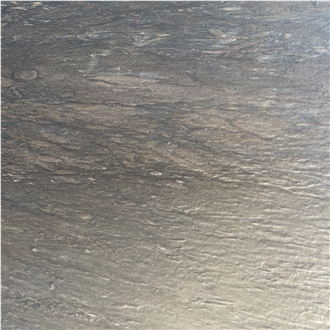
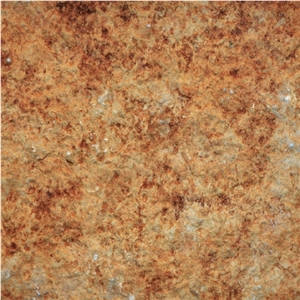
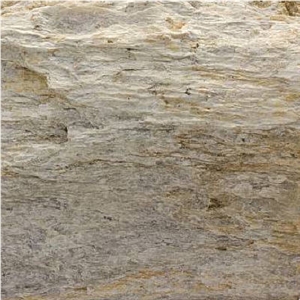
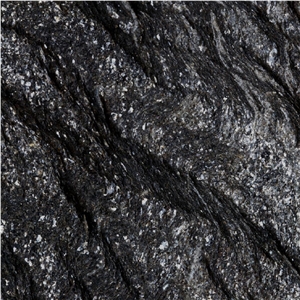
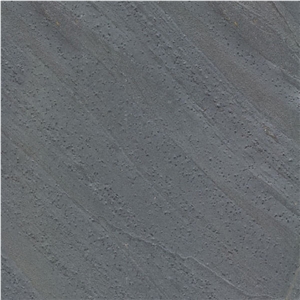
Poolburn Schist is a rust, light earthy grey to warm brown, medium-grade metamorphic recrystallisation rock; contains abundant segregations of granular white quartz and feldspar.
Recommended Uses: Exterior decor like wall cladding, pool coping, stairs, fireplaces surround and also interior walling, paver, veneer, garden step stone, retaining wall
Finishing Surface:  Split, river worn, feature rocks

FAQ

Can New Zealand's Poolburn Schist be used in a office?

Yes, New Zealands Poolburn Schist can be used in an office setting. Poolburn Schist is a type of natural stone that is commonly used as a cladding material for various architectural projects, including commercial buildings. It is known for its unique and natural appearance, which can add a touch of sophistication and elegance to an office space. Additionally, schist is a durable and long-lasting material that can withstand heavy use, making it suitable for use in high-traffic areas like offices.
Read question details

Can New Zealand's Poolburn Schist be used exterior applications in hot climates?

The Poolburn Schist from New Zealand is a type of metamorphic rock commonly used as a building material. While it is generally suitable for exterior applications, its performance in hot climates will depend on several factors. Poolburn Schist has good thermal properties, which means it can withstand heat and does not retain it as much as other materials like concrete or brick. This can be beneficial in hot climates as it helps to keep the exterior surfaces cooler. However, it is important to consider a few things: 1. Color: The color of the Poolburn Schist can affect its heat absorption properties. Darker colors tend to absorb more heat, while lighter colors reflect it. If the Schist is a darker shade, it may become hotter to the touch in direct sunlight. Lighter colors are recommended for areas with intense sunlight. 2. Moisture absorption: Schist is a natural stone, and its porosity can vary. If the Poolburn Schist has a high porosity, it may absorb moisture, which can cause problems in hot and humid climates. Moisture absorption can lead to discoloration, staining, and weakening of the stone over time. To mitigate this, a proper sealer or protective coating should be applied to the Schist. 3. Weathering: Extreme temperatures and UV radiation from the sun can cause weathering of the stone over time. This can result in color fading, surface deterioration, and the development of cracks. Regular maintenance, including cleaning and sealing, can help protect the Schist from these issues. In summary, while Poolburn Schist can be used in hot climates, a careful selection of color, proper sealing, and maintenance are crucial to ensure its long-term performance and durability. Consulting with a local stone supplier or an architect familiar with the local climate can provide more specific advice for your particular situation.
Read question details

Can New Zealand's Poolburn Schist be used in landscaping?

Yes, New Zealands Poolburn Schist can be used in landscaping. Poolburn Schist is a type of metamorphic rock that is known for its attractive appearance and unique colors and patterns. It is commonly used in various landscaping applications, such as garden paths, retaining walls, rockeries, and decorative features. The natural colors of the stone, ranging from earthy browns and greys to vibrant oranges and pinks, can add an interesting and visually appealing element to outdoor spaces. Additionally, the durability and strength of Poolburn Schist make it a suitable choice for landscaping projects.
Read question details

How thick is New Zealand's Poolburn Schist slabs?

The thickness of Poolburn Schist slabs in New Zealand can vary depending on the specific quarry and cutting process. However, in general, Poolburn Schist slabs are commonly available in thicknesses ranging from 20mm (0.8 inches) to 40mm (1.6 inches).
Read question details

What is the coefficient of friction of Filled New Zealand's Poolburn Schist tiles?

The coefficient of friction of Poolburn Schist tiles is highly variable and depends on a variety of factors such as the surface finish, texture, and moisture content of the tiles. In general, schist tiles have a higher coefficient of friction compared to smooth surfaces like glass or polished tiles, as the natural texture of the stone provides more grip. However, without specific data on the filled New Zealand Poolburn Schist tiles and their exact surface characteristics, it is difficult to provide an accurate coefficient of friction value. It is recommended to consult with the manufacturer or a specialist in the field for precise information on the coefficient of friction for these specific tiles.
Read question details

What grade is New Zealand's Poolburn Schist?

The Poolburn Schist found in New Zealand is not classified based on grade, as it is a type of metamorphic rock rather than a mineral deposit. Schist is formed from the metamorphism of existing rocks, typically shale or mudstone, and is characterized by its foliated texture.
Read question details

Are there color variations of New Zealand's Poolburn Schist?

Yes, there are color variations of New Zealands Poolburn Schist. The schist is known for its distinctive range of earthy colors, which can include shades of gray, brown, green, blue, and purple. The exact colors and variations will depend on the specific location and geological factors of the quarry where the schist is sourced. Additionally, the appearance of the schist can vary depending on whether it is split, sawn, or used in its natural form.
Read question details

Is New Zealand's Poolburn Schist an expensive stone?

I cannot provide current market prices and rates. However, Poolburn Schist is considered a high-quality and unique natural stone in New Zealand, which can drive up its price. The price may also depend on various factors such as availability, location, and demand.
Read question details

Products & Prices

Hot Schist

New Schist

Post Your Request

The request includes:
  1. surface finished, size
  2. quantity required