Post Your Needs

Ocre Itabira Granite

About

Material Type:
Granite
Origin:
Brazil (Itabira, Venda Nova, Minas Gerais) Itabira, Minas Gerais
Primary Color(s):
Brown
Recommended Usage:
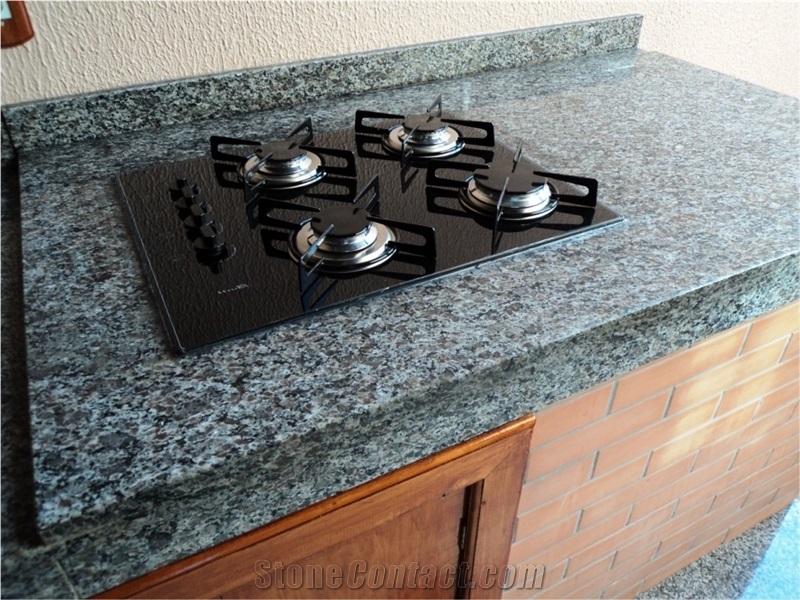
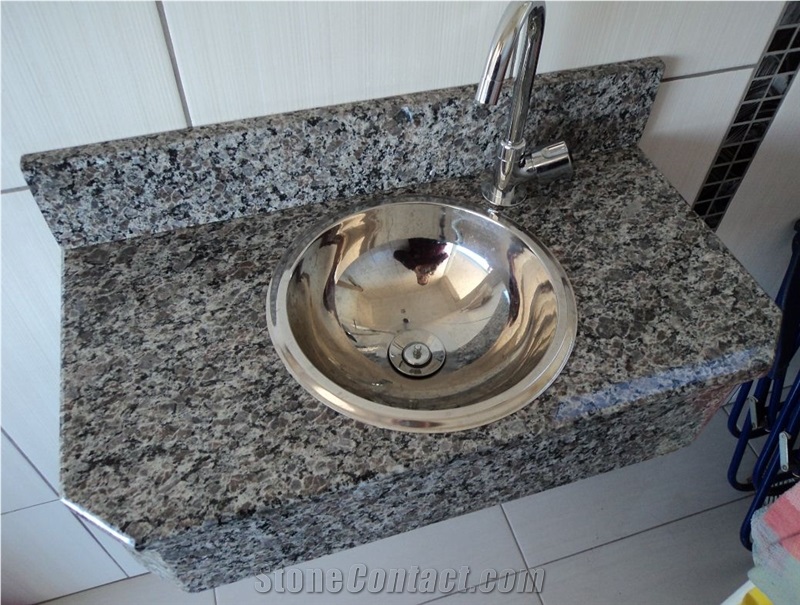
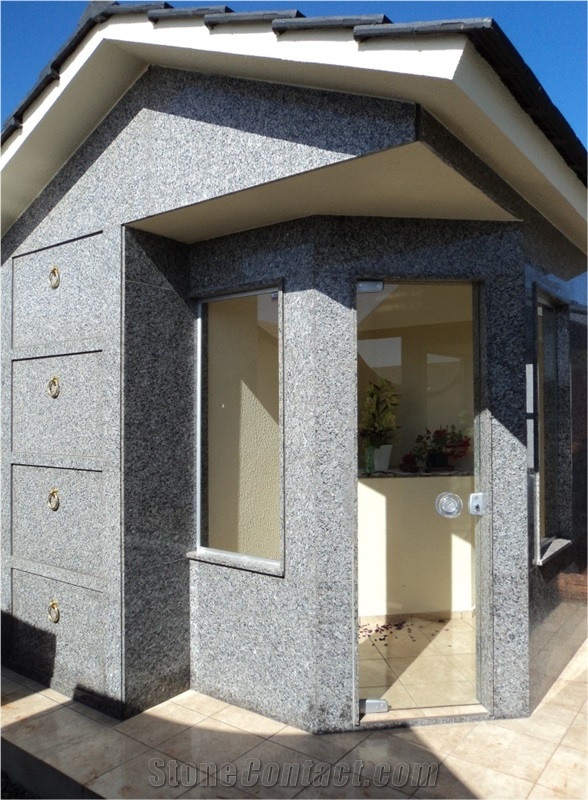
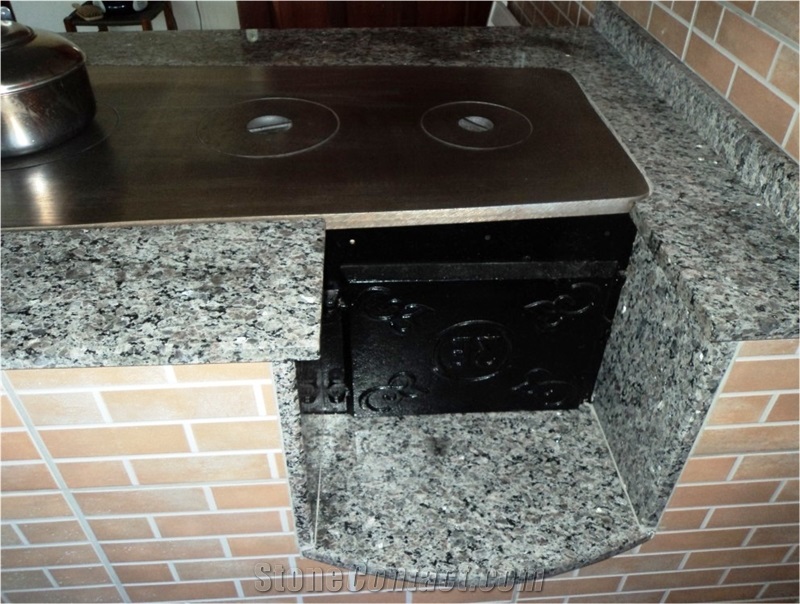
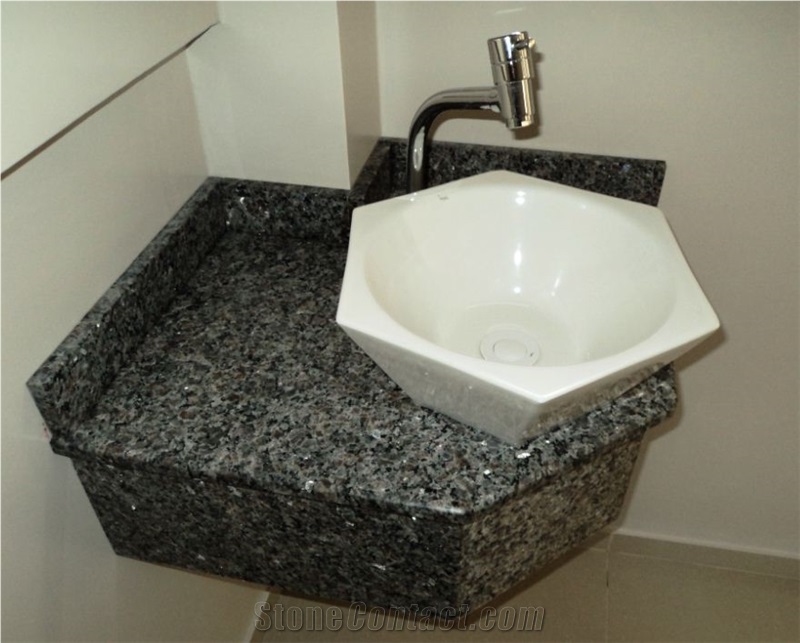
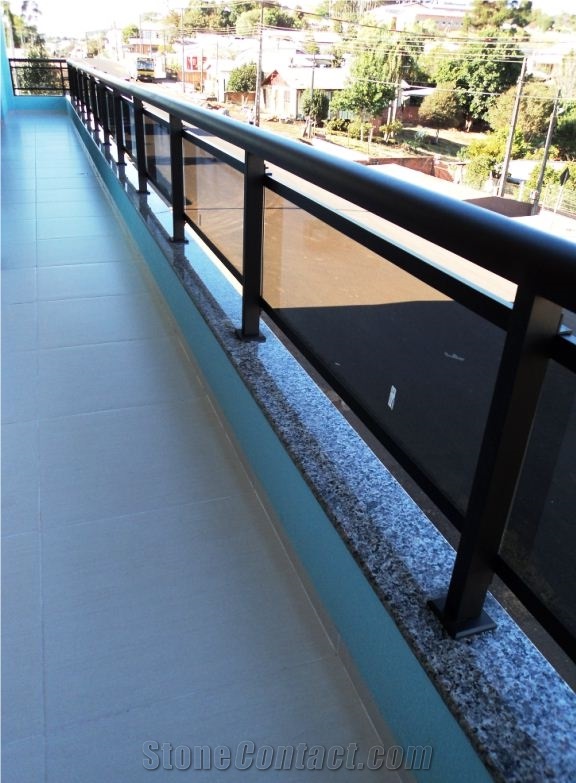
Kitchen and bathroom countertops, monuments, building stone, ornamental stone, stairs, interior, exterior wall and floor applications, mosaic, waterjet pattern, wall panels, table tops, window sills, balustrades, columns, wall and pool copings, pool pavers, sculptures, fireplaces
Additional Names:
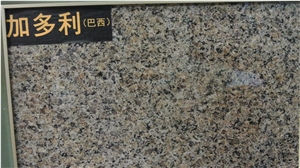
Caledonia Brown Granite, Granito Ocre Itabira, Ocre Itabira, New Caledonia Granite, Brown Itabira Granite, Marron Itabira Granite, Ocre Granito Granite, Cafe Royal Granite, Cafe Brown Granite, Gadoli Granite, in China stone market:加多利(Jiā duōlì), 啡水晶(Fēi shuǐjīng), Ocre Itabira Granite
Finished Surface:
Polished,Flamed,Bush Hammered,Tumbled,Brushed,Honed,Split,Machine Cut,Natural Surface,Sandblasted,Acid Washing,Combed,Leathered,Water Jet,Filled,Chiseled,Pickling

Testing

Water Absorption:
0.26 %
Density:
2708 kg/m3
Flexural Strength:
87 kg/cm2
Compressive Strength:
1285 kg/cm2

Description

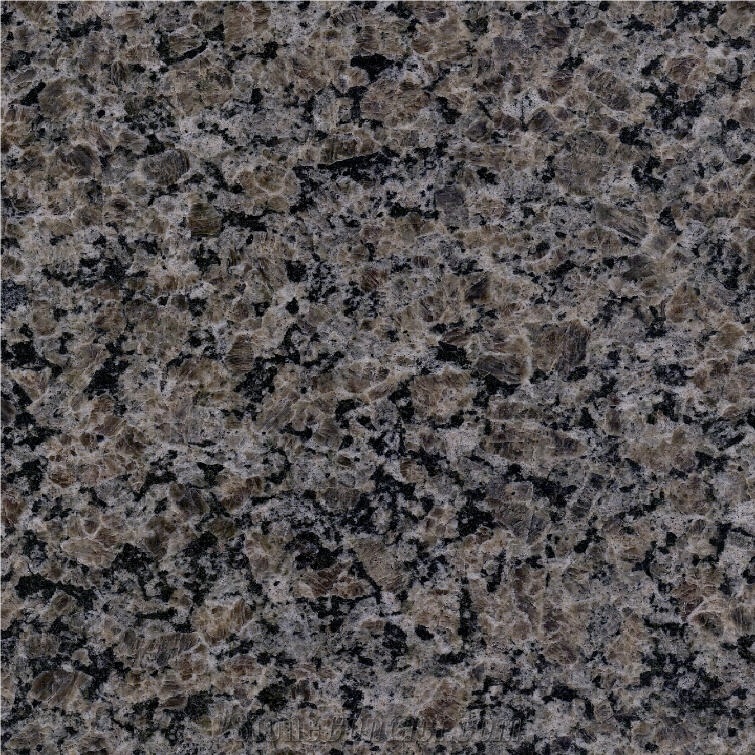
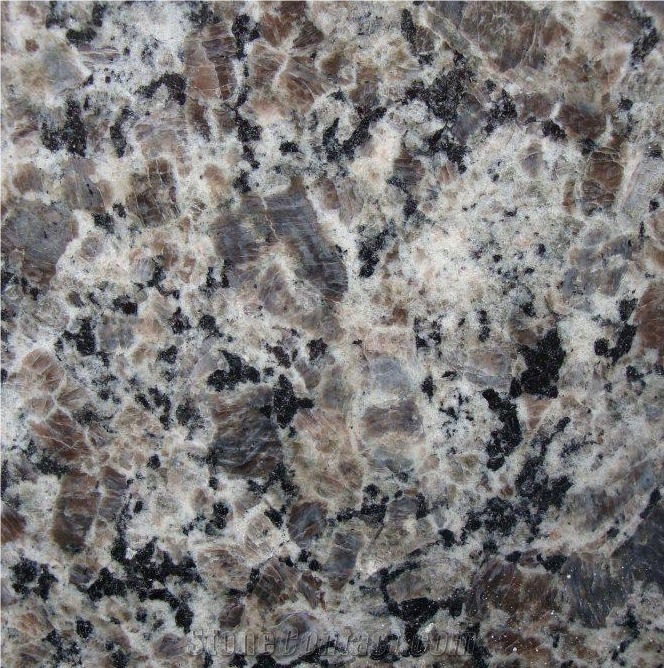
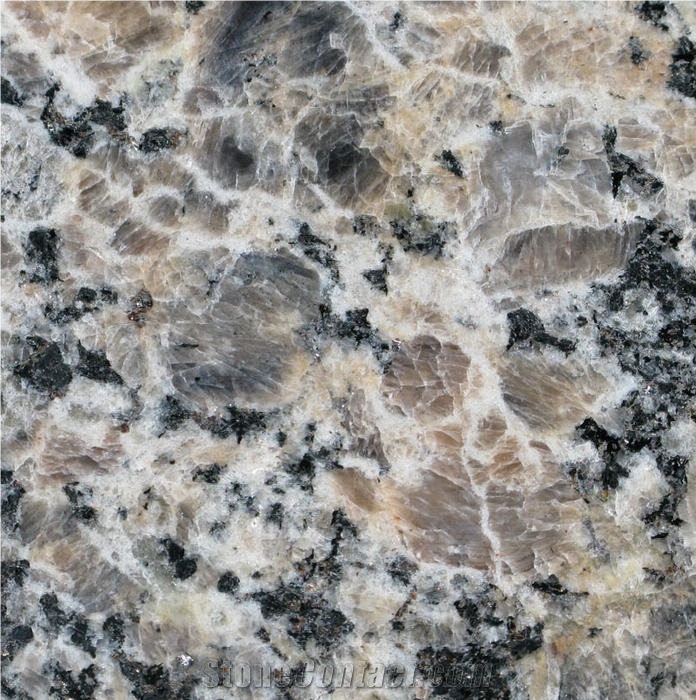
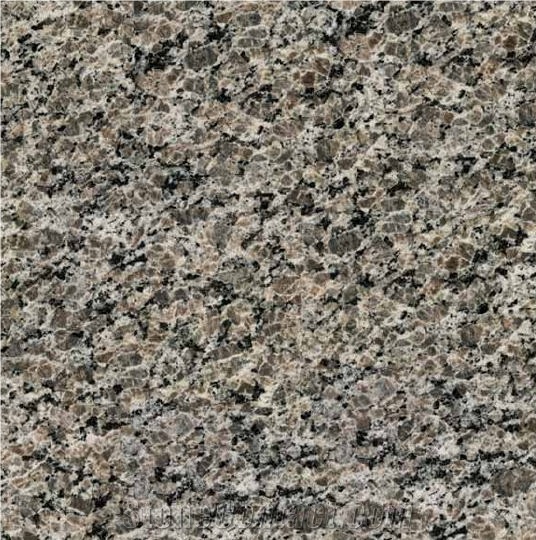
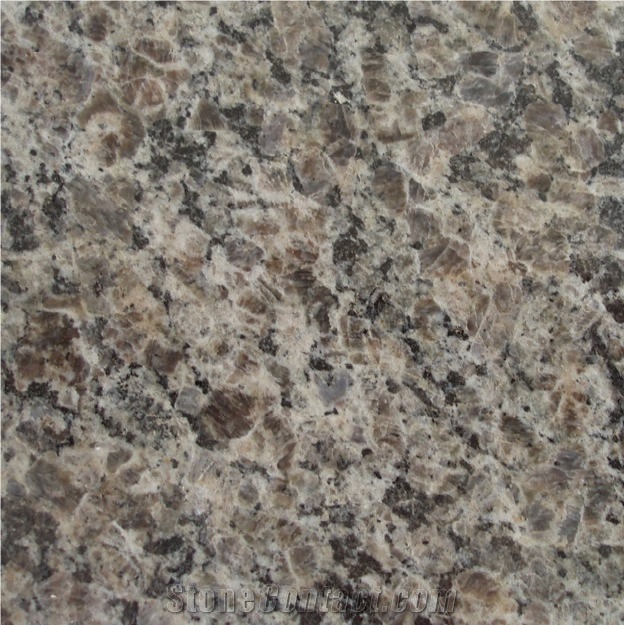
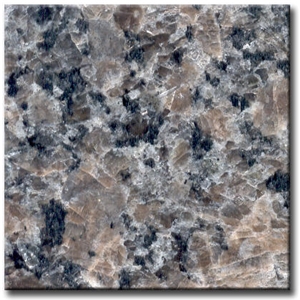
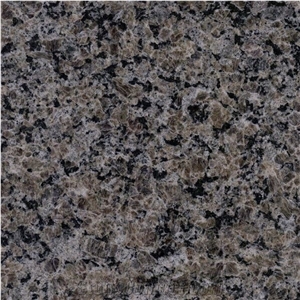
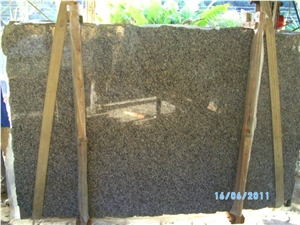
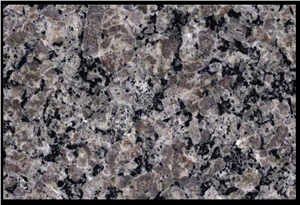
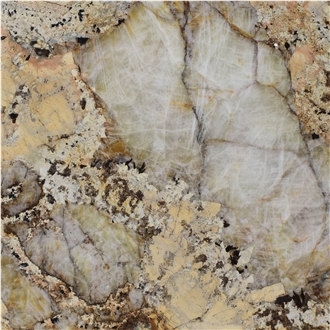
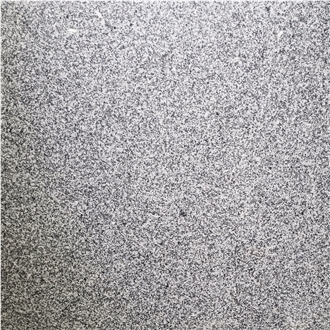
Ocre Itabira Granite, also recognized as Café Imperial Granite, Café Brown Granite, or Café Brown Marron, is an exquisite natural stone renowned for its rich, deep brown background hue, evocatively likened to the tones of coffee or espresso. Quarried in Itabira, Venda Nova, within the Minas Gerais state of Brazil, this granite exudes an air of sophistication and refinement.

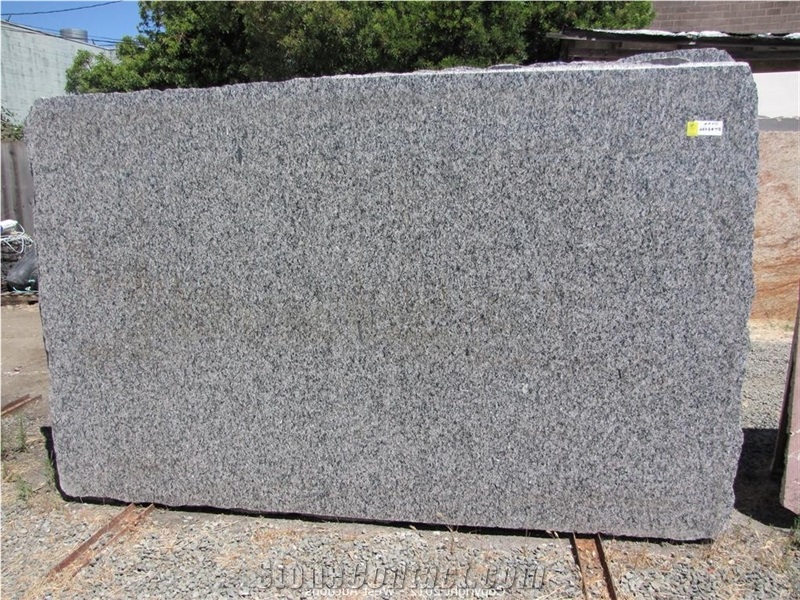
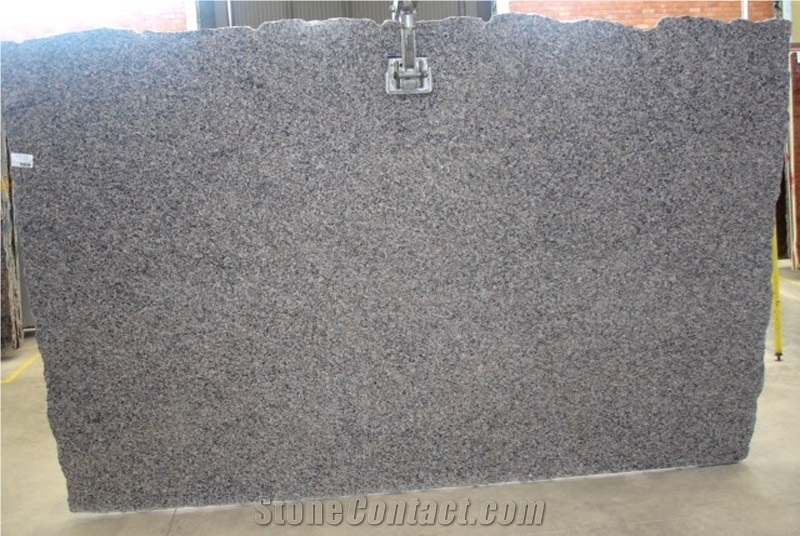
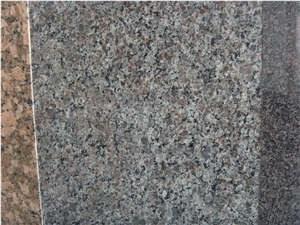
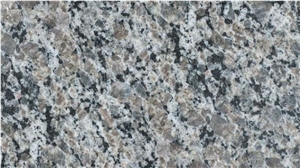
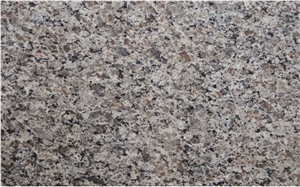
The hallmark feature of Ocre Itabira Granite lies in its captivating pattern, which is characterized by an interplay of lighter brown and beige flecks and speckles dispersed throughout the dark brown backdrop. This dynamic fusion of colors creates a mesmerizing visual tapestry, imbuing the stone with a sense of depth and movement that enhances its overall allure.

The intricate arrangement of these contrasting hues lends Ocre Itabira Granite a luxurious and elegant appearance, making it a popular choice for a wide range of architectural and design applications. Whether utilized for countertops, flooring, wall cladding, or decorative accents, this granite adds a touch of sophistication and opulence to any space.

Furthermore, Ocre Itabira Granite boasts exceptional durability and resilience, ensuring its suitability for both interior and exterior installations. Its robust nature, coupled with its stunning aesthetics, makes it a favored material among designers and homeowners alike who seek to elevate their projects with a touch of natural beauty and timeless elegance.

In summary, Ocre Itabira Granite, also known as Café Imperial Granite or Café Brown Marron, is a captivating natural stone distinguished by its deep brown background color and intricate pattern of lighter brown and beige flecks and speckles. Quarried in Itabira, Brazil, this granite embodies a perfect blend of beauty and durability, making it an ideal choice for enhancing the aesthetic appeal of any architectural or design endeavor.

FAQ

How long do human ashes last in a Ocre Itabira Granite urn?

The longevity of human ashes in an Ocre Itabira Granite urn would depend on various factors such as the quality of the urn, environmental conditions, and how the urn is taken care of. Generally, granite is a durable material and can last for centuries or even longer. However, it is important to note that human ashes eventually break down and return to the earth, regardless of the type of urn used.
Read question details

How long ashes are kept in Ocre Itabira Granite columbarium?

The length of time ashes are kept in an Ocre Itabira Granite columbarium can vary depending on the specific guidelines and regulations of the particular facility or cemetery. In general, columbarium niches are designed to be a permanent resting place for cremated remains, so there may not be a specific time limit on how long the ashes can be kept there. However, it is always important to check with the specific columbarium or cemetery for their policies on interment and urn placement.
Read question details

What is the difference between a Ocre Itabira Granite mausoleum and a columbarium?

An Ocre Itabira Granite mausoleum and a columbarium are both types of structures used for the storage of cremated remains, but there are some key differences between them: 1. Structure: A mausoleum is typically a free-standing structure that is above ground, resembling a small building or tomb. It usually contains individual compartments or crypts for storing caskets or urns. On the other hand, a columbarium is a structure with niches or compartments designed specifically for housing urns, typically built within a wall or a dedicated room. 2. Size: Mausoleums are generally larger than columbaria. They can accommodate multiple caskets or urns, and some mausoleums even have multiple levels or floors. Columbaria, on the other hand, typically have numerous smaller niches designed to hold individual urns. 3. Material: The Ocre Itabira Granite mentioned in the question seems to refer to the material used in the construction of the mausoleum. Granite is a durable and long-lasting rock often used in the construction of mausoleums because of its strength and aesthetic appeal. Columbaria can be constructed using a variety of materials, including granite, marble, concrete, or even wood. 4. Accessibility: In a mausoleum, individual crypts are often accessible from the exterior of the structure. Visitors can enter the mausoleum and access the specific compartment where their loved ones remains are stored. In a columbarium, the niches are typically accessed from a common area or hallway, making it easier to locate and visit multiple urns in one visit. 5. Cost: Generally, mausoleums tend to be more expensive than columbaria due to their larger size, individual crypts, and more elaborate design options. Columbaria, being smaller and designed for single urns, are usually more cost-effective. Both mausoleums and columbaria provide lasting memorials for cremated remains, but the choice between the two ultimately depends on personal preferences, budget, and available space.
Read question details

What are the pros and cons of a Ocre Itabira Granite columbarium?

Pros: 1. Durability: Ocre Itabira Granite is known for its exceptional strength and durability, making it suitable for long-term use in outdoor applications, such as a columbarium. It can withstand harsh weather conditions and resist fading or discoloration over time. 2. Aesthetics: Ocre Itabira Granite features a natural, warm, and earthy color palette with distinctive patterns and variations. It adds an elegant and timeless look to the columbarium, providing a serene and peaceful atmosphere for visitors. 3. Low maintenance: This type of granite requires minimal maintenance. It is easy to clean and generally does not require sealing or frequent treatment. Regular cleaning with mild soap and water is usually sufficient to maintain its appearance. 4. Customizable: Ocre Itabira Granite can be easily crafted into various shapes, sizes, and designs. This allows for flexibility in designing a columbarium that meets specific requirements and preferences, including the incorporation of personalized engravings or decorations. Cons: 1. Cost: Ocre Itabira Granite is considered a high-end material, which means it can be relatively expensive compared to other options. The cost of sourcing, fabricating, and installing this granite columbarium can be a limiting factor for some budgets. 2. Weight: Ocre Itabira Granite is quite heavy, so proper structural considerations and preparations need to be made during installation. This may require additional engineering and construction work, leading to increased costs. 3. Limited color options: While Ocre Itabira Granite has its distinctive warm color tones, it may not offer a wide range of color choices compared to other materials. This limitation can limit the design possibilities for those seeking a specific color scheme in their columbarium. 4. Maintenance challenges: Although Ocre Itabira Granite is generally low maintenance, it may still require periodic cleaning to remove dirt, algae, or other deposits that can accumulate over time. Neglecting regular maintenance could impact the appearance and longevity of the granite columbarium.
Read question details

What are the different types of Ocre Itabira Granite columbarium?

There are various types of Ocre Itabira Granite columbarium designs available. Some of the common types include: 1. Single Niche Columbarium: This is the most basic design, consisting of a single niche that can accommodate the urn of one individual. 2. Double Niche Columbarium: This design features two side-by-side niches, allowing for the placement of two urns. 3. Family Columbarium: This type is larger in size and offers multiple niches in a single structure, allowing for the placement of urns for several family members. 4. Companion Columbarium: This design is specifically designed to accommodate two urns, either side-by-side or one above the other. 5. Wall Columbarium: Instead of a freestanding structure, a wall columbarium is built into a wall, saving space and providing a vertical arrangement of niches. 6. Garden Columbarium: This type is designed to be placed in an outdoor green space or garden setting, providing a tranquil and natural environment for the urns. 7. Glass Front Columbarium: In this design, the front of the niche is made of glass, allowing for a visual display of the urn and any personalized remembrances. 8. Customized Columbarium: Depending on the specific requirements and preferences, customized columbarium designs can be created to cater to individual needs, incorporating unique features and elements. These are just a few examples, and there may be various other designs available based on the manufacturer or supplier of the Ocre Itabira Granite columbarium.
Read question details

What is the difference between a Ocre Itabira Granite gravestone and a grave marker?

The main difference between an Ocre Itabira Granite gravestone and a grave marker lies in their size, design, and functionality. 1. Size: A gravestone is typically larger and more prominent compared to a grave marker. It often stands upright and can be several feet tall, functioning as a memorial and marker for the entire gravesite. On the other hand, a grave marker is smaller and usually lies flat on the ground, serving as a marker specifically for an individual grave. 2. Design: Gravestones are often more elaborate and may include various design elements such as sculptures, engravings, or personalized messages. They can have intricate shapes, symbols, or motifs that reflect the individuals personality, beliefs, or cultural background. In contrast, grave markers are usually simpler and focus on basic information like the name, birth, and death dates of the deceased. 3. Functionality: Gravestones have a dual purpose of marking the burial site and serving as a memorial for the deceased. People often visit and pay respects at the gravestone, which can become a place of remembrance and reflection. Grave markers, on the other hand, primarily serve as a functional way to identify individual graves and facilitate maintenance and organization within a cemetery. In summary, the size, design complexity, and functionality distinguish an Ocre Itabira Granite gravestone as a larger, more intricate, and significant marker for a gravesite, while a grave marker is a simpler and smaller identification marker for an individual grave within a cemetery.
Read question details

How much does a Ocre Itabira Granite grave marker weigh?

The weight of an Ocre Itabira Granite grave marker can vary depending on its dimensions and thickness. On average, a typical grave marker made from this granite can weigh between 200 to 500 pounds (90 to 227 kilograms). However, it is recommended to consult with a professional monument company or granite supplier for accurate weight information specific to the desired grave marker.
Read question details

How can I fill cracks in Ocre Itabira Granite kitchen countertops?

To fill cracks in Ocre Itabira Granite kitchen countertops, you can follow these steps: 1. Clean the countertop: Start by thoroughly cleaning the countertop with a mild soap and water solution. Remove any dirt, grease, or debris from the cracks and surrounding areas. 2. Prepare the crack filler: Purchase a granite crack filler from a home improvement store. Make sure to choose a color that closely matches the Ocre Itabira Granite. 3. Apply the crack filler: Use a putty knife or a scraper to apply the crack filler into the cracks. Fill the cracks generously, ensuring that the filler reaches the depth of the cracks. 4. Smooth the filler: Smooth the crack filler using the putty knife or scraper. Make sure to level the filler with the surrounding countertop surface for a seamless finish. Remove any excess filler that may have spread beyond the cracks. 5. Let the filler dry: Allow the crack filler to dry completely as per the manufacturers instructions. This may take a few hours or overnight, depending on the product used. 6. Sand the filled areas: Once the filler is dry, use fine-grit sandpaper to sand the filled areas gently. This will help to smoothen the surface, creating a uniform finish. 7. Clean the countertop again: After sanding, clean the countertop once more to remove any dust or debris from the repair process. 8. Apply sealer (optional): If desired, you can apply a granite sealer to the entire countertop to protect it from future staining or damage. Follow the sealers instructions for application and drying time. Note: For larger, deep cracks or significant damage, it is recommended to consult with a professional stone repair specialist who can assess the situation and provide appropriate solutions.
Read question details

What is the best glue for cracked Ocre Itabira Granite?

There are several types of glue that can be used for repairing cracked Ocre Itabira granite. The best glue for this purpose is an epoxy resin adhesive specifically designed for granite and other natural stone surfaces. Epoxy adhesives provide strong bonds, excellent durability, and are able to withstand temperature changes and moisture, which are important factors for granite repairs. Additionally, epoxy adhesives are available in different colors, so you can choose one that closely matches the color of your granite. It is recommended to consult a professional or contact a granite specialist to ensure proper application and to obtain the best results.
Read question details

Can a cracked Ocre Itabira Granite countertop be repaired?

Yes, a cracked Ocre Itabira Granite countertop can be repaired. There are several methods for repairing a cracked granite countertop, including using epoxy, injecting resin, or reattaching the broken pieces with adhesive. It is best to consult with a professional stone restoration specialist or countertop installer to assess the extent of the damage and determine the most suitable repair method.
Read question details

Products & Prices

Hot Granite

New Granite

Post Your Request

The request includes:
  1. surface finished, size
  2. quantity required