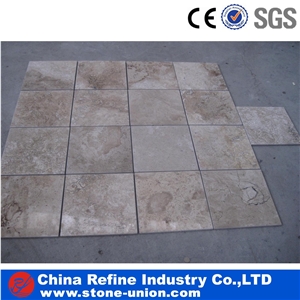
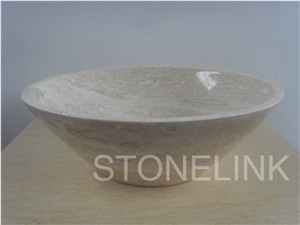
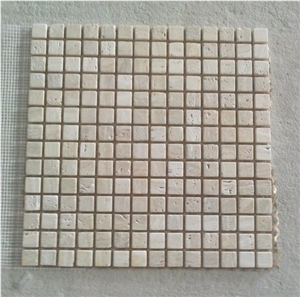
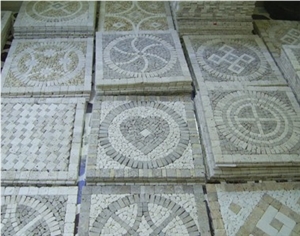
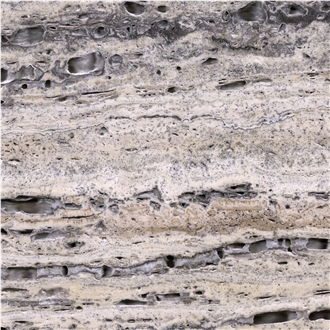
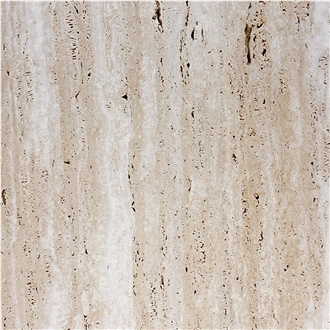
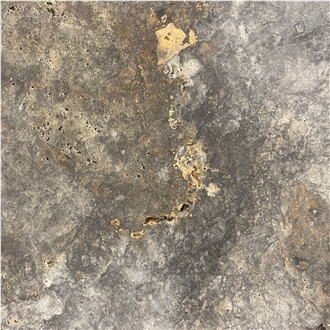
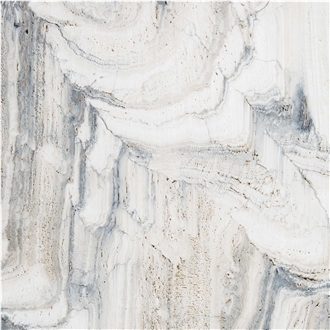
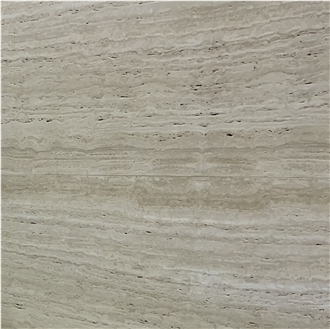
Quarried in Turkey, a country renowned for high-quality natural stones, including various types of travertine.
Appearance & Texture
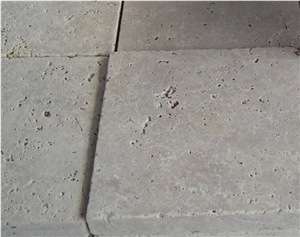
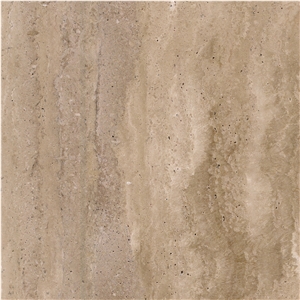
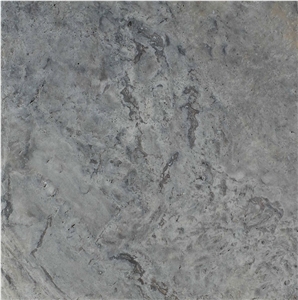
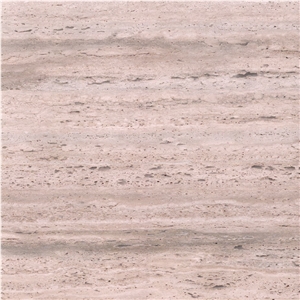
Color: Light creamy ivory-white base tone, offering a soft, warm, and elegant look.
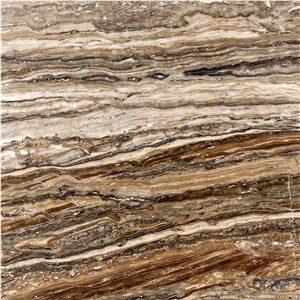
Veining: Slightly darker veins present, especially prominent on vein-cut slabs where the natural flow and linearity of the stone’s fossil and sediment layers become more visible.
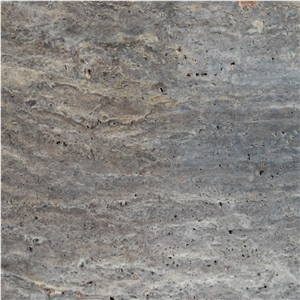
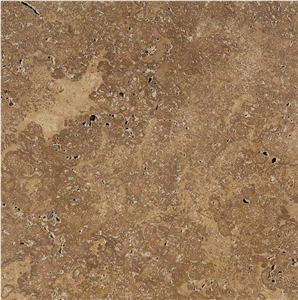
Texture: Porous and fibrous typical travertine texture, with natural holes and voids. These can be filled or left natural depending on the finish required.
Pattern: Linear, layered, and rhythmic veins consistent with travertine formed in sedimentary environments. Vein-cut slabs reveal more elongated and pronounced vein patterns compared to cross-cut (or block-cut) slabs.
Physical & Mechanical Properties
- Compressive Strength: ~ 90 - 110MPa
- Water Absorption: ~ 2 - 5% by weight
- Density: ~ 2.58 - 2.63g/cm³
- Mohs Hardness: 3 - 4(relative scale)
- Flexural Strength: ~ 10 - 15 MPa
Note: Exact test results may vary slightly by quarry and batch.
Chemical & Mineral Composition
(approximate % by weight)
- Calcium Carbonate (CaCO3): 80 - 95%
- Silica (SiO2): 1 - 3%
- Iron Oxides (Fe2O3): 0.5 - 1.5%
- Clay Minerals: 1 - 5%
- Organic Matter: Trace
- Other Minerals: Trace
The high calcium carbonate content defines travertine's calcitic nature.
Usage
- Interior and exterior flooring
- Wall cladding and facades
- Bathroom surfaces (walls, shower surrounds)
- Fireplace surrounds
- Countertops and vanity tops (with appropriate sealing)
- Garden pathways and patios
- Stairs and risers
The light color and elegant veining make it suitable for classic and contemporary architectural designs.
Maintenance
Requires sealing to protect against staining and moisture absorption due to its porous nature. Clean with pH-neutral stone cleaners; avoid acidic or abrasive cleaners which can etch or dull the surface. Periodic resealing recommended every 1-2 years, depending on exposure and use. Regular dusting or sweeping to prevent dirt accumulation. For outdoor use, ensure proper drainage and protection from freeze-thaw cycles to avoid damage.
Cutting Sizes (Typical)
Slabs: Usually available in 2 cm and 3 cm thicknesses.
Standard slab dimensions: approximately 240-320 cm length x 120-180 cm height (varies by block).
Tiles: Common sizes include 30x30 cm, 40x40 cm, 60x60 cm, and custom cuts available on request.
Surface Finish Options
Polished: High-gloss finish that enhances color and veining, but requires more maintenance.
Honed: Matte or satin finish with low sheen, reduces slipperiness and hides scratches better.
Tumbled: Textured, aged appearance with softened edges, ideal for rustic or antique looks.
Brushed: Slightly textured surface with a natural look, offering slip resistance.
Filled: Natural holes and voids filled with resin or cement (can be pigmented) to create a smoother surface for flooring or countertops.


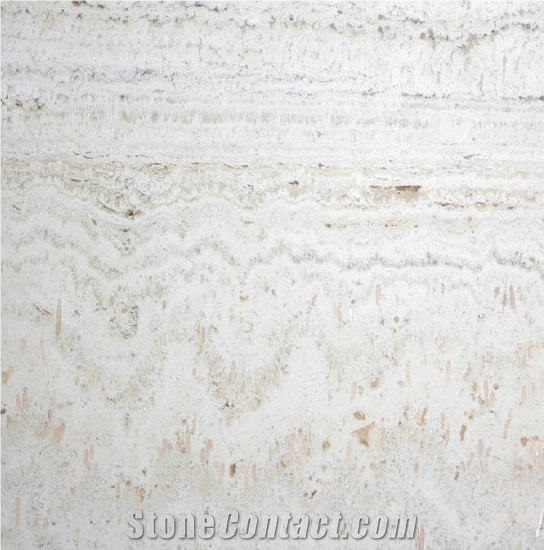
 Turkey