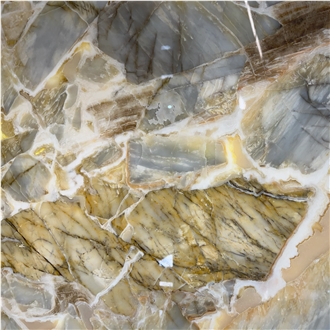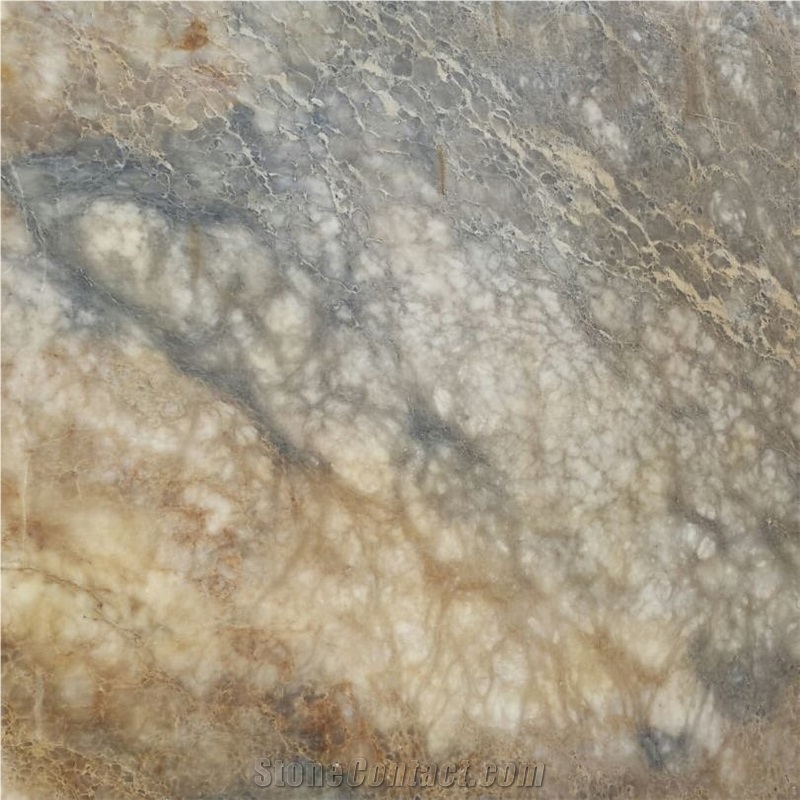
 Egypt
Egypt Can Egypt's Ghost Onyx be used exterior applications in cold climates?
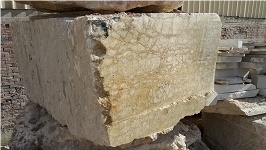
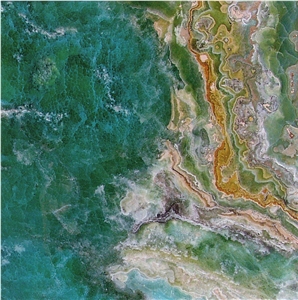
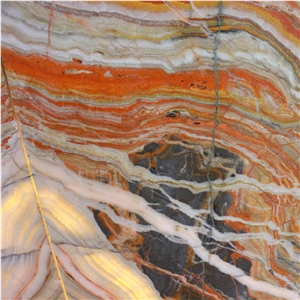
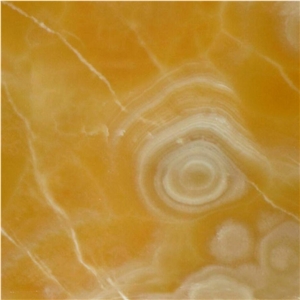
The Ghost Onyx is a type of marble commonly found in Egypt. While it is typically used for interior applications such as flooring, countertops, and wall cladding, it can also be used for certain exterior applications in cold climates.
Marble, including the Ghost Onyx, is a natural stone that can be affected by extreme weather conditions, such as freezing temperatures. When water seeps into the stone and freezes, it can cause cracks and damage. Therefore, it is important to consider certain factors before using Ghost Onyx in cold climates:
1. Freeze-Thaw Resistance: Ensure that the specific Ghost Onyx variety you are considering has good freeze-thaw resistance. Some marbles are more durable and less likely to suffer damage from freezing and thawing cycles.
2. Finish Selection: The type of finish applied to the marble surface can impact its ability to withstand outdoor exposure. Polished surfaces, for example, may be more susceptible to damage from freezing temperatures than honed or textured finishes.
3. Sealing and Maintenance: Regular sealing and maintenance of the stone can help enhance its durability and protect it from weather-related damage. Adequate protection and preventive measures should be taken to mitigate any potential risks.
4. Application Consideration: While Ghost Onyx can be used for exterior applications like cladding on building facades or decorative outdoor features, it is important to ensure proper installation and design. The stone should be properly installed with appropriate methods and materials to minimize any potential issues.
It is recommended to consult with a professional in the stone industry or a knowledgeable architect to assess the suitability of Ghost Onyx for exterior applications in your specific cold climate and to determine the best practices for installation and maintenance.