Post Your Needs

Chestnut Brown Granite

About

Material Type:
Granite
Origin:
India (Karimnagar, Andhra Pradesh)
Primary Color(s):
Brown
Recommended Usage:
Kitchen and bathroom countertops, monuments, building stone, ornamental stone, stairs, interior, exterior wall and floor applications, mosaic, waterjet pattern, balustrades, fireplaces surround, columns, wall panels, table tops
Additional Names:
Casper Brown Granite, Elite Brown Granite, Tan Brown Granite, Chestnut Dark Brown Granite, Chestnut Brown Granite, Chestnut Brown Granite
Finished Surface:
Polished,Flamed,Bush Hammered,Tumbled,Brushed,Honed,Split,Machine Cut,Natural Surface,Sandblasted,Acid Washing,Combed,Leathered,Water Jet,Filled,Chiseled,Pickling

Testing

Water Absorption:
0.03 %
Density:
2694 kg/m³
Flexural Strength:
25.41 MPa
Compressive Strength:
121.0 MPa

Description

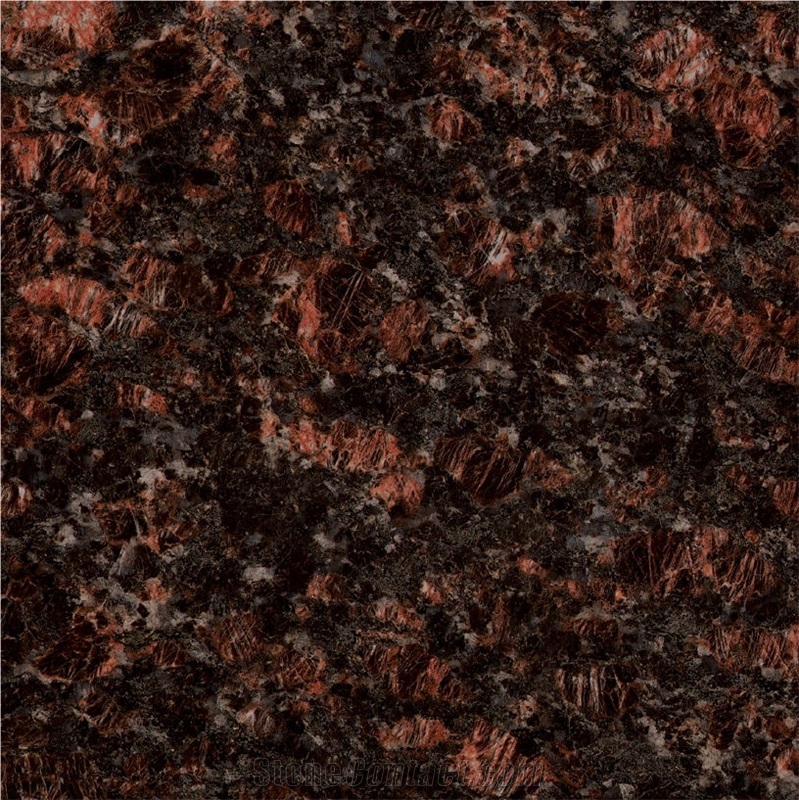
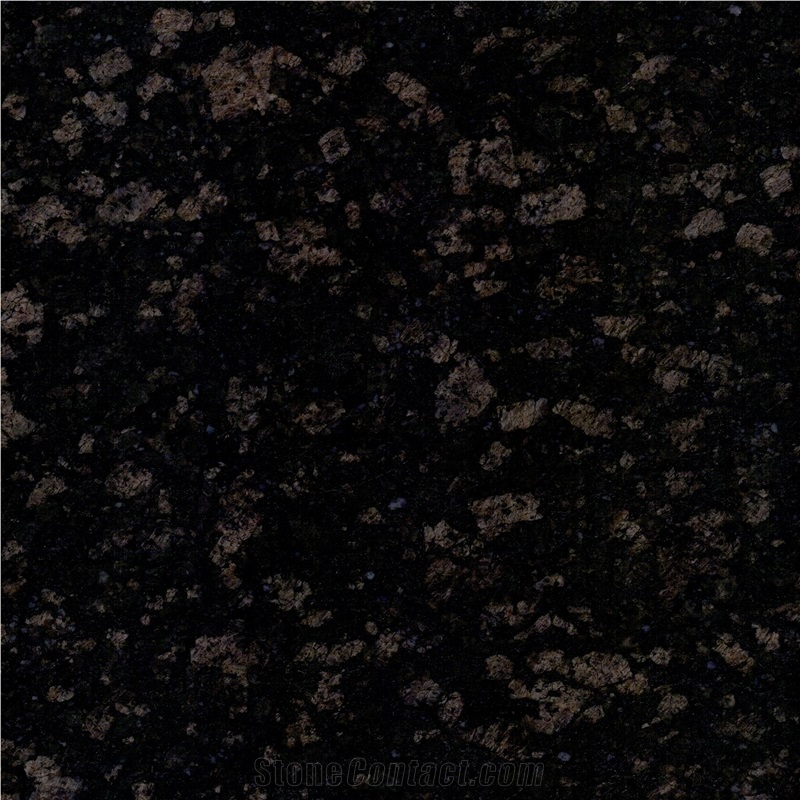
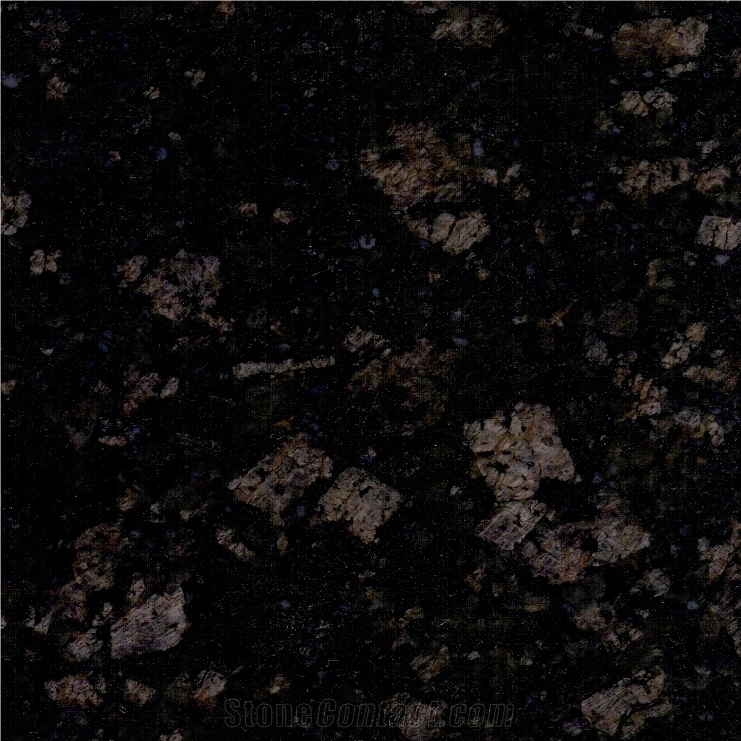
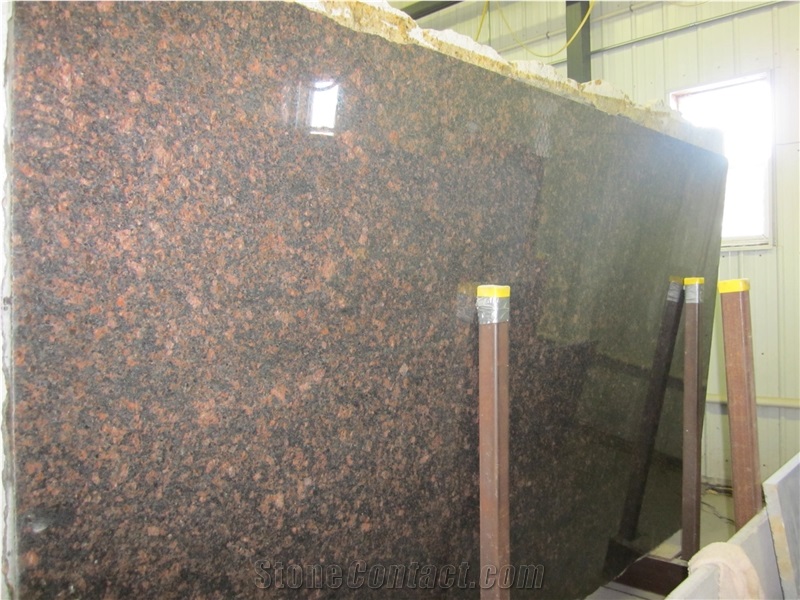
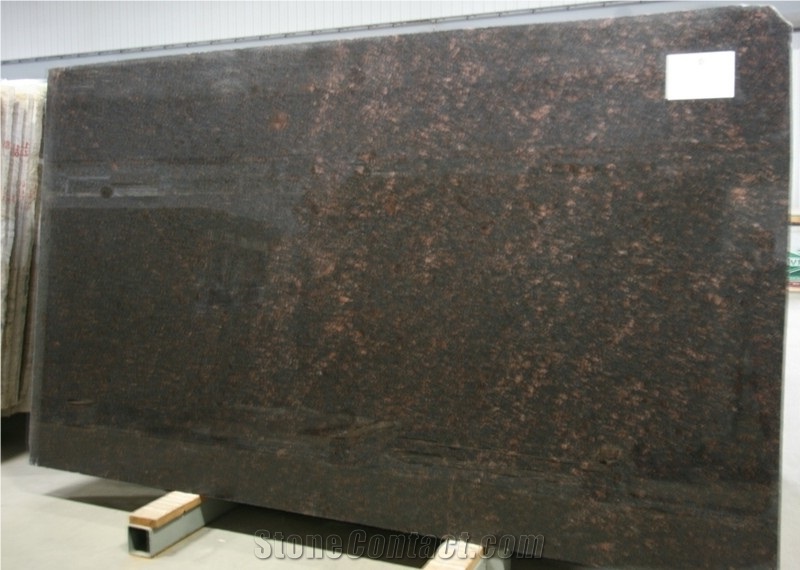
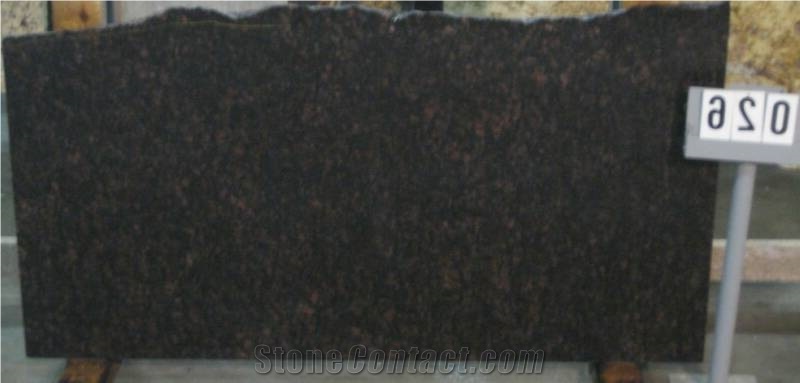
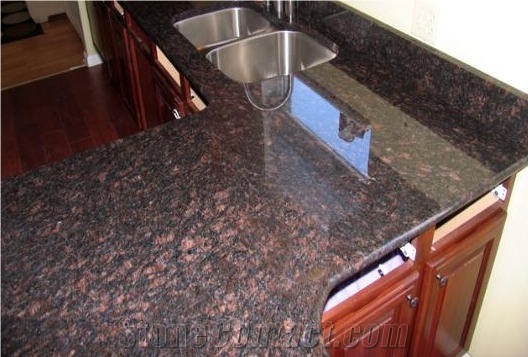
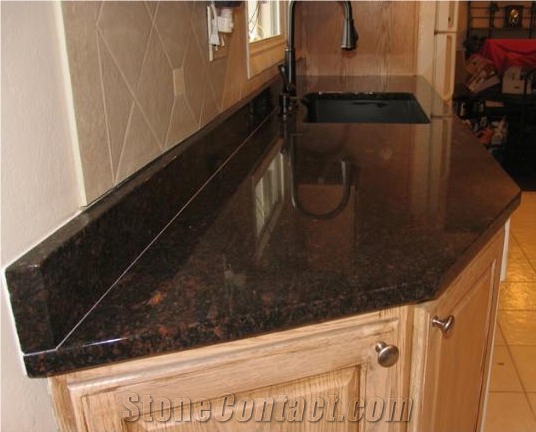
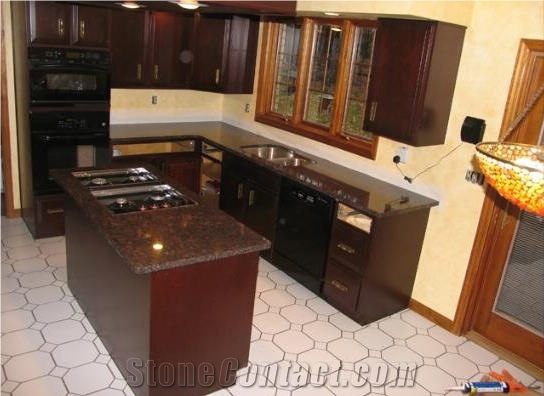
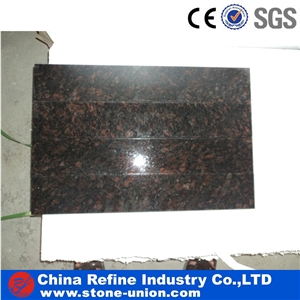
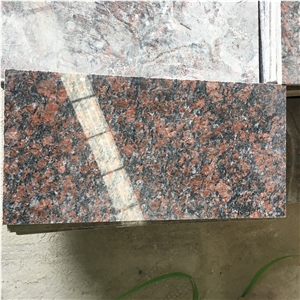
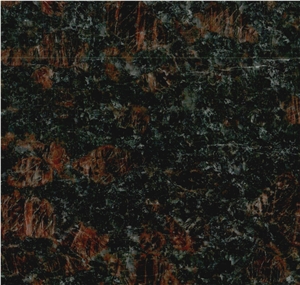
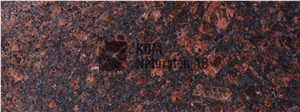
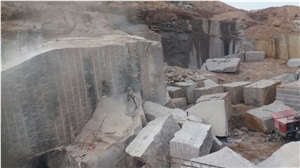
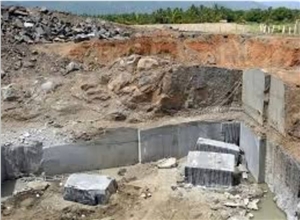
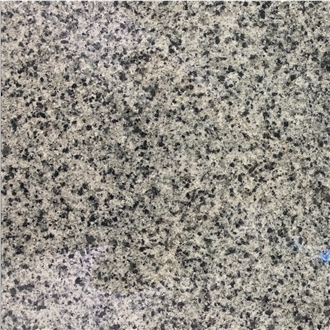
Chestnut Brown Granite, also known as Tan Brown Granite, is a captivating natural stone quarried in the Karimnagar region of Andhra Pradesh, India. This granite is highly admired for its rich and warm color palette, featuring a mix of dark brown, black, and grey flecks, along with striking red-brown garnet inclusions.

The dominant color of Chestnut Brown Granite is a deep and luxurious dark brown, which gives the stone its chestnut-like appearance. The dark brown hue provides a sense of depth and sophistication, making it an excellent choice for creating a cozy and inviting ambiance in any space.

The granite's background is adorned with beautiful flecks of black and grey, adding depth and interest to the overall look. These contrasting flecks create a dynamic visual effect and enhance the granite's natural beauty.

One of the standout features of Chestnut Brown Granite is the presence of red-brown garnet inclusions. Garnets are semi-precious gemstones known for their deep red colors, and their presence in the granite adds a touch of luxury and elegance to the stone. These red-brown garnets often appear as small, sparkling specks throughout the slab, creating a captivating and unique pattern.

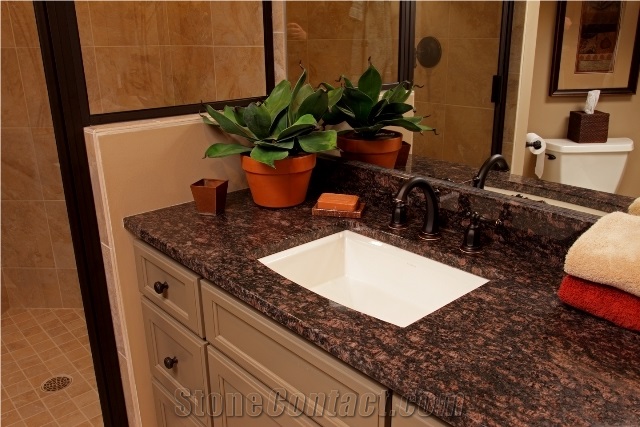
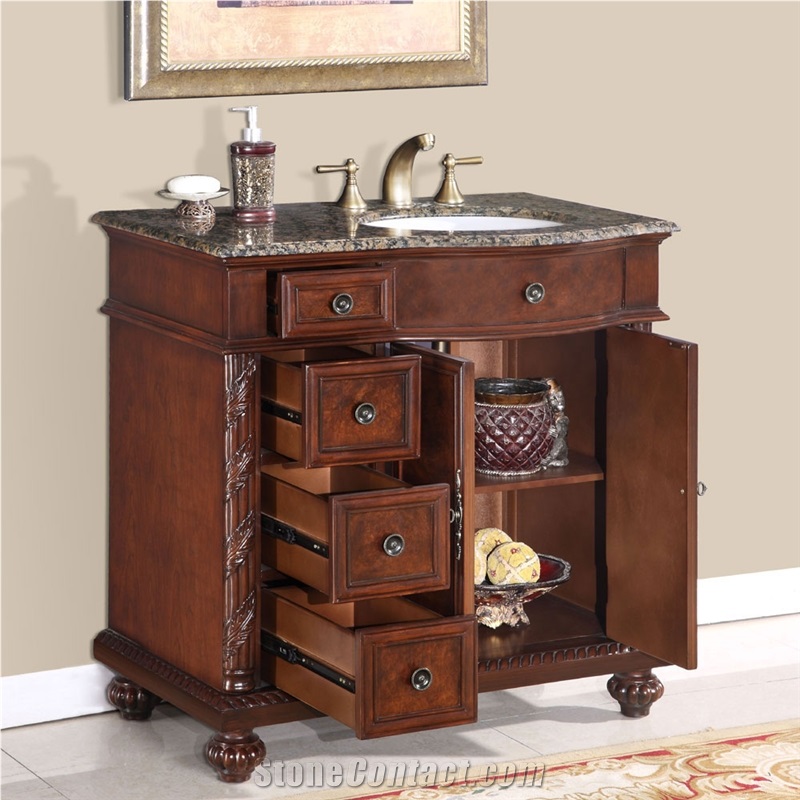
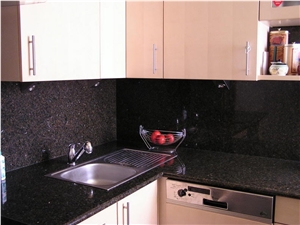
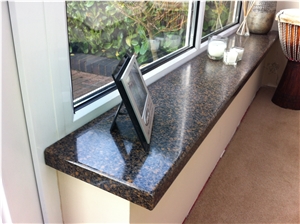
Due to its exceptional aesthetics and durability, Chestnut Brown Granite is a popular choice for a wide range of interior and exterior applications. It is commonly used for countertops, flooring, wall cladding, and decorative elements in both residential and commercial projects. Its warm and inviting color palette makes it a versatile and sought-after material.

The granite's origin in the Karimnagar region of India contributes to its unique appearance and quality. As with any natural stone, variations in color and pattern are inherent, making each slab of Chestnut Brown Granite distinct and one-of-a-kind.

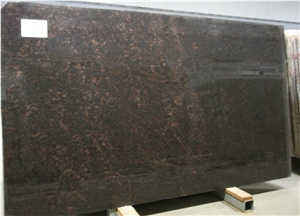
For those considering Chestnut Brown Granite for their projects, it is advisable to view actual samples or slabs to appreciate the full beauty and depth of its colors and garnet inclusions. Working with experienced stone suppliers or professionals can help ensure you select the perfect slab that aligns with your design vision and enhances the beauty of your space with this captivating granite.

FAQ

What do I use for leathered Chestnut Brown Granite countertop cleaning?

To clean a leathered Chestnut Brown Granite countertop, you can use the following materials: 1. Mild dish soap: Mix a small amount of mild dish soap with warm water in a spray bottle. 2. Soft cloth or sponge: Use a soft, non-abrasive cloth or sponge for cleaning the surface. 3. pH-neutral stone cleaner: You can also use a pH-neutral stone cleaner specifically designed for granite surfaces. Be sure to follow the instructions provided by the manufacturer. 4. Warm water: Use warm water to rinse off the countertop after cleaning. 5. Microfiber cloth: Use a microfiber cloth to dry the countertop after rinsing. Avoid using harsh chemicals, abrasive cleaners, vinegar, or lemon juice, as these can damage the leathered finish and the granite surface.
Read question details

What is a leathered finish on Chestnut Brown Granite slab?

A leathered finish on a Chestnut Brown Granite slab refers to a textured surface finish achieved by brushing and tumbling the stone. This process creates a slightly rough and matte appearance, giving the granite a leather-like texture and enhancing its natural color and patterns. The leathered finish is popular for countertops, as it provides a unique and more rustic look compared to polished or honed finishes.
Read question details

How does Chestnut Brown Granite get leathered finish?

Chestnut Brown Granite can be given a leathered finish through a process called leathering, which involves several steps: 1. Preparing the granite: The surface of the granite is thoroughly cleaned to remove any dirt, dust, or residues. It may also be polished initially to create a smooth surface. 2. Applying the leathering compound: A specially formulated chemical compound is applied to the surface of the granite. This compound typically contains small abrasive particles or diamond dust suspended in a liquid. It helps to create a textured look on the granite. 3. Abrasive brushing: A series of brushes or abrasive pads are used to brush the compound onto the granite surface. These brushes or pads can be made of materials like steel or synthetic fibers. The brushing action helps to create a textured finish by removing a small amount of material from the surface. 4. Repeating the process: The brushing process is repeated several times, using brushes or pads with different coarseness. Each successive pass refines the texture further. 5. Cleaning and sealing: Once the desired leathered finish is achieved, the granite surface is thoroughly cleaned to remove any remaining residue. A quality sealer may then be applied to protect the granite from staining and make it easier to clean. Its important to note that the exact process may vary depending on the specific granite and the preferences of the fabricator or installer. Additionally, leathering can alter the appearance of the granite, making it slightly darker and giving it a rich, tactile texture.
Read question details

Does Chestnut Brown Granite countertop scratch easily?

Chestnut Brown Granite countertop is generally a durable and hard material, which means it is resistant to scratches. However, the susceptibility to scratches can vary depending on the specific type of granite and its finish. It is always recommended to use cutting boards and avoid dragging heavy or sharp objects directly on the surface to prevent scratches.
Read question details

Does Chestnut Brown Granite stain permanently?

Chestnut Brown Granite is generally known for its stain resistance and relatively low porosity. However, it is still possible for the granite to stain if spills or substances are left on the surface for an extended period of time. While some stains may be able to be removed with proper cleaning and maintenance, others may set in and become permanent if not addressed promptly. Regular sealing and properly cleaning spills can help prevent stains on Chestnut Brown Granite.
Read question details

How thick is Chestnut Brown Granite for fireplace?

The thickness of Chestnut Brown Granite for a fireplace can vary depending on personal preference and the specific installation. Generally, granite slabs for fireplace surrounds and hearths are typically 3 centimeters or 1.25 inches thick. However, it is recommended to consult with a professional installer or supplier for an accurate measurement and recommendation for your specific fireplace.
Read question details

Is Chestnut Brown Granite OK for a fireplace hearth?

Yes, Chestnut Brown Granite can be a great choice for a fireplace hearth. It is a durable and heat-resistant natural stone that can withstand the high temperatures of a fireplace. Additionally, the warm and earthy tones of Chestnut Brown Granite can add a beautiful and elegant touch to your fireplace surround.
Read question details

Will Chestnut Brown Granite fireplace crack under heat?

Chestnut Brown Granite is known for its durability and resistance to heat, making it a suitable material for a fireplace surround. However, it is always important to take proper care and precautions to avoid damage. Excessive and sudden temperature changes can potentially cause any stone, including granite, to crack. It is recommended to avoid directly exposing the granite to extreme heat, such as placing hot objects directly on the surface or subjecting it to rapid temperature changes. Additionally, using a fireplace screen or barrier can help protect the stone from direct exposure to heat. Overall, with proper care and maintenance, Chestnut Brown Granite should not crack under normal fireplace usage.
Read question details

Is Chestnut Brown Granite good for fireplaces?

Chestnut Brown Granite can be a great choice for fireplaces. It is a durable and heat-resistant material, making it suitable for use around fireplaces and other high-temperature areas. In addition, the warm brown color and natural variations in the stone can add a beautiful and timeless look to the fireplace. However, it is always advisable to consult with a professional before making any final decisions to ensure that the specific type of granite is suitable for your fireplace needs and meets all safety requirements.
Read question details

Does Chestnut Brown Granite withstand heat?

Yes, Chestnut Brown Granite is known for its heat resistance properties. It is a natural stone that can withstand high temperatures, making it suitable for use in kitchen countertops or around fireplaces. However, it is always a good practice to use trivets or heat-resistant pads for placing hot pans or pots to prevent any potential damage or discoloration to the surface.
Read question details

Products & Prices

Hot Granite

New Granite

Post Your Request

The request includes:
  1. surface finished, size
  2. quantity required