Post Your Needs

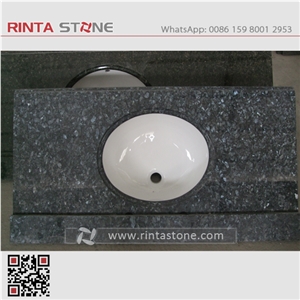
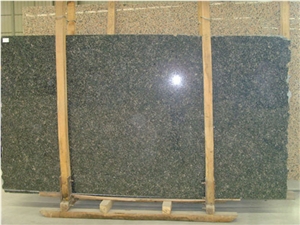
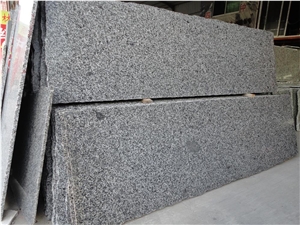
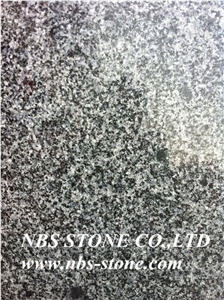
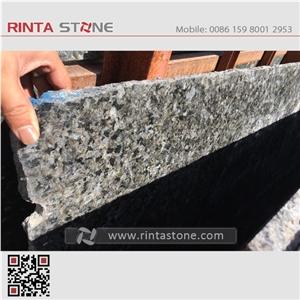
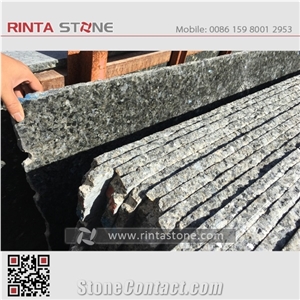
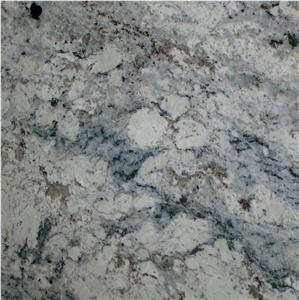
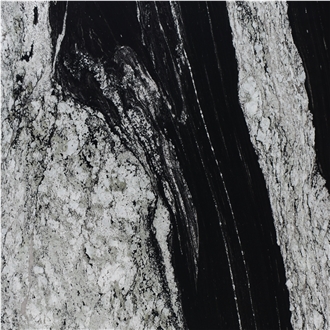
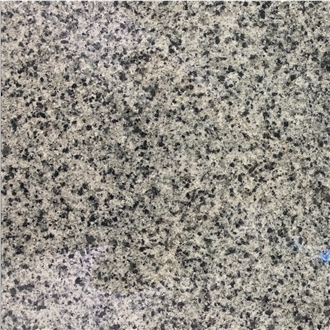
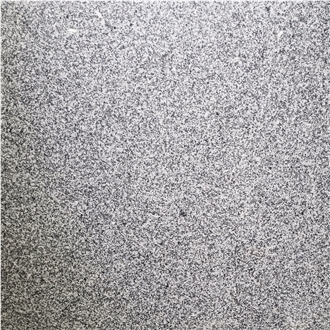
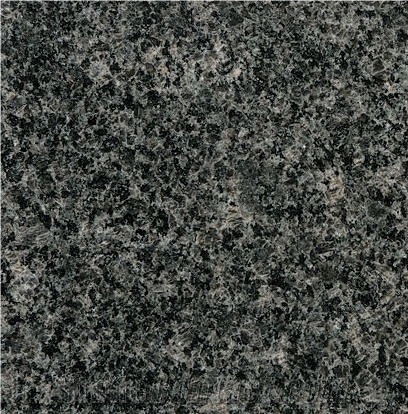
Atlantic Blue Granite

About

Material Type:
Granite
Origin:
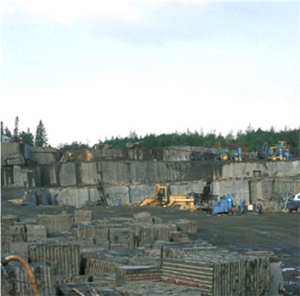
Canada (Rivière-à-Pierre, Québec)
Primary Color(s):
Blue
Recommended Usage:
Exterior - Interior wall and floor applications, coluntertops, mosaic, fountains, pool and wall capping, stairs, window sills
Additional Names:
Blue Atlantic Granite, Atlantic Blue Granite
Finished Surface:
Polished, Sawn Cut, Sanded, Rockfaced, Sandblasted, Tumbled

Testing

Water Absorption:
0.16 By weight %
Density:
169.8 lb. / ft3
Flexural Strength:
1 585 psi
Compressive Strength:
21 965 psi

Description

ASTM C97  Absorption by weight  0,16 %
ASTM C97  Density  169.8 lb. / ft3
ASTM C170  Compressive strength  21 965 psi
ASTM C99  Modulus of rupture  1 860 psi
ASTM C880  Flexural strength  1 585 psi

FAQ

How can I remove mold from Atlantic Blue Granite wall tiles?

To remove mold from Atlantic Blue Granite wall tiles, you can use a mixture of equal parts water and white vinegar. Apply the solution to the affected areas and let it sit for about 15 minutes before scrubbing with a soft brush or sponge. Rinse the tiles thoroughly with clean water and allow them to dry completely. Another option is to use a commercial mold and mildew remover specifically designed for use on stone surfaces. Follow the instructions on the product packaging carefully to ensure safe and effective removal of the mold. Its important to also identify and address any underlying causes of mold growth, such as poor ventilation or excess moisture in the room, to prevent future mold growth on your granite tiles. Regular cleaning and maintenance of your tiles can also help prevent mold and keep your tiles looking their best.
Read question details

Does Atlantic Blue Granite mosaic need to be sealed?

Yes, Atlantic Blue Granite mosaic should be sealed to protect it from stains and other damage. Sealing the granite mosaic will help to prevent liquids from penetrating the surface and causing discoloration or other harm. It is recommended to seal the granite mosaic regularly to maintain its appearance and durability.
Read question details

How can I clean Atlantic Blue Granite wall mosaic tiles?

To clean Atlantic Blue Granite wall mosaic tiles, you can follow these steps: 1. Start by removing any debris or dirt from the tiles by using a soft brush or vacuum cleaner. 2. Mix a solution of warm water and mild dish soap or a pH-neutral stone cleaner. Avoid using harsh chemicals or acidic cleaners as they can damage the granite. 3. Use a soft cloth or sponge to gently scrub the tiles with the cleaning solution. Make sure to focus on any stained or heavily soiled areas. 4. Rinse the tiles thoroughly with clean water to remove any soap residue. 5. Dry the tiles with a clean, dry towel or cloth to prevent water spots and streaks. 6. For stubborn stains or grime, you can create a paste of baking soda and water and apply it to the affected area. Let it sit for a few minutes before scrubbing and rinsing. 7. Avoid using abrasive scrubbers or brushes that can scratch the surface of the granite. 8. To maintain the shine and luster of the tiles, you can polish them with a granite sealer or polish specifically designed for use on granite surfaces. By following these steps, you can effectively clean and maintain your Atlantic Blue Granite wall mosaic tiles, keeping them looking beautiful for years to come.
Read question details

How can I clean the grout of Atlantic Blue Granite wall tiles?

To clean the grout of Atlantic Blue Granite wall tiles, you can follow these steps: 1. Firstly, mix a solution of warm water and mild dish soap in a bucket. 2. Use a grout brush or scrubbing brush to apply the solution to the grout lines. 3. Let the solution sit for a few minutes to penetrate and loosen any dirt or grime. 4. Scrub the grout lines with the brush to remove any stains or build-up. 5. Rinse the grout thoroughly with clean water to remove any soap residue. 6. For tougher stains, you can also try using a mixture of baking soda and water or a commercial grout cleaner. 7. Once the grout is clean, dry it thoroughly with a clean towel or cloth to prevent water spots or mildew growth. 8. For ongoing maintenance, regularly clean the grout with a mild solution of water and vinegar to prevent build-up and keep the grout looking clean and fresh.
Read question details

I have a Atlantic Blue Granite tabletop with a vein that looks broken. Should I glue it?

It is not recommended to glue a broken vein on a natural granite tabletop. Gluing may not fully repair the vein and could potentially make the issue worse. It is best to consult with a professional granite repair specialist to determine the best course of action for repairing the broken vein on your tabletop.
Read question details

How can I give Atlantic Blue Granite tiles an antique look?

One way to give Atlantic Blue Granite tiles an antique look is by using a process called distressing. This involves artificially aging the tiles by creating surface imperfections and discolorations to mimic the natural wear and tear that occurs over time. Some techniques to achieve this antique look include: 1. Sandblasting: Use a sandblaster to create a weathered and textured surface on the tiles. 2. Acid washing: Apply a diluted acid solution to the tiles to etch the surface and create a mottled appearance. 3. Staining: Use a specialized stain or dye to darken and add depth to the color of the tiles. 4. Brushing: Use a wire brush to create scratches and scuffs on the surface of the tiles. It is important to test these techniques on a small, inconspicuous area of the tiles before applying them to the entire surface to ensure that you achieve the desired antique look. Additionally, be sure to seal the tiles with an appropriate sealant after distressing to protect them and maintain their appearance.
Read question details

How can I restore the appearance of Atlantic Blue Granite floors to make them look new again?

To restore the appearance of Atlantic Blue Granite floors and make them look new again, you can follow these steps: 1. Clean the floors thoroughly: Start by sweeping or vacuuming the floors to remove any dust, dirt, and debris. Then, mop the floors with a mild detergent or stone cleaner to remove any surface stains or grime. Make sure to rinse the floors thoroughly with clean water to remove any soap residue. 2. Polish the floors: Use a granite polishing compound to buff the floors and restore their shine. Apply the polish according to the manufacturers instructions, using a clean microfiber cloth or buffing pad to work the product into the stone. 3. Seal the floors: Apply a high-quality granite sealer to protect the floors from future stains and damage. Follow the manufacturers instructions for application and allow the sealer to dry completely before walking on the floors. 4. Repair any damaged areas: If the floors have any scratches, cracks, or chips, you can use a granite repair kit to fix these imperfections. Follow the kits instructions for repairing the damage and allow the repairs to dry before proceeding with the cleaning and polishing process. By following these steps, you can restore the appearance of your Atlantic Blue Granite floors and make them look new again. Remember to regularly clean and seal the floors to maintain their beauty and durability. If you are unsure about any step of the restoration process, it is recommended to consult with a professional stone restoration specialist for assistance.
Read question details

Can Atlantic Blue Granite be used for stair steps?

Yes, Atlantic Blue Granite can be used for stair steps. Granite is a durable and long-lasting material that is commonly used for stair treads in commercial and residential buildings. Atlantic Blue Granite, with its beautiful blue and gray tones, can provide a striking and elegant appearance for stair steps. Its hardness and resistance to wear and tear make it an ideal choice for high-traffic areas such as staircases. Additionally, granite is easy to clean and maintain, making it a practical option for stair steps.
Read question details

Do fruit juices stain the surface of Atlantic Blue Granite countertop?

Fruit juices can potentially stain the surface of Atlantic Blue Granite countertops if not cleaned up quickly. The acidic nature of fruits can cause discoloration and etching on the surface of the granite if left unattended for an extended period of time. It is recommended to immediately wipe up any spills and clean the surface with a mild soap and water solution to prevent staining and maintain the beauty of the countertop.
Read question details

Is 3cm thick Atlantic Blue Granite durable enough for use as walkway pavers?

Yes, 3cm thick Atlantic Blue Granite would be durable enough for use as walkway pavers. Granite is a very hard and durable natural stone that can withstand foot traffic and the outdoor elements. A thickness of 3cm would provide sufficient strength and durability for use as walkway pavers. Just make sure they are properly installed and maintained to ensure longevity and a safe walking surface.
Read question details

Products & Prices

Hot Granite

New Granite

Post Your Request

The request includes:
  1. surface finished, size
  2. quantity required